
Back to blog
Article
Mobile Toilets on Construction Sites in Huaian
Admin October 11, 2026
It is highly necessary to use mobile toilets on construction sites in Huaian, and multiple factors need to be considered when choosing them.
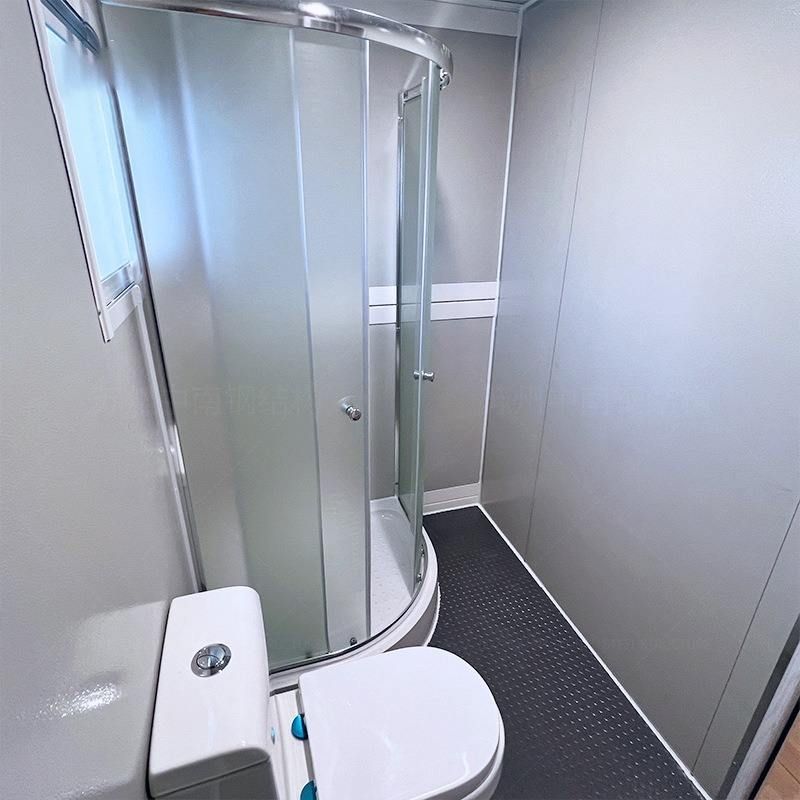
The Necessity of Mobile Toilets on Construction Sites in Huaian
- Enhancing Construction Efficiency and Humanized Management: Construction workers on the site have high labor intensity. Convenient and hygienic mobile toilets can reduce the working hours wasted by workers looking for toilets, reflecting respect for the basic rights and interests of laborers and helping to maintain team stability and work enthusiasm.
- Ensuring On-site Hygiene and Personnel Health: The construction site environment is complex, and the lack of sanitation facilities or poor management can easily lead to environmental pollution and health hazards. Qualified mobile toilets have feces collection and treatment functions, which can effectively isolate pollutants, prevent the breeding of mosquitoes and flies, reduce the risk of disease transmission, and create a healthier working environment for workers.
- Complying with Environmental Protection and Sustainable Development Requirements: Modern mobile toilets mostly adopt water-saving or flush-free designs and are equipped with professional collection and subsequent treatment services, avoiding the pollution of soil and surrounding water bodies caused by the random discharge of sewage. Their reusable and recyclable characteristics also reduce resource consumption, in line with the concept of green construction.
- Adapting to the Dynamic Changes in Construction Sites: During the construction project cycle, the construction area and the number of workers may change frequently. Mobile toilets have the advantages of rapid deployment and flexible adjustment of location and quantity, enabling them to adapt to such dynamic changes and ensuring that facility coverage always meets actual needs.
Key Points for Choosing the Right Mobile Toilet
- Type and Function Selection: Basic models are cost-effective and suitable for short-term or small construction sites; composite models enhance user comfort; large modular toilets are suitable for large, long-term projects with a large number of personnel; special-function models such as freeze-proof and environmentally friendly ones can meet specific needs.
- Quantity and Layout Planning: The number of toilet stalls needs to be scientifically calculated based on the peak number of workers on the site to ensure a balance between supply and demand. The layout should follow the principle of being easily accessible, relatively concealed, and not affecting construction. It should be set up near the living area and main work area, avoiding material storage areas, heavy machinery access routes, and potential hazard areas, and taking wind direction into account.
- Hygiene Maintenance and Waste Removal Services: The effectiveness of mobile toilets depends on continuous cleaning and maintenance, including regular internal cleaning, disinfection, replenishment of consumables, and timely removal of fecal waste.
Related



