
Back to blog
Article
How to Weld a Mobile Toilet by Yourself
Admin September 28, 2026
You can weld a mobile toilet by following these steps, strictly adhering to process specifications and safety requirements:
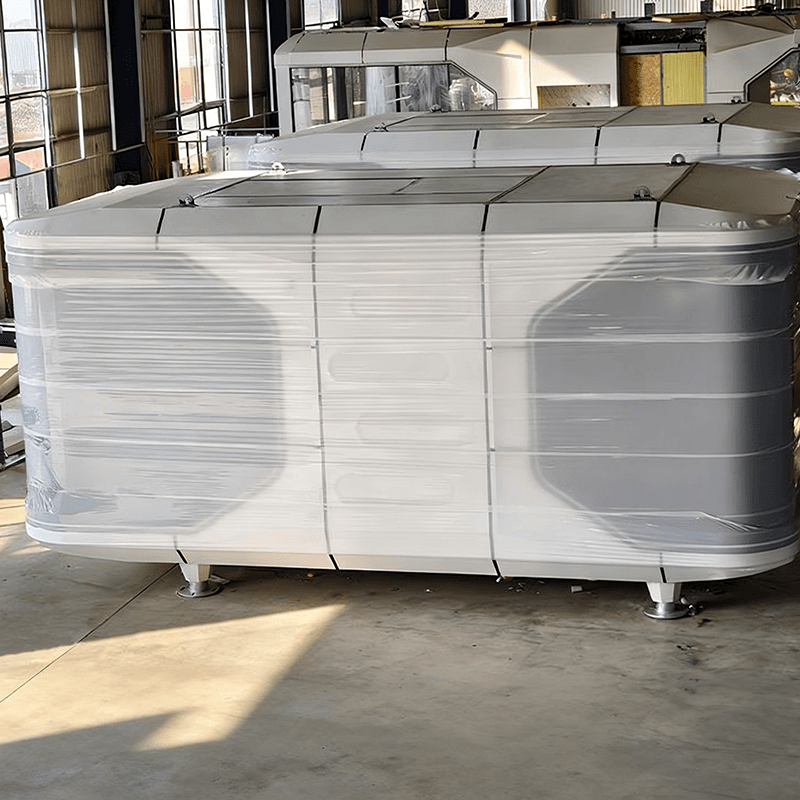
I. Pre-assembly Preparation
- Tools and Materials: Prepare tools such as a welding machine, cutting machine, and wrench, as well as materials including stainless steel plates (or galvanized steel pipes), water pipes, electrical wires, toilets, water tanks, faucets, light bulbs, and switches. Stainless steel is highly corrosion-resistant and suitable for outdoor environments; if galvanized steel pipes are used, they should be coated with anti-rust paint to extend their lifespan.
- Design Planning: Determine the toilet structure based on usage needs (single unit, multi-unit connected, or modular combination). A single unit is recommended to be 1-2 square meters in area and should include basic functions such as ventilation windows, lighting, and sewage disposal. The design should comply with the 'Urban Public Toilet Design Standard' (CJJ 14-2016) to ensure adequate ventilation, lighting, and odor control.
II. Specific Assembly Steps
- Cutting Plates: Cut the stainless steel plates into four identical rectangles for the walls, with one rectangle cut into a smaller rectangle for the door panel and another with an upper window opening; also cut the floor, ceiling, and sewage tank interlayer structure. Ensure precise cutting dimensions to avoid misalignment during subsequent welding.
- Welding the External Structure: Use manual arc welding or gas shielded welding to weld the plates into a frame, focusing on reinforcing the corners and load-bearing parts. After welding, check the tightness of the connections to prevent water leakage or structural loosening.
- Installing Doors, Windows, and Sanitary Fixtures: Install locks and hinges on the door panel, embed glass in the windows and seal them; align the toilet with the sewage outlet, place the sewage tank in the floor interlayer and cover it; install the water tank in the top space and connect the faucet to the water pipe. Ensure the sanitary fixtures are securely fixed to prevent movement during use.
- Water, Electricity, and Exhaust Systems: Connect water pipes and electrical wires from the outside,合理安排接口位置 (arrange the interface positions reasonably); install light bulbs and sockets on the top, and reserve exhaust ports or install exhaust fans. Hide the water and electrical lines to prevent electric shock risks.
- Mobile Device and Inspection: Install wheels at the bottom of the floor for easy mobility; finally, check for loose welding points, smooth opening and closing of doors and windows, and normal functioning of water and electricity. Reserve space for replacing easily damaged parts such as seals and flush valves.
III. Key Considerations
- Environmental Protection and Safety: The septic tank should have anti-leakage capabilities, and sewage discharge should comply with local environmental protection standards; wear protective masks and gloves during welding to avoid burns from sparks.
- Maintenance and Upkeep: Regularly clean the interior of the toilet, check for rust on welding points and whether the wheels are stuck, and promptly replace seals and flush valves. For long-term outdoor use, apply anti-rust paint every six months.
- Compliance: If used in public places, it must pass inspections by health and environmental protection departments to ensure compliance with relevant regulations.



