
How to Waterproof Prefabricated Panel Houses
The following methods can be adopted for waterproofing prefabricated panel houses: First, deal with the gaps between the prefabricated panels, and then select appropriate waterproof materials for construction using the 'three-coating and two-pasting' process.
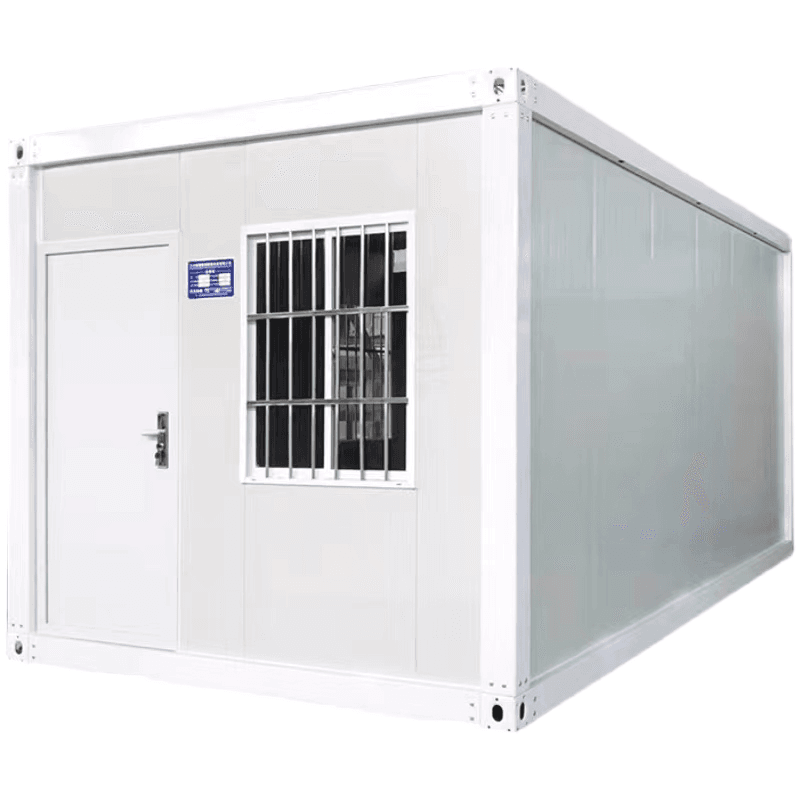
Step 1: Dealing with the Gaps between Prefabricated Panels
The key to waterproofing prefabricated panel houses lies in addressing the gaps between the panels. Since prefabricated panels are prefabricated components, there are inevitably gaps when they are joined together. If a waterproof layer is directly applied, water will penetrate through these gaps into the structural layer, causing the waterproofing to fail. Therefore, it is necessary to first pour a layer of concrete 5 to 8 centimeters thick on the surface of the prefabricated panels and lay steel wire mesh within the concrete. The function of the steel wire mesh is to enhance the crack resistance of the concrete, preventing cracks from forming due to temperature changes or structural settlement, which could create new water leakage channels. After the concrete is poured, it should be adequately cured to ensure that its strength meets the standard before proceeding to the next step of construction.
Step 2: Selecting Waterproof Materials and Processes
The waterproofing construction should follow the 'three-coating and two-pasting' process, which enhances the waterproofing effect through a composite structure of three layers of waterproof coating and two layers of waterproof membrane.
- Large-area waterproofing: Asphalt-based waterproof materials are preferred. Asphalt has strong adhesion and good weather resistance, making it suitable for large areas such as roofs. During construction, the first layer of asphalt coating should be applied first. After it dries, the first layer of felt (or fiberglass胎卷材) should be laid, and then the second layer of asphalt coating should be applied to fix the membrane. This process should be repeated to complete the 'three-coating and two-pasting'.
- Small-area waterproofing: JS composite waterproof coating or waterproof plugging agents can be used. JS coating is a composite of polymer emulsion and cement-based materials, combining flexibility and rigidity, making it suitable for details such as wall corners and around pipes. Waterproof plugging agents are used to quickly seal leakage points. They cure quickly and have strong adhesion, providing temporary emergency treatment.
Construction Precautions
- Base layer treatment: Before construction, thoroughly clean the dust and oil stains on the surface of the prefabricated panels to ensure that the concrete base layer is flat and dry, avoiding any impact on the adhesion of the waterproof materials.
- Node reinforcement: Areas prone to leakage, such as the junctions between the roof and walls and the drainage outlets, should be reinforced with additional layers. For example, when applying waterproof coating, apply one or two more coats in these areas, or lay double layers of membrane.
- Closed water test: After the waterproof layer is constructed, a 24-hour closed water test should be conducted to check for any leakage points. If any are found, they should be repaired promptly.
- Protective layer construction: After the waterproof layer passes the inspection, a layer of fine aggregate concrete protective layer should be poured on its surface to prevent damage to the waterproof layer during subsequent construction.
You may also like

Portable Toilet Used in 2026: Buying Guide & Recommendations
Read More
Portable Toilet Custom Explained: How to Choose the Right One
Read More
Top Portable Toilet Smart Manufacturers: How to Choose a Factory Partner
Read More