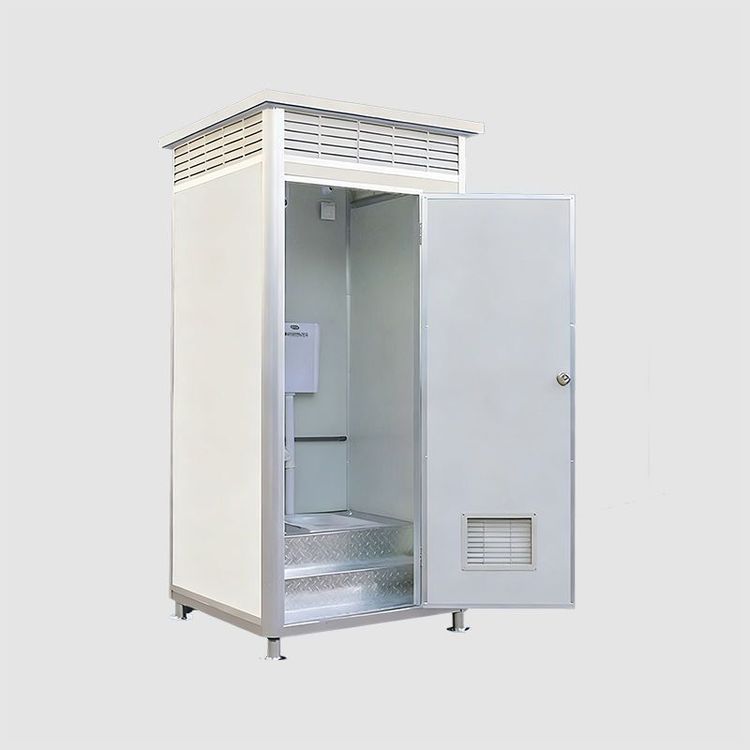
How to Use a Mobile Toilet
The use of a mobile toilet is generally quite simple, requiring no complex installation. Simply unpack it and place it on a stable surface to use. Here are the specific steps and precautions:

1. Choose an Appropriate Location and Place It
Mobile toilets are designed for flexibility and mobility. Before use, select a dry, well-ventilated area with a flat surface (such as a bedroom, living room, or balcony), avoiding slopes or soft ground. Some models come with anti-slip foot pads or support structures at the bottom; ensure they are in full contact with the ground to prevent sliding or tipping during use. If the model has wheels, lock them in place beforehand to avoid movement during use.
2. Adjust Height and Comfort
For special populations (such as pregnant women, the elderly, or those with mobility issues), some mobile toilets feature an elevated design (about 45cm) to reduce squatting pressure. No additional height adjustment is needed during use, but confirm that the weight capacity of the toilet seat matches the user's weight to avoid structural damage from overloading. If equipped with adjustable armrests or backrests, adjust the angles as needed to enhance comfort.
3. Normal Toilet Use
The usage process of a mobile toilet is basically the same as that of a regular toilet. Users should maintain balance and sit down slowly to avoid displacing the device with sudden force. There is no need to worry about waste disposal during use; most models have built-in waste collection buckets or are connected to external sewage pipes, depending on the product specifications. If it has a waste collection bucket, clean and disinfect it regularly to prevent odors.
4. Cleaning and Maintenance
After use, promptly clean any stains on the surface of the mobile toilet using a neutral cleaner to wipe the seat ring, shell, and other parts. If equipped with a removable inner bucket, empty the waste into designated disposal points (such as a toilet or septic tank) and rinse the bucket with water before drying. When not in use for an extended period, store the mobile toilet in a dry, well-ventilated area to prevent rusting of metal parts or aging of plastic parts due to moisture.
5. Safety Precautions
- Avoid vigorous shaking or jumping on the mobile toilet to prevent structural damage.
- Regularly check components such as anti-slip foot pads and wheel locks for looseness to ensure safety during use.
- If the user's weight exceeds the product's stated weight capacity, switch to a higher-specification model.
By following these steps, you can safely and conveniently use a mobile toilet to meet temporary or special-scenario toilet needs.