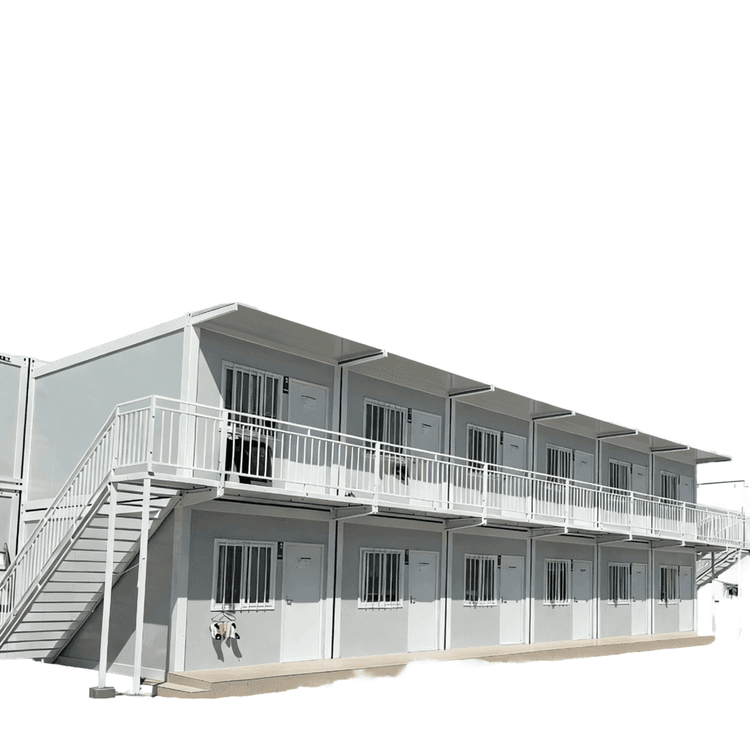
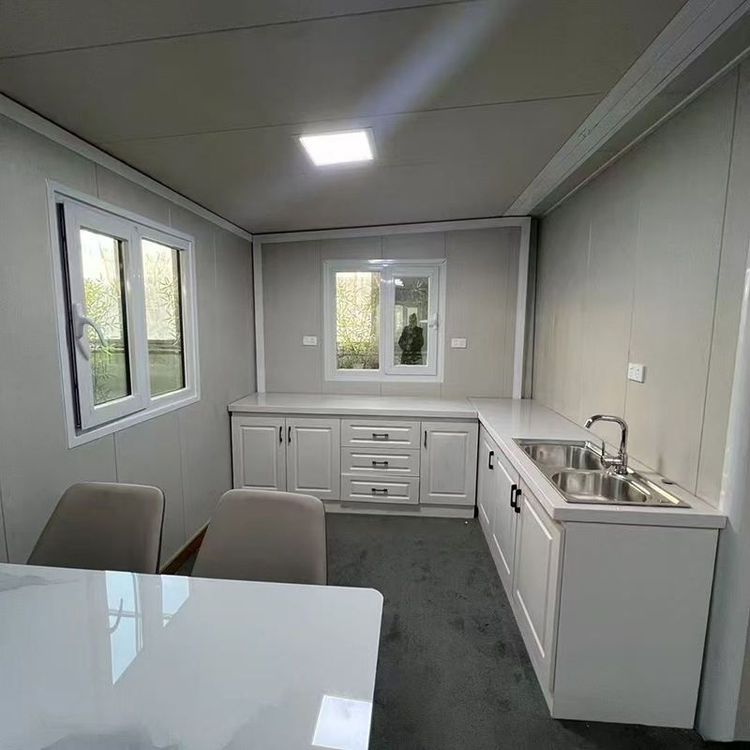
How to Thread Wires in Precast Concrete Houses
The following methods can be referred to for threading wires in precast concrete houses. It is necessary to select an appropriate method according to the structural characteristics of the house and strictly follow construction specifications:

I. Methods and Precautions for Concealed Wiring
Utilizing the Ceiling Space
In areas with suspended ceilings, wires can be arranged through the internal space of the ceiling. During construction, ensure that the wire conduits are firmly fixed to prevent wire displacement or abrasion due to vibration or gravity. Meanwhile, the wires should be wrapped with standard-compliant insulating materials to prevent the risk of electric leakage. Wires inside the ceiling should have an appropriate length reserved for easy maintenance and inspection in the later stage.Grooving in the Wall
This method is suitable for wire connections between different indoor areas, but strict adherence to structural safety principles is required:- Before Grooving: Identify the type of wall and avoid load-bearing walls, the connection areas between precast floor slabs and walls, and areas with dense steel bars. The structure can be detected by knocking on the wall to listen for sounds or using professional instruments.
- During Grooving: Use specialized tools to cut the grooves, keeping them vertical and flat. The depth should be determined according to the diameter of the wire conduit (usually 1.5 times the diameter of the conduit). Grooving in precast hollow floor slabs is strictly prohibited to avoid damaging the integrity of the floor slab.
- After Grooving: Promptly clean up the debris and repair the grooves with cement or specialized sealants. After drying, carry out wall repair (such as plastering and painting) to ensure aesthetics and waterproofing.
II. Specific Operation Procedures for Wiring
- Threading from Bottom to Top
Start from the ground floor of the house and thread the wires upward through the pre-embedded conduits, gradually connecting them to the target wire boxes (such as switch and socket boxes). When threading, use a pulling rope or a specialized wire threading device to avoid directly pulling the wires and causing damage to the insulation layer. - Concentrating at the Roof
If multiple wires need to be collected, a centralized wire box can be reserved on the roof, and all wires can be threaded into it and then distributed. This method is convenient for later maintenance, but the airtightness of the wire box must be ensured to prevent the entry of dust or moisture.
III. Key Points for Coordination in the Construction of Pre-embedded Conduits
- Coordination with the Prefabrication Process
The main body of a precast concrete house is a concrete structure, and the pre-embedding of wire conduits needs to be completed during the house prefabrication stage. The construction party needs to communicate with the prefabrication factory in advance to determine the locations of electrical equipment (such as lamps and sockets) to ensure that the conduit layout matches the house structure. - Quality Acceptance Standards
The pre-embedded conduits must meet the following requirements:- The conduit diameter should meet the requirements of the wire cross-sectional area (usually 1.5 - 2 times the cross-sectional area of the wire);
- The bends should be processed with a spring conduit bender to avoid sharp bends;
- The conduit ends should be protected with end caps to prevent scratching the wires during threading;
- After pre-embedding, a ball-passing test should be carried out to ensure that the pipeline is unobstructed.
Summary: Wiring in precast concrete houses should take into account both safety and practicality. It is advisable to give priority to concealed wiring through ceilings or non-load-bearing walls, and strictly prohibit damaging the floor slab structure. The wiring process should be carried out in a standardized manner, and close coordination with house prefabrication is required during the pre-embedding stage to ultimately achieve the safe and stable operation of the electrical system.