
How to Rent Mobile Toilets in Lushan
Renting mobile toilets in Lushan requires following the process from demand communication to final settlement, covering all aspects:
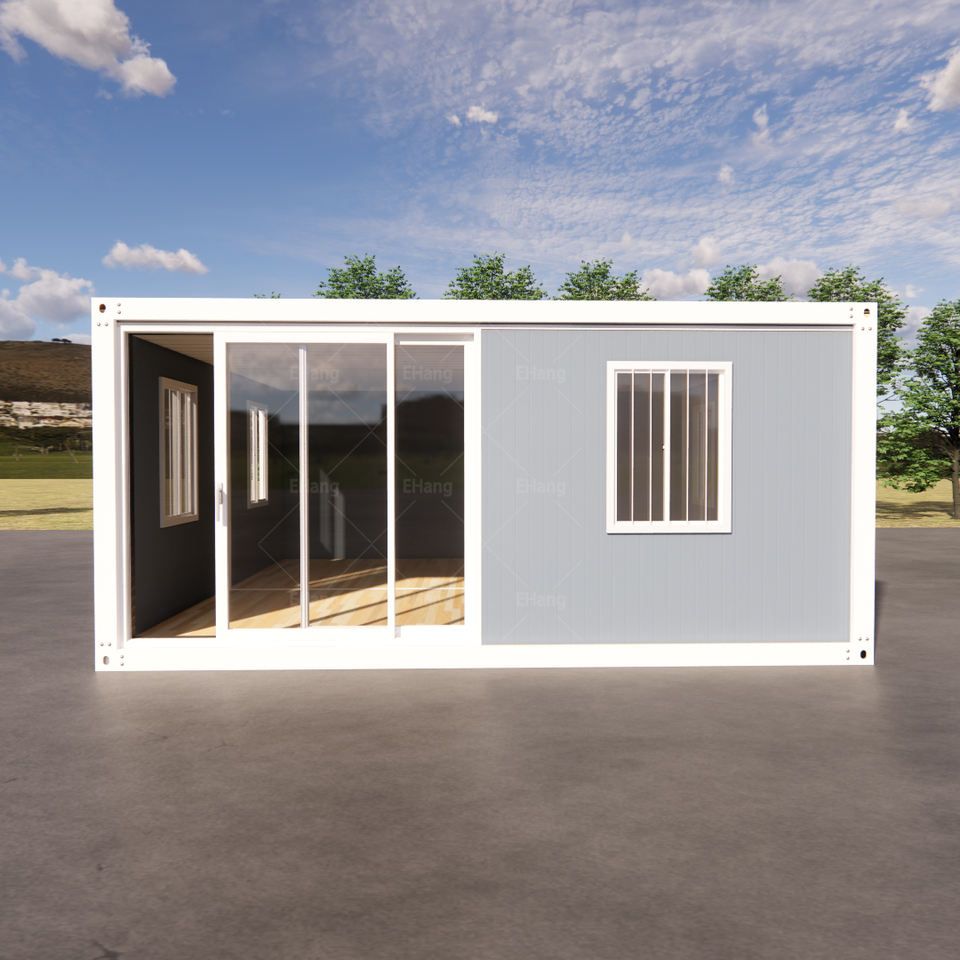
1. Demand Communication Customers need to clarify the usage scenario (such as construction sites, exhibitions, scenic spots, etc.), rental duration (daily or monthly rental), the required quantity, and functional needs. For example, short-term events (exhibitions, celebrations) usually opt for daily rental, while long-term projects (construction sites, stadiums) are suitable for monthly rental. If features like sinks, intelligent management systems, or resource recycling are needed, they should be specified in advance. Additionally, providing the location information of the site is necessary to assess transportation and installation conditions.
2. Proposal and Quotation The rental provider recommends toilet types based on the demands, such as eco-friendly types (waterless flushing, microbial degradation), packaged/trailer-mounted types (flexible mobility), and water-flushing/container-modified types (suitable for fixed locations). The costs include rental fees, transportation fees, installation fees, and deposits. Some service providers offer package rentals (including consumable replenishment and regular cleaning) or per-use rental models. The written quotation should clearly specify all costs to avoid hidden charges.
3. Order Confirmation and Contract Signing After the customer approves the proposal, both parties sign a rental contract, clarifying rights and responsibilities, including equipment maintenance responsibilities, damage compensation standards, and deposit refund conditions. The customer needs to pay a deposit (usually 30%-50% of the total cost), with the remaining balance settled before equipment delivery.
4. Preparation and Delivery The rental provider prepares clean and functional mobile toilets at the agreed time, checking water and electricity connections (if needed), sewage systems (for water-flushing types), and intelligent equipment (such as sensors and monitoring). The transportation vehicles must meet the site access requirements (such as height and width limits) to avoid delivery delays.
5. On-site Installation and Debugging Workers complete toilet placement, securing (such as ground anchor reinforcement), and basic functional debugging on-site to ensure the normal operation of water-flushing systems, lighting, and ventilation. For eco-friendly types, they need to check the sufficiency of microbial degradation agents or packaging bags; for intelligent toilets, they need to test data transmission functions.
6. Rental Period Services The rental provider offers regular cleaning (such as daily/weekly), consumable replenishment (toilet paper, hand soap), and breakdown repair services as per the contract. Customers need to cooperate in keeping the surrounding environment of the equipment clean and avoiding man-made damage. If the rental period needs to be extended, prior negotiation and a supplementary agreement are required.
7. Expiry Recovery and Settlement After the rental period ends, workers remove the fixtures and transport the toilets back for recovery. The rental provider checks the equipment status and refunds the deposit after confirming no damage or additional services (such as emergency repairs). If there are cost disputes, photographic or video evidence should be provided for negotiation and resolution.
Suggestions for Choosing Rental Models:
- By functional type: Short-term events can choose packaged types (easy mobility), while long-term construction sites are suitable for water-flushing types (high comfort).
- By service target: Public institution partnerships may offer government subsidies, while event-specific types support customized designs.
- By additional services: Intelligent management can monitor usage frequency in real-time, and resource recycling models are suitable for scenarios with high environmental protection requirements.



