
How to Quickly Establish Mobile Toilets
Quickly establishing mobile toilets can be achieved through modular design, simplified construction processes, scientific site selection and installation, and flexible combinations. The specific methods are as follows:
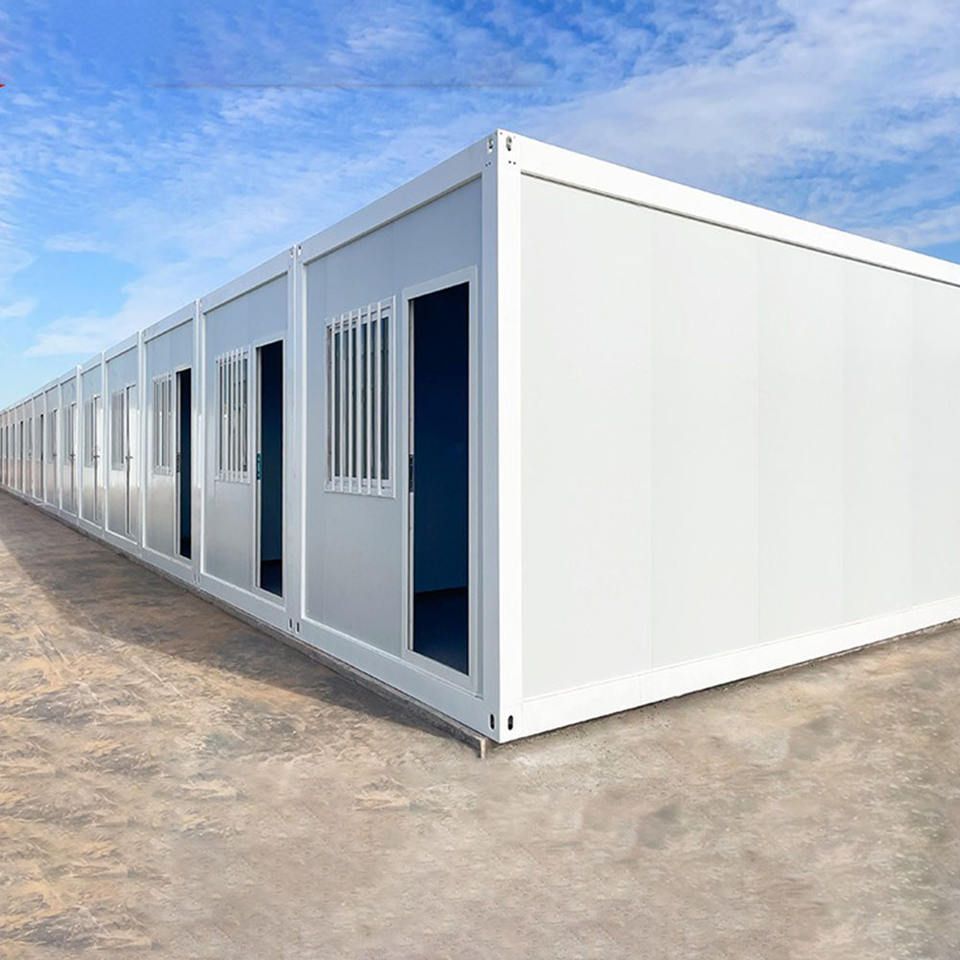
1. Modular Design and Standardized Assembly
Mobile toilets employ standardized modular design, with the main body composed of independently produced units, including toilet units, sewage treatment systems, and wheeled mobile chassis. Taking a common single-person container-style toilet as an example, its main frame typically uses lightweight color-coated steel plate material, which is welded or bolted to form a closed space. Inside, it is equipped with basic sanitary facilities such as flush toilets or foam-sealed urinals and sinks. The bottom is equipped with a sewage collection tank or an interface connected to the municipal sewage pipeline, and some models also integrate independent water tanks and power systems. The modules are connected by bolts or buckles, eliminating the need for on-site welding or concrete pouring. The installation process is similar to 'building blocks', and the main assembly can usually be completed in 2-4 hours. This design not only shortens the construction period but also facilitates later maintenance and component replacement.
2. Civil Engineering-Free Construction, Simplified Installation Process
The installation of mobile toilets does not require digging septic tanks or performing complex civil engineering work. Ground treatment only requires ensuring flatness, and structural erection can be completed through column support or splicing and fixing, with buckle design ensuring tight connections. For example, some models adopt a foldable structure, which reduces volume during transportation and can be unfolded on-site after being positioned by lifting or forklift, further reducing construction difficulty. If it is an independent toilet (such as a solar-powered model), it does not require external water and electricity connections and only needs to be fixed in position to be put into use, greatly enhancing deployment flexibility.
3. Scientific Site Selection and Basic Preparation
Site selection needs to meet two core conditions: flat ground to ensure structural stability and easy sewage discharge to reduce later cleaning costs. If connecting to the municipal sewage system, the location of pipeline interfaces needs to be confirmed in advance; if using a sewage collection tank, a transportation channel needs to be reserved. During installation, the chassis is fixed by bolts or directly lifted to the designated position, water and electricity lines are connected (except for independent models), and the functionality of the facilities is tested. The wheeled chassis design allows the toilet to be quickly moved by forklift or tractor, adapting to the needs of temporary events or emergency scenarios.
4. Flexible Combination of Multiple Stalls to Meet Different Scale Requirements
Modular design supports the expansion of multiple single-person units into multi-person public toilets through splicing. For example, combining 3-5 toilet units with a shared sewage treatment system can form a small public toilet; in large-scale event scenarios, the number of units can be further increased and equipped with management rooms, barrier-free facilities, etc. This 'building block' expansion method not only meets the needs of varying foot traffic but also avoids resource waste while maintaining the unity and aesthetics of the overall structure.



