
How to Pad Container Houses
The padding of container houses requires selecting an appropriate foundation method based on the type, with the core principles being to ensure a flat ground, moisture resistance, insect resistance, and decide whether to reinforce according to usage needs.
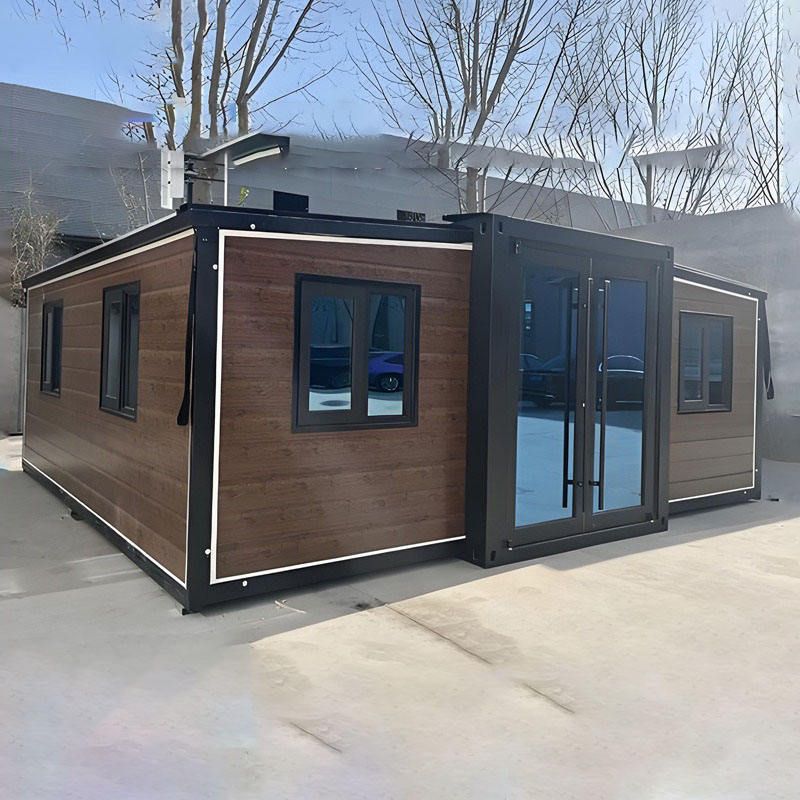
1. Foundation Type Selection
Foldable/Fixed Residential Container Houses
These have relatively low foundation requirements. Simply level the ground and they can be placed directly for use. If conditions permit, a cement floor can be poured and drainage ditches can be set up to enhance living comfort. These houses are relatively light and do not require complex foundation structures.Packing Container Houses
The foundation requirements are more flexible. Strip foundations, pier foundations, or even direct placement on the ground can be used. For long-term use, it is recommended to pour a concrete foundation to enhance stability, but the foundation cannot be reused during demolition.Residential Portable Panel Houses
These have the highest foundation requirements. A concrete foundation of a certain area needs to be poured, and the house is fixed to the foundation with expansion screws. The foundation of this structure cannot be reused during demolition and is suitable for long-term fixed locations.
2. Key Treatment Measures
Moisture and Insect Resistance
The main body of the container is made of steel and needs to be prevented from direct contact with ground moisture. It is recommended to use an independent foundation (such as a pile foundation) to elevate the container or lay a moisture-proof layer (such as a concrete cushion) on the ground to prevent bottom rusting and insect infestation.Rust Prevention Maintenance
All cutting and welding incisions must be polished and painted with epoxy primer + topcoat. Check the welds, corners, and other rust-prone parts annually and immediately repaint any rust spots found. The repainting cycle is 8-12 years in inland dry areas, 7-10 years in southern humid areas, and only 3-5 years in coastal areas.Waterproof Sealing
The areas around doors and windows, container body joints, and roof gutters need to have the sealant replaced regularly (every 5-7 years) and the roof leaves should be cleaned to prevent water accumulation from corroding the steel plate.
3. Special Scenario Handling
If stacking or staggered-layer design is required, the corner fitting force transmission points need to be reinforced with steel structures to ensure structural stability. For long-term use on rural homesteads, building approval needs to be obtained and structural drawings provided; for leased land, it is only for temporary use and the contract needs to clearly specify the usage nature.



