How to Make a Mobile Toilet on the Roof
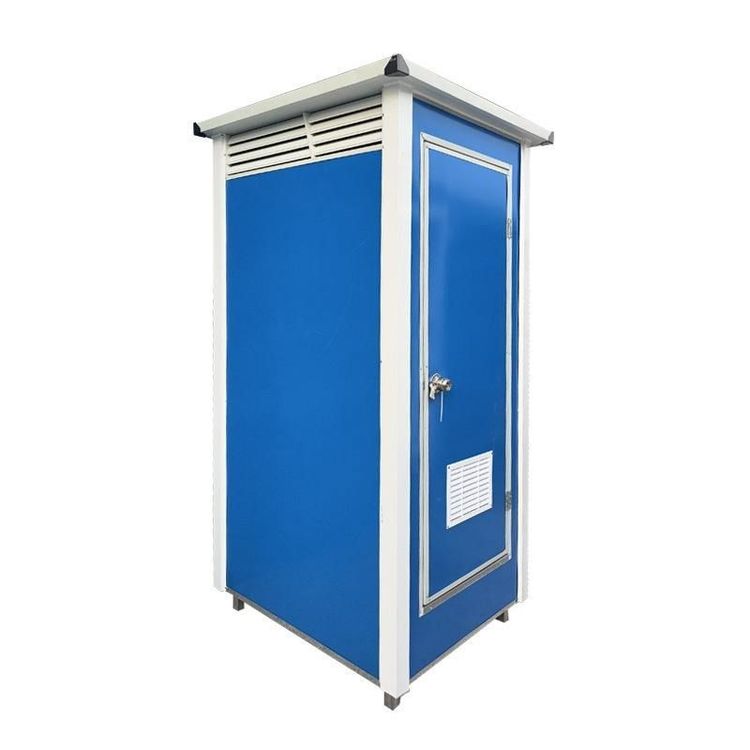
Generally, rooftops are not suitable for direct conversion into mobile toilets due to various issues such as structural safety, drainage, ventilation, and user convenience. If a similar functional space needs to be set up on the rooftop, specialized design and modification are required.

Structural Safety
The primary functions of a rooftop are to bear loads and provide waterproofing. Its structural design is usually carried out according to the original usage requirements of the building, with limited load-bearing capacity. A mobile toilet includes components such as a water tank, toilet bowl, and waste collection device, which are relatively heavy. If directly placed on the rooftop, it may exceed the load-bearing capacity of the rooftop, leading to structural damage, cracks, or even collapse, posing serious safety risks. Therefore, before setting up a space similar to a mobile toilet on the rooftop, a professional structural engineer must evaluate and calculate the load-bearing capacity of the rooftop. If necessary, the rooftop structure should be reinforced, such as by adding beams and columns as support structures, to ensure safety.
Drainage System
Mobile toilets generate sewage, which requires a well-functioning drainage system to discharge it. The drainage system on rooftops is usually designed for rainwater discharge, and its drainage capacity and pipe specifications may not meet the sewage discharge requirements of mobile toilets. If the sewage cannot be discharged promptly and smoothly, it may accumulate, generate odors, breed bacteria and mosquitoes, and affect environmental hygiene and user experience. Therefore, it is necessary to redesign and lay dedicated sewage discharge pipes to direct the sewage to appropriate treatment locations, such as septic tanks or municipal sewage networks.
Ventilation and Lighting
Mobile toilets require good ventilation to maintain fresh indoor air and reduce odors. Rooftop spaces are relatively enclosed, and natural ventilation may be inadequate. Mechanical ventilation equipment, such as exhaust fans, needs to be installed to improve ventilation. At the same time, to ensure the safety and convenience of users, lighting issues also need to be considered. Appropriate windows can be set up or artificial lighting can be used.
User Convenience
The rooftop is located at a relatively high position, and it may be inconvenient for users to go up and down, especially for the elderly, children, and those with mobility issues, which may pose safety risks. Therefore, safe and reliable access to the rooftop, such as stairs or elevators, needs to be set up, and safety facilities such as guardrails should be installed around the access.