Installation of Mobile Toilets in Scenic Spots
The installation of mobile toilets in scenic spots requires comprehensive consideration of factors such as size, material, internal design, and installation steps to ensure both functionality and landscape harmony.

Size and Space Planning
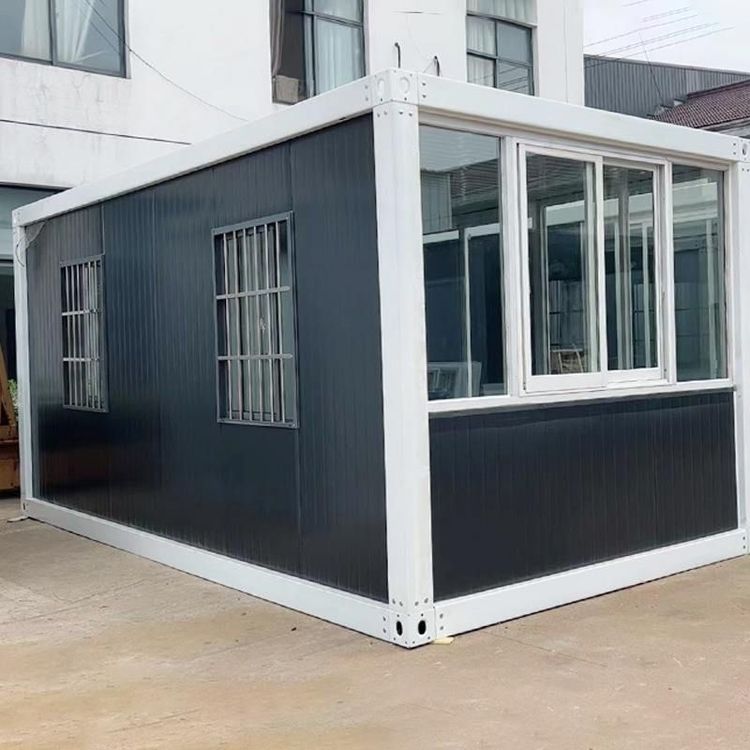
The size of mobile toilets should be determined based on the actual needs of the scenic spot. For example, a conventional mobile public toilet measures 3 meters in width and 6 meters in length, covering an area of approximately 18 square meters. If the scenic spot experiences high visitor traffic, the length or width can be appropriately increased to expand the internal space; if space is limited, a compact design should be chosen while ensuring that basic functional requirements are met. Additionally, a certain amount of passage space should be reserved to avoid obstructing visitor movement.
Exterior Wall Material Selection
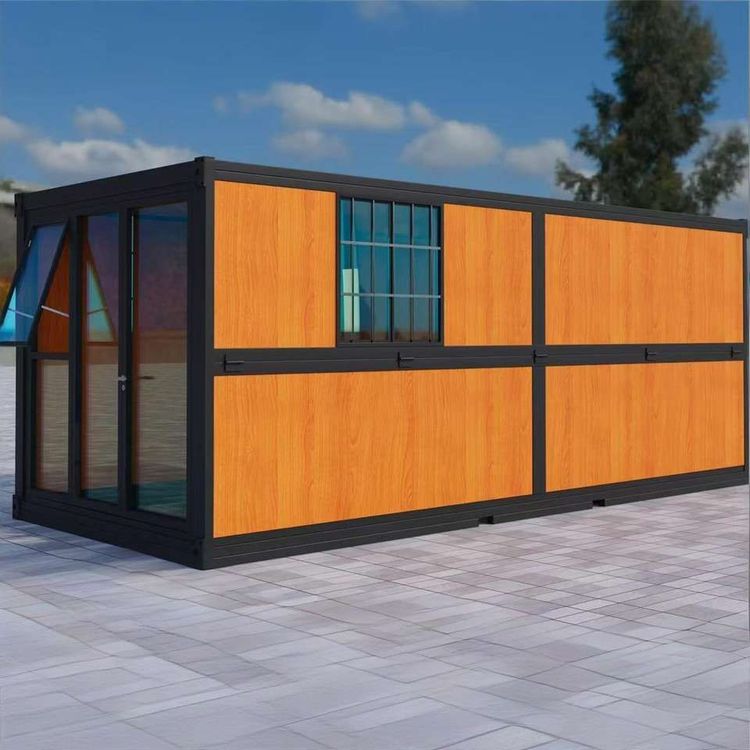
The exterior wall material directly affects the durability and aesthetics of the toilet. Metal carved panels are recommended for their corrosion resistance and ease of cleaning. These panels can simulate stone or wood textures through surface treatments such as stone-like paint spraying, blending seamlessly with the scenic spot's style. For instance, the antique-style mobile toilets in Wufengxi Ancient Town use metal carved panels paired with stone-like paint, preserving traditional architectural charm while enhancing modern practicality. If the scenic spot is located in a humid or rainy area, a waterproof coating can be added to extend the service life.
Internal Functional Design
The internal design should balance hygiene, safety, and humanization needs:
- Women's Restroom: The floor should be laid with waterproof and anti-slip rubber, reducing the risk of slipping; the walls can be made of antibacterial materials for easy cleaning.
- Men's Restroom: Multiple independent stalls or urinals can be installed, with partitions to protect privacy.
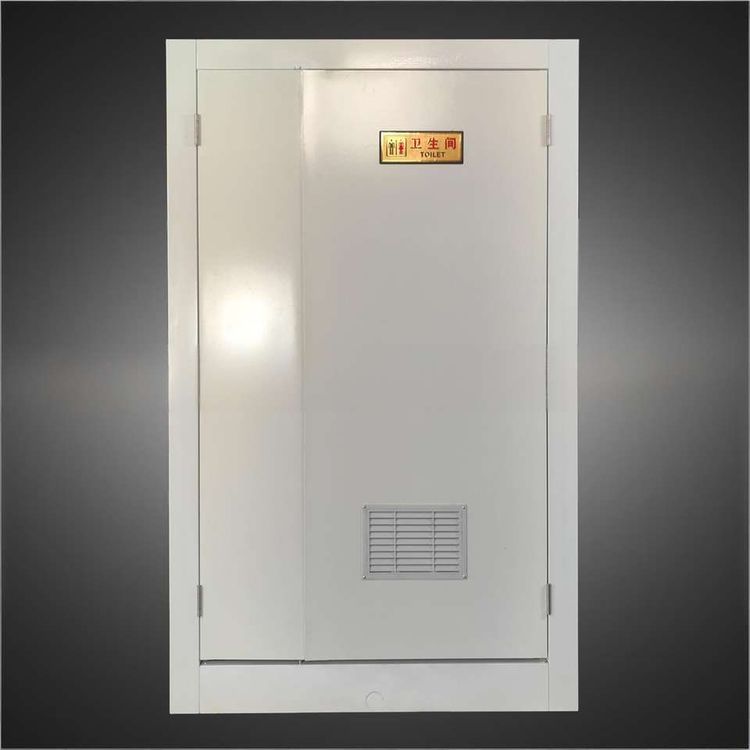
- Universal Restroom: To provide convenience for disabled individuals, visitors with children, or the elderly, it should be equipped with barrier-free facilities (such as handrails and low-level sinks) and an emergency call device. The mobile toilets in Wufengxi Ancient Town include such designs, reflecting humanistic care.
Installation Steps and Precautions
- Style Positioning: Determine the toilet's design based on the scenic spot's theme (such as natural scenery or historical architecture), such as antique-style, modern minimalist, or eco-friendly, ensuring harmony with the surrounding environment.
- Stall Quantity Planning: Based on the scenic spot's average daily visitor traffic and peak-hour data, reasonably configure the number of stalls. For example, high-traffic scenic spots can increase the number of stalls or set up temporary toilets to alleviate pressure.
- Foundation Construction: Ensure the ground is level. If permanent installation is required, a concrete foundation can be poured; for temporary use, detachable ground anchors can be used for fixation.
- Pipeline Connection: Plan the layout of water supply and drainage pipes and electrical circuits in advance to ensure stable water supply, smooth drainage, and compliance with environmental protection requirements.
Through scientific planning and refined design, mobile toilets can not only meet visitors' basic needs but also become a functional landscape in scenic spots.