How to Make a Mobile Toilet
There are various ways to make a mobile toilet, which can be designed and constructed according to different needs and conditions.

From the perspective of materials and simplicity, there are cases of using storage tanks to make mobile toilets. For example, a young man used a storage tank to make a portable restroom. This method is relatively simple and has a low cost. The storage tank can serve as a feces storage container, and through reasonable pipeline design, the excreta can be collected into the storage tank. At the same time, a simple frame structure needs to be built as the support and enclosure of the toilet. Materials such as wood and metal pipes can be used, and the size and shape of the frame should be determined according to actual needs to ensure its stability and safety. Doors, windows, and other components are installed on the frame to provide a certain degree of privacy and ventilation.
If you want to enhance the functionality and environmental friendliness of the mobile toilet, you can refer to the practice of Xiaoshuai, who used a storage tank to make a solar-powered mobile restroom. On the basis of the above simple mobile toilet, solar panels are added as an energy source. The solar panels can be installed on the top of the toilet. By connecting a controller and a battery, the solar energy is converted into electrical energy and stored, which is then used to power the lighting, ventilation, and other equipment in the toilet. This not only reduces dependence on traditional energy sources but is also more environmentally friendly and energy-efficient.
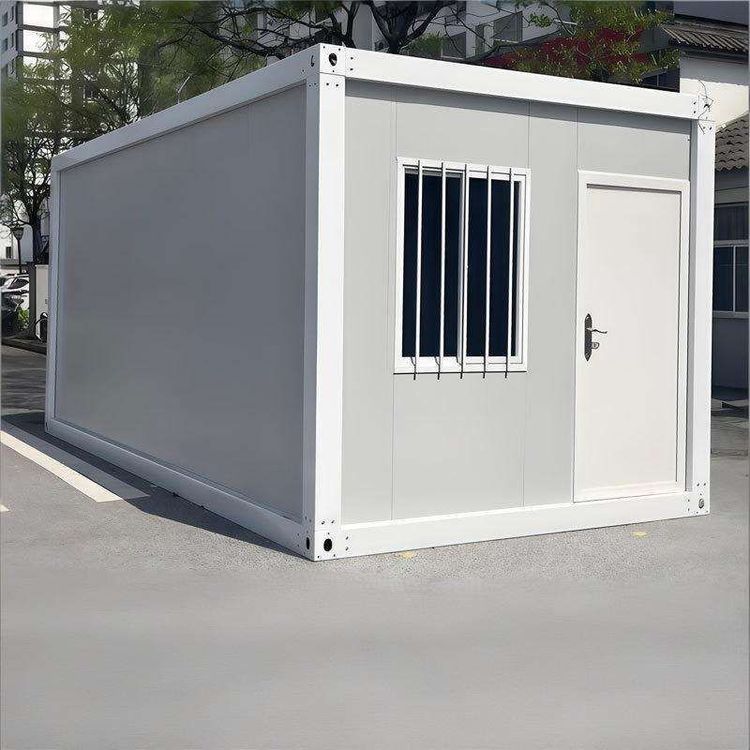
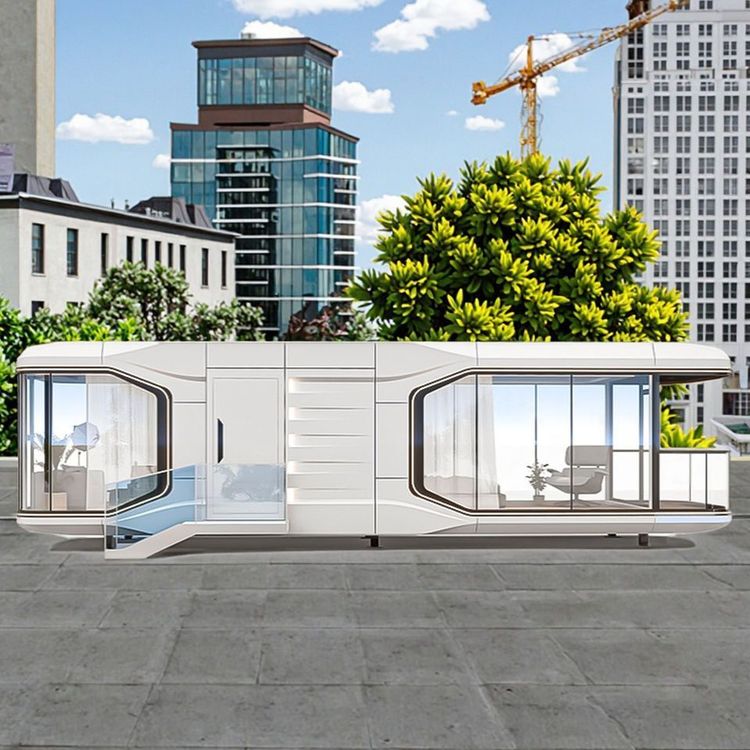
In terms of structural form and mobility, single-unit mobile toilets are relatively simple to make. They generally consist of a single independent toilet unit, and appropriate materials can be selected to make the outer shell according to needs, such as fiberglass and plastic, which have the characteristics of being lightweight, durable, and easy to clean. Composite-structure mobile toilets are composed of multiple functional units, such as including a toilet compartment and a management room. When making them, the connection and layout between each unit need to be considered to ensure the rationality and stability of the overall structure.
In terms of mobility, lifting and handling mobile toilets are usually made more compact, facilitating the overall lifting and handling using cranes and other equipment. Powered and towed mobile toilets need to be equipped with corresponding power devices or towing devices, such as installing wheels and towing devices, enabling them to move on their own or be towed by vehicles.
According to the sewage treatment method, water-flush and non-water-flush suction mobile toilets require the design of corresponding sewage treatment systems. Water-flush types need to install water tanks, water pipes, and flushing devices to ensure sufficient water for flushing; non-water-flush suction types need to be equipped with powerful suction equipment to promptly remove feces. Recirculating water-flush mobile toilets need to design a water circulation system to filter and purify the used water for reuse.