How to Introduce Portable Toilets
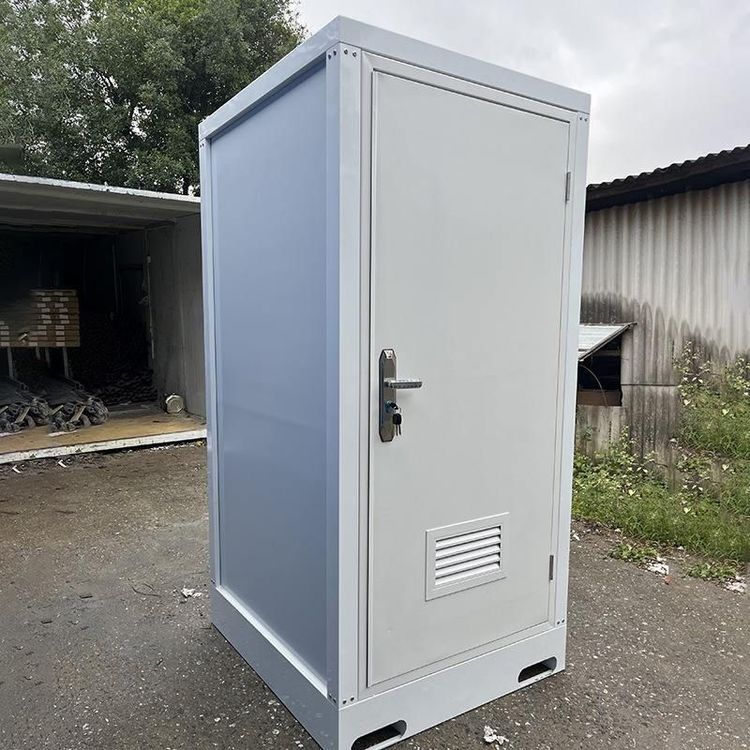
Portable toilets are facilities that can be moved as a whole and provide toilet services to the public, suitable for various locations. Here is an introduction from the aspects of definition, applicable locations, design features, and configuration standards:

Definition: A portable toilet (Portable toilet) is a facility with overall mobility. It can be flexibly set up at different locations according to fixed or temporary needs, providing toilet services to the public and customers. This characteristic distinguishes it from traditional fixed toilets and gives it significant advantages in dealing with temporary events, emergencies, or site constraints.
Applicable Locations: Portable toilets have a wide range of applications, covering transportation hubs such as stations and docks to meet the temporary needs of travelers; tourist attractions, villa areas, and newly built residential communities to enhance service convenience; large construction sites, squares, and other densely populated places to solve toilet problems; as well as densely populated public places and bustling commercial streets to alleviate toilet pressure during peak hours. Their flexibility and adaptability make them an important supplement in public facility planning.
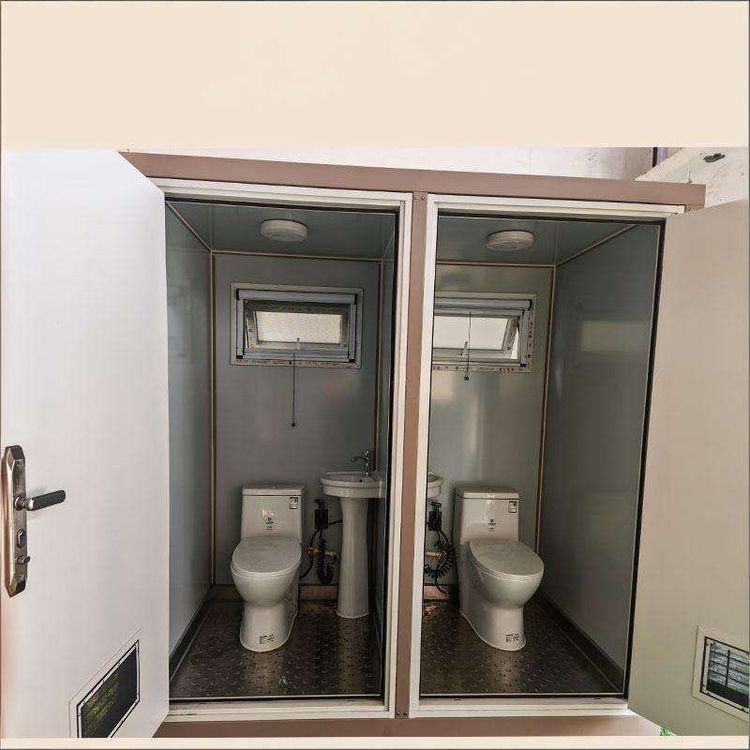
Design Features: Some portable toilets adopt a ridge-raising structural design, allowing for multiple independent stalls that are unisex. This design increases usage frequency and is especially suitable for high-traffic scenarios. The exterior walls are made of brick-patterned metal carvings, which are not only aesthetically pleasing but also have thermal insulation properties, enhancing internal comfort. Additionally, the modular design enables portable toilets to be quickly assembled or disassembled according to needs, further enhancing their flexibility.
Configuration Standards: High-end portable toilets are equipped with independent stalls, flushing devices, sinks, and lighting fixtures, providing an experience close to that of traditional toilets. They adhere to strict material standards, such as using 100*100 galvanized square steel for welding to ensure structural stability and durability. These configurations not only improve hygiene conditions but also extend the service life of the facilities, making them suitable for locations with high-quality requirements.