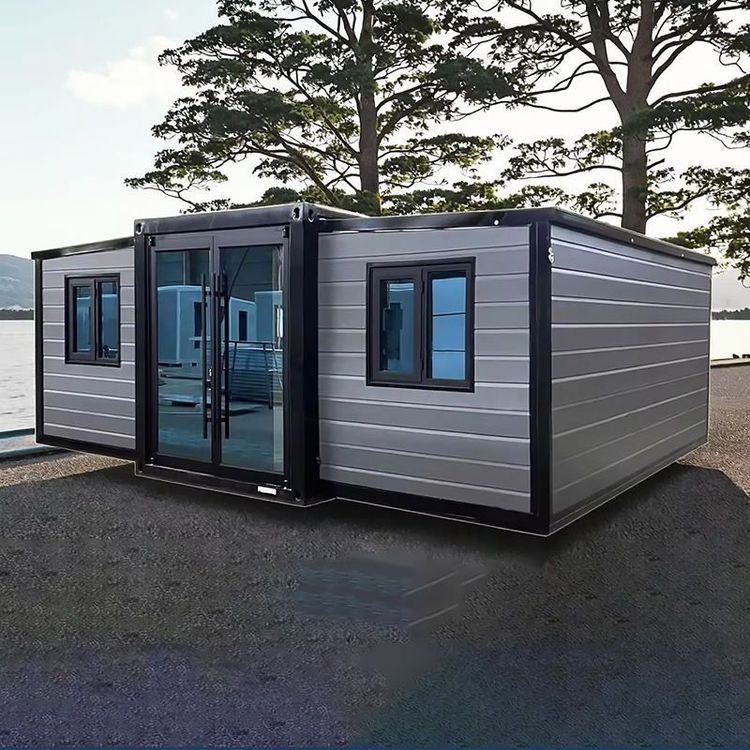
How to Insulate Container Houses
Insulating container houses can be achieved by optimizing the structure, selecting thermal insulation materials, improving door and window designs, and adding temperature control equipment.
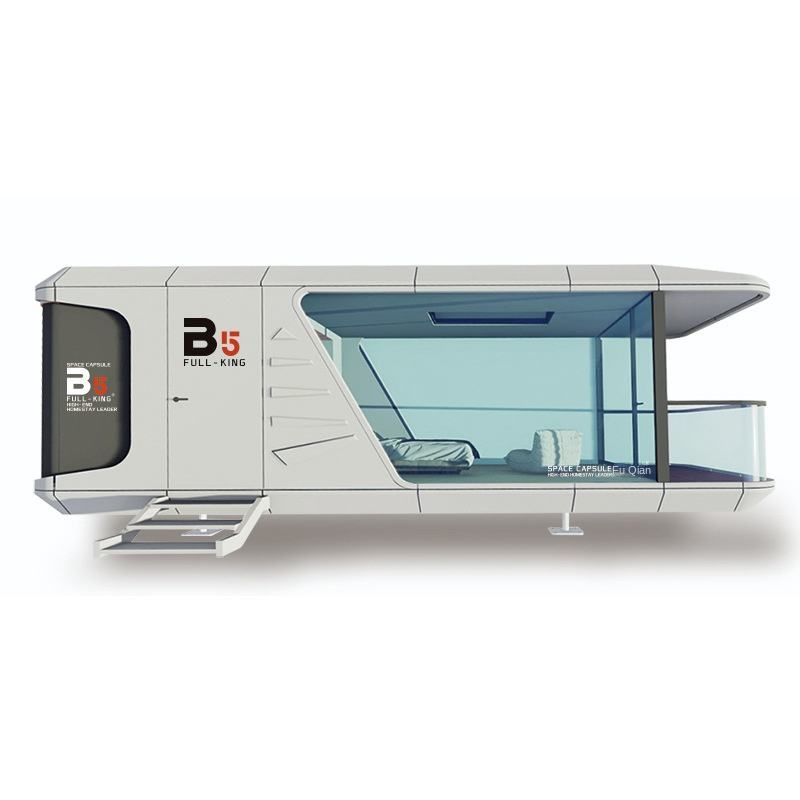
Structure Optimization
The thermal performance of container houses relies on three key structural layers: the outer anti-corrosion color-coated steel plate reflects sunlight, the middle layer of over 50mm polyurethane foam blocks heat conduction, and the inner layer of fire-resistant gypsum board combined with a moisture-proof film helps control humidity and stabilize temperature. This structure results in a wall heat transfer coefficient of ≤0.45W/(㎡·K), with an insulation efficiency 1.8 times that of traditional brick-and-mortar walls. In summer, the interior of the container warms up 22 minutes slower than the outside, and in winter, the temperature drops by only 1.3℃ after being sealed for 8 hours, providing a more stable and comfortable environment.
Selection of Thermal Insulation Materials
- Polyurethane Foam Board: With a low thermal conductivity coefficient, it offers excellent thermal insulation performance and is commonly used in the middle layer of container houses.
- Rock Wool Board: Provides good thermal insulation and has fire-resistant properties, making it suitable for scenarios with high fire safety requirements.
- Polystyrene Board: Cost-effective, it meets basic thermal insulation needs but has relatively weaker fire resistance.
Door and Window Design Optimization
- Use Double or Triple Glazing: Reduces the thermal conductivity coefficient and minimizes heat transfer.
- Install Sealing Strips: Add sealing strips around windows and doors to prevent heat leakage and improve insulation.
Detail Handling
- Sealing of Insulation Material Joints and Connections: Use appropriate sealing materials to seal joints and connections to prevent heat leakage.
- Integration of Insulation Layer with Container Structure: Employ professional construction methods and materials to ensure airtightness and structural stability.
Adding Temperature Control Equipment
- Air Conditioning: Quickly adjusts indoor temperature to meet seasonal demands.
- Entrance Air Curtains: Reduces air exchange between indoors and outdoors, minimizing heat loss.
- Graphene Floor Heating: Provides radiant heating through the floor, increasing indoor temperature in winter while being energy-efficient and environmentally friendly.