Back to blog
Article
How to Install Water for Mobile Toilets
Admin September 20, 2026
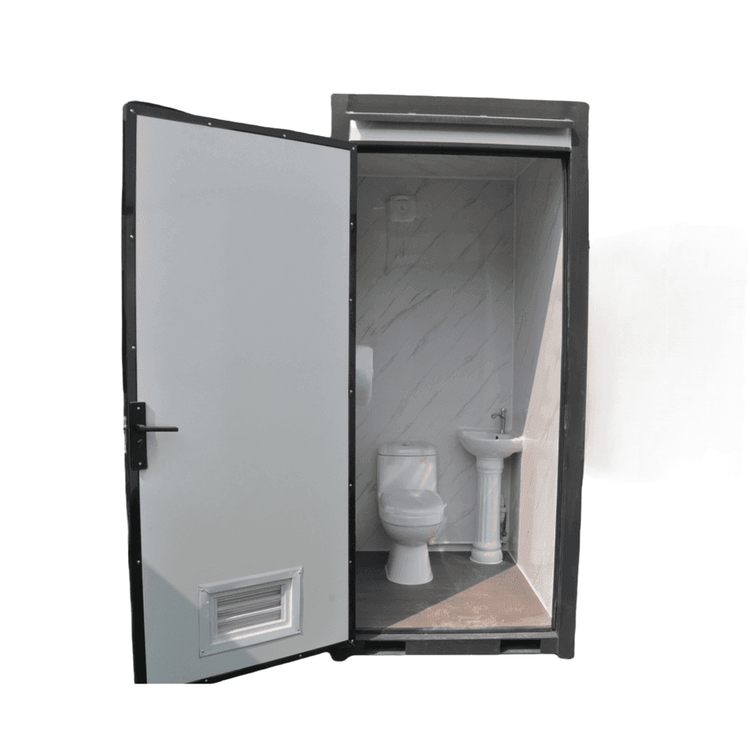
The installation of water for mobile toilets mainly involves the installation of water-circulating mobile toilets, with core steps including pre-installation preparation, main body installation, and pipeline connection.
Pre-installation Preparation
- Site Survey and Location Selection: This is the foundation for installing water-circulating mobile toilets. Choose a flat area to ensure the stability of the toilet after installation and prevent equipment tilting or damage due to uneven terrain. The soil should be solid and stable enough to bear the weight of the toilet. Having access to electricity is crucial as the operation of equipment such as the water-circulating treatment unit requires electrical support. Additionally, avoid low-lying areas prone to water accumulation to prevent waterlogging and damage to the toilet equipment.
- Foundation Treatment and Ground Leveling: Conduct foundation construction according to the size and weight of the toilet. A suitable foundation provides firm support for the toilet, ensuring no shaking or sinking during use. Ground leveling is a prerequisite for the smooth installation of subsequent equipment and pipeline connection. An uneven ground may lead to loose pipeline connections and water leakage.
- Equipment Inspection and Component Verification: Before installation, carefully check whether core components such as the water-circulating treatment unit, water storage tank, toilet bowl, and pipelines are complete and in good condition. The absence or damage of any component may affect the normal operation of the entire water-circulating system, resulting in the toilet being unable to function properly or malfunctioning.
Main Body Installation and Pipeline Connection
- Box Body Positioning and Fixing: Steadily hoist the toilet box body onto the foundation using professional hoisting equipment and operators to ensure no damage during hoisting. After hoisting into place, adjust the levelness of the box body to keep it horizontal and then fix it to prevent movement during use.
- Water-Circulating System Unit Installation: Install the unit in the designated position. Ensure the unit is stable during installation and leave sufficient space around it for operation and maintenance. This facilitates staff operations and daily maintenance during subsequent equipment operation, allowing for the timely detection and resolution of potential problems.
- Pipeline System Connection:
- Inlet Pipeline Connection: Reliably connect the external water supply pipe to the toilet inlet valve and water storage tank, and install a filter at the same time. The function of the filter is to prevent impurities from entering the pipeline and water-circulating system, avoiding pipeline blockage or equipment damage caused by impurities, and ensuring clean water quality and normal equipment operation.
- Internal Circulating Pipeline Connection: Correctly connect the pipelines between the toilet bowl, collection tank, water-circulating treatment unit, and clean water tank according to the flow chart. This is a key link in the water-circulating system. Proper pipeline connection ensures that sewage smoothly enters the collection tank, is treated into clean water by the water-circulating treatment unit, and then is transported to the clean water tank for toilet bowl flushing, achieving water resource recycling.
Related