
How to Ensure Hygiene in Mobile Toilets
Ensuring hygiene in mobile toilets requires a comprehensive approach involving design and construction, provision of cleaning facilities, daily cleaning and disinfection, ventilation, and management systems.
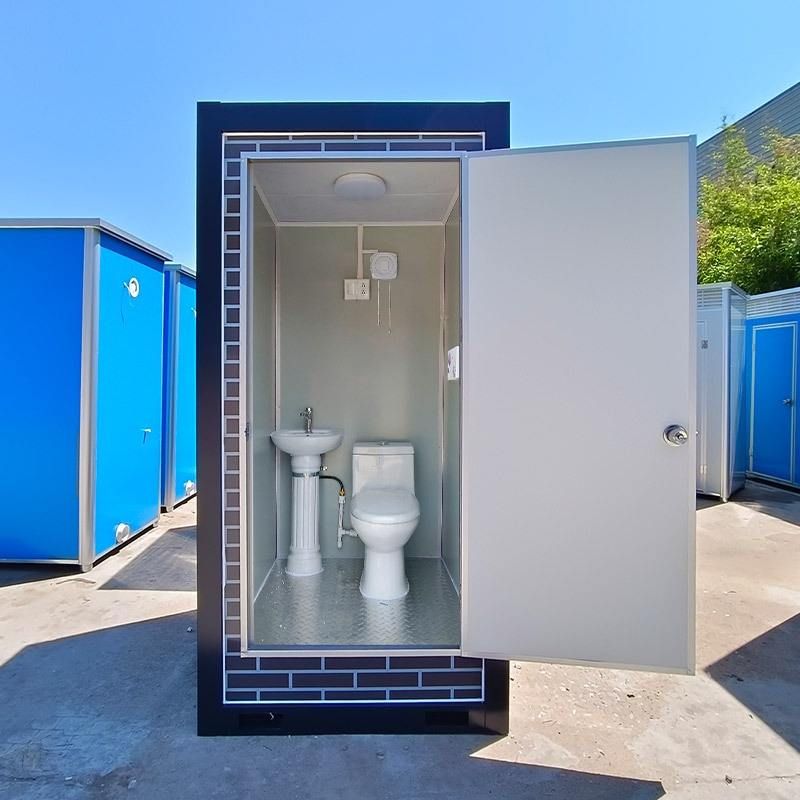
I. Rational Design and Construction
The design and construction of mobile toilets are fundamental to ensuring hygiene. They should feature a well-sealed structure to prevent odors and bacteria from spreading to the external environment. The interior walls and floors should be made of easy-to-clean materials, such as smooth ceramic or stainless steel, which have smooth surfaces that do not easily retain stains and bacteria and facilitate quick cleaning by staff, reducing hygiene dead zones.
II. Provision of Comprehensive Cleaning Facilities
An efficient flushing system is crucial for the cleanliness of mobile toilets, ensuring that waste is thoroughly flushed away after each use to prevent residue. Additionally, sufficient hand sanitizer, toilet paper, and trash bins should be provided. Hand sanitizer helps users clean their hands, reducing the spread of bacteria; toilet paper meets basic usage needs; and trash bins collect waste, preventing littering and pollution. These facilities should be regularly replenished and replaced to ensure their proper functioning.
III. Strengthening Daily Cleaning and Disinfection
Cleaning staff should regularly conduct thorough cleaning of mobile toilets and use professional disinfectant cleaners to disinfect all parts of the toilet on a regular basis, especially high-contact areas such as toilets, sinks, and doorknobs. These areas are prone to bacterial and viral growth, and regular disinfection can effectively kill pathogens and reduce the risk of infection.
IV. Maintaining Good Ventilation
Ventilation equipment, such as fans or ventilation ducts, should be installed in mobile toilets to ensure air circulation. Good ventilation reduces the growth of odors and bacteria, improves the air quality inside the toilet, and provides a relatively comfortable environment for users.
V. Establishing a Sound Management System
Clearly define responsible personnel and cleaning frequencies, regularly inspect and evaluate the hygiene conditions of mobile toilets, and promptly address any issues identified. At the same time, strengthen publicity and education for users to guide them in using the toilet in a civilized manner, such as not spitting or littering, and jointly maintain the hygiene and cleanliness of mobile toilets.



