Back to blog
Article
How to Clean and Disinfect Mobile Toilets
Admin October 06, 2026
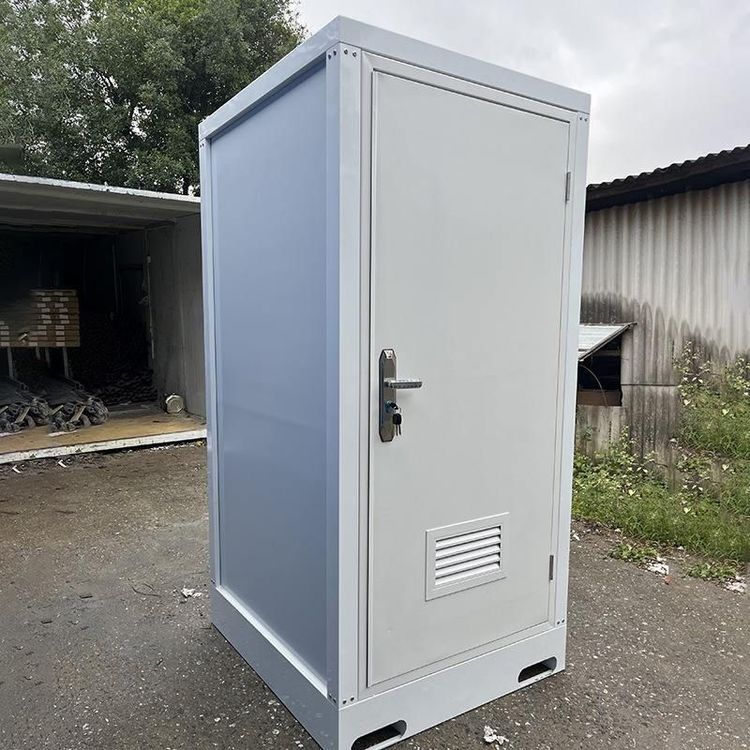
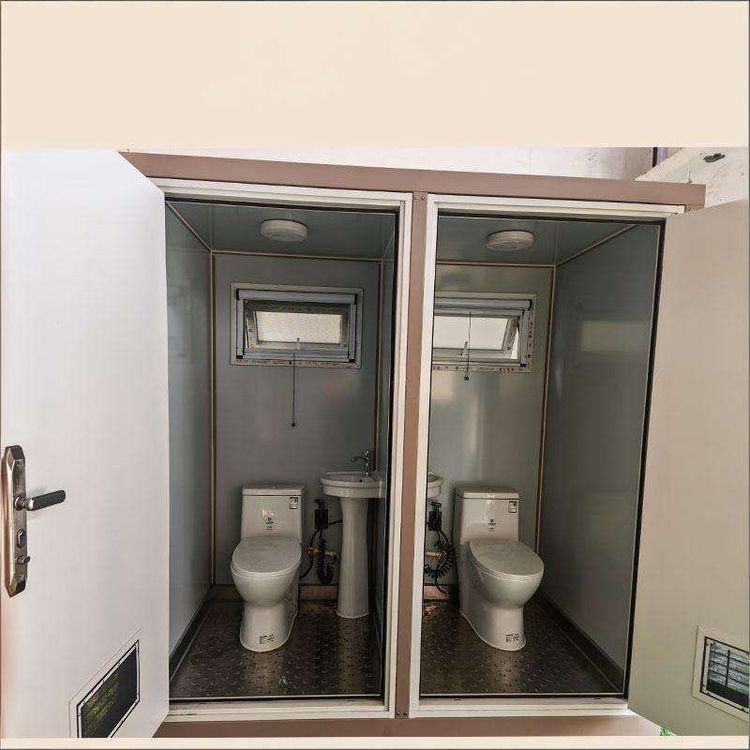
The cleaning and disinfection of mobile toilets should follow the in-depth cleaning process for restrooms, focusing on achieving thorough cleaning through the combination of tools and cleaning agents, as well as working in different areas, while strictly adhering to safety regulations.

I. Essential Tools and Cleaning Agents
- Tools: Rubber gloves, masks, toilet brushes, crevice brushes, old toothbrushes, scouring pads (distinguishing between soft and hard), glass scrapers, scrapers, mops, rags of different colors (for separate use on sanitary ware, countertops, and floors), vacuum cleaners, and small buckets.
- Cleaning Agents:
- Toilet Cleaner: Breaks down urine scale and yellow stains in the toilet.
- Limescale Remover/Citric Acid: Cleans limescale from faucets, showerheads, glass, and sink basins.
- Mold Remover: Treats mold spots in tile grout and silicone sealant.
- Neutral Cleaner: Wipes down sink countertops, mirrors, and metal fixtures.
- Chlorine-based Disinfectant (e.g., 84 Disinfectant): For disinfection and sterilization. Never mix with toilet bowl cleaner (produces toxic chlorine gas). Avoid prolonged exposure of metal fixtures to strong acids and alkalis to prevent corrosion.
II. Complete Work Process
- Preliminary Preparation: Wear gloves and masks, open windows for ventilation; empty trash cans and remove items from the restroom; flush the toilet and pour in toilet cleaner, letting it sit for 15-20 minutes to break down stains.
- High-Level Cleaning: After turning off the power, wipe down cobwebs on the ceiling, filter screens of exhaust fans, and lampshades, avoiding water damage.
- Walls and Crevices: Sweep away dust from walls, spray mold remover on mold spots and scrub; use a crevice brush with mold remover on blackened tile grout and silicone sealant; spray limescale remover on shower glass and scrape clean with a glass scraper.
- Sink Area: Remove soap scum and water stains from the countertop; scrub the threaded gaps of faucets with a toothbrush; wipe mirrors streak-free with a neutral cleaner; clear hair from the drain filter screen.
- In-Depth Toilet Cleaning: Thoroughly scrub the inner walls, drain bends, and water outlets inside the toilet with a toilet brush; scrub the outer tank, lid, seat, base, and the joints with the floor; wipe the seat and lid with disinfectant and then rinse off residue with clean water.
- Shower Area/Bathtub: Disassemble the showerhead and soak to remove limescale; scrub the tiles of the bathtub/shower floor and the drain; clear hair and sludge from inside the drain; remove limescale and soap scum from shower fixtures and shelves.
- Floor and Dead Spaces: Use a vacuum cleaner to remove hair; focus on scrubbing corners, under cabinets, and behind the toilet; mop the floor and then wipe with diluted disinfectant, followed by a second wipe with clean water after 30 minutes.
III. Safety Precautions
- Cleaning Agent Mixing Prohibitions: Never mix toilet bowl cleaner with 84 disinfectant, as it produces toxic chlorine gas that can be life-threatening.
- Metal Protection: Avoid prolonged use of strong acids and alkalis to clean metal fixtures to prevent corrosion and loss of luster.
- Ventilation Requirements: After cleaning, open windows for thorough ventilation and keep dry to inhibit mold growth.
Related