How to Choose the Right Portable Toilet Types
Choosing the right portable toilet types requires comprehensive consideration of user needs, design, durability, hygiene, aesthetics, and size, among other factors. Here is a detailed analysis:
First, it is essential to clarify the user groups and their needs. User requirements vary significantly across different scenarios: event planners need toilets that can be quickly deployed and easily moved; construction site managers need to balance cost and durability; urban innovators may focus more on space-saving designs. Identifying the usage scenario and core needs is the foundation for selection.
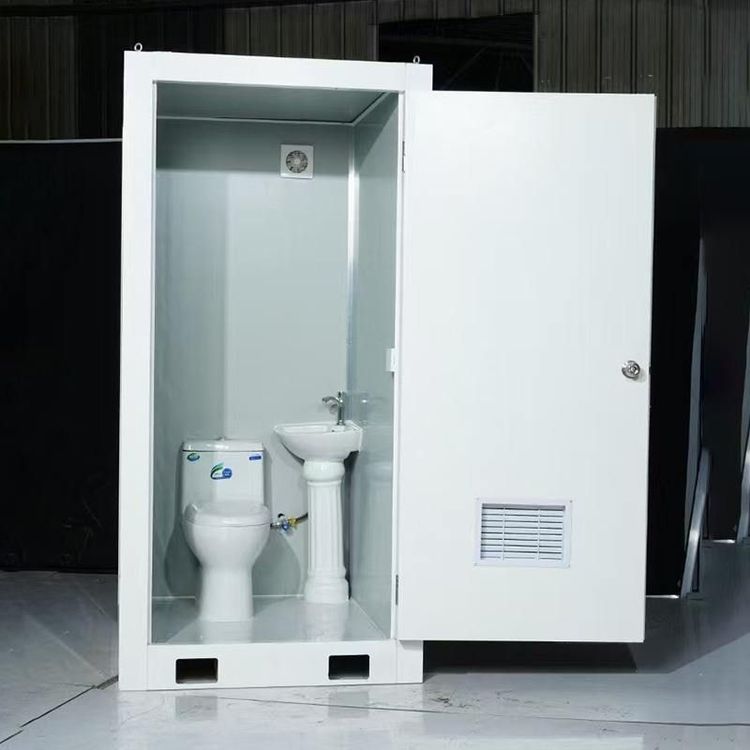
Design and facility configuration are key differentiators. Standalone portable toilets are compact and easy to maintain, suitable for short-term events or temporary needs; trailer-mounted portable toilets are equipped with upgraded facilities similar to indoor restrooms, such as sinks and mirrors, making them ideal for scenarios requiring higher comfort levels, such as high-end events or long-term construction site use.
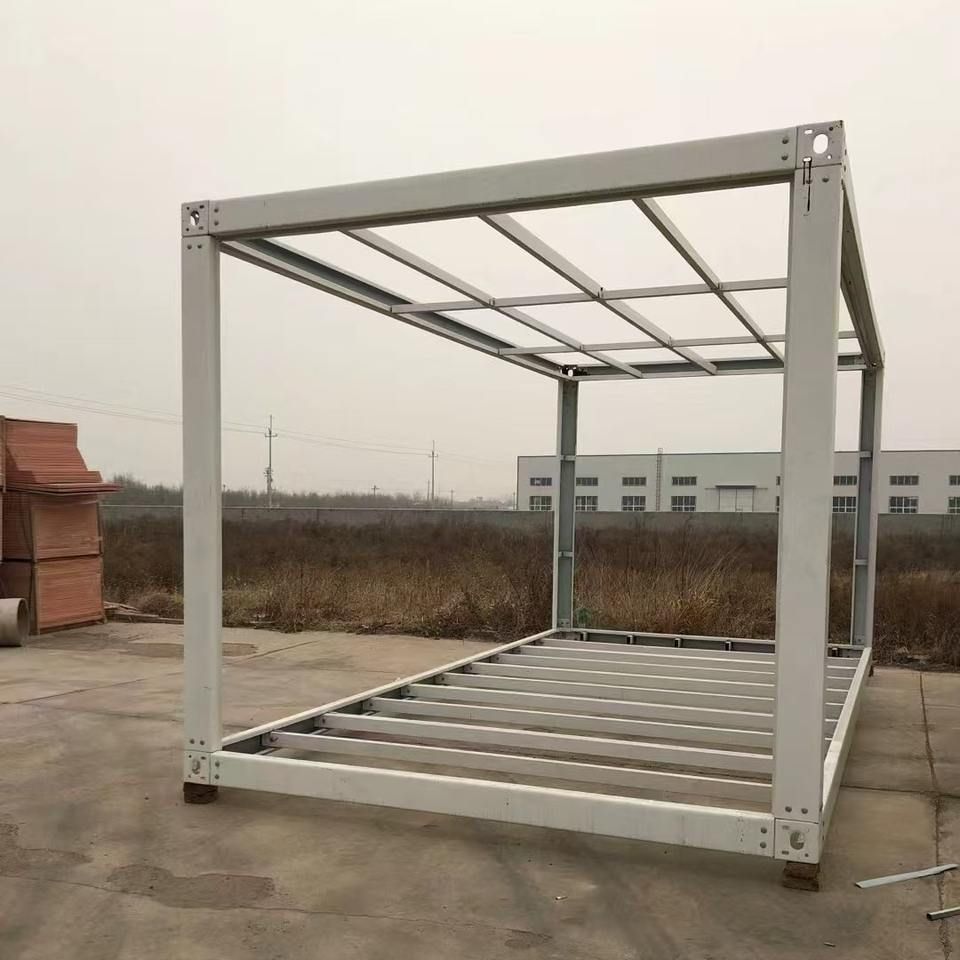
Durability and maintenance convenience directly impact the user experience. Toilets must withstand harsh outdoor environments, such as high temperatures, heavy rain, or dust storms, and materials should be corrosion-resistant and impact-resistant. Additionally, installation and maintenance processes should be simplified; for example, modular design can shorten deployment time, and easy-to-clean surfaces can reduce maintenance costs, which is particularly important in regions with variable climates.
Hygiene and ventilation are core health indicators. Choosing toilets with automatic flushing, odor-proof seals, or biodegradable technology can effectively reduce odors and bacterial growth. A good ventilation system, such as a roof exhaust fan or side window design, can accelerate air circulation, avoid stuffiness in enclosed spaces, and enhance user comfort.
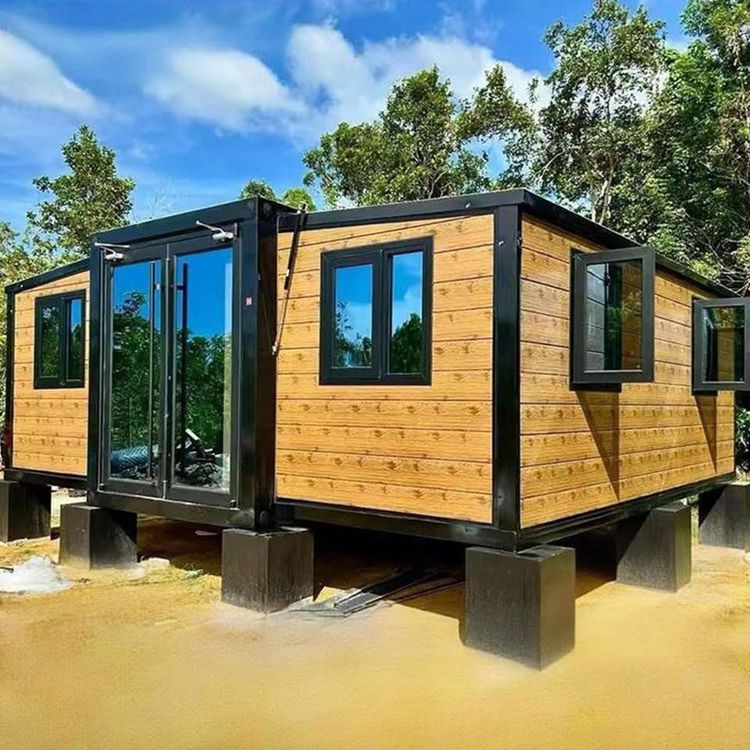
Aesthetics and environmental integration should be considered. Modern designs should avoid being obtrusive, using simple lines or natural colors to harmonize with the surrounding environment. Using recyclable materials or low-energy-consumption equipment not only reduces ecological impact but also aligns with sustainable development trends, especially in places with high environmental requirements, such as parks and scenic spots.
Size and lighting should meet practical needs. Choose single or multi-stall toilets based on available space to avoid occupying too much area. Nighttime usage scenarios require adequate lighting, such as motion-sensor lights or solar lights, to ensure safety and convenience. For example, nighttime events like music festivals should prioritize lighting design.