Portable Toilet Flat Roof: The Complete Buying Guide
The complete buying guide for portable toilets with flat roofs requires comprehensive consideration from six dimensions: functional design, scenario adaptation, type selection, market trends, purchasing considerations, and certification standards.

Core Functions and Design Features
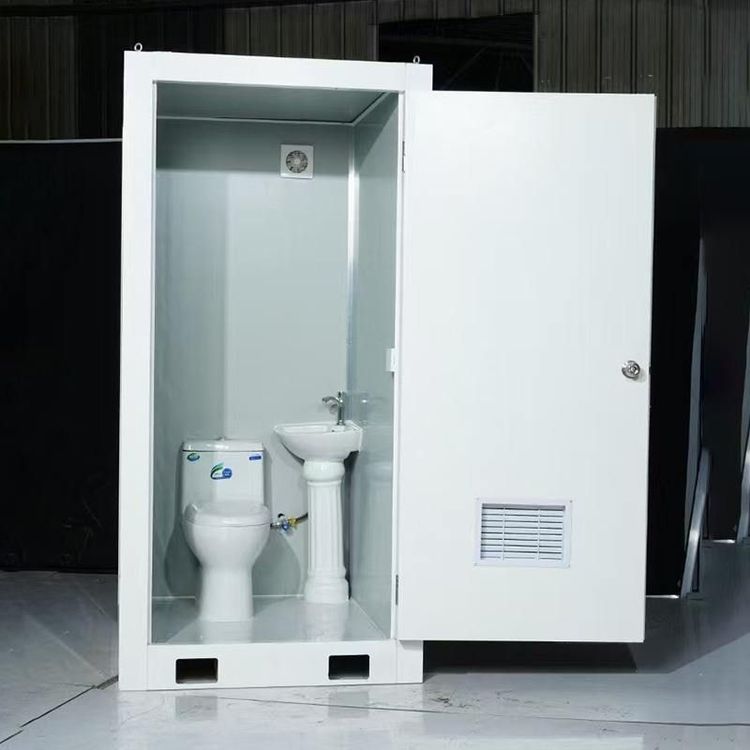
Portable toilets with flat roofs are characterized by optimized ventilation and lightweight structure as their core advantages. Their roofs adopt airflow-guided designs to reduce odor accumulation through natural ventilation. The main structure often uses lightweight sandwich panels and steel frames, balancing corrosion resistance and portability. The flat-pack modular design supports rapid assembly and disassembly, facilitating transportation and reuse, especially suitable for temporary scenarios.
Applicable Scenarios
- Outdoor Events: Short-term, high-traffic scenarios such as music festivals and sports events;
- Emergency Relief: Rapidly deployable sanitation facilities during disasters or pandemics;
- Construction Sites: Providing convenient toilet solutions for workers;
- Commercial Areas: Supplementing fixed public toilets in tourist attractions and commercial streets.
Types and Classifications
- Structural Forms:
- Single-unit structure: Independent units suitable for small-scale needs;
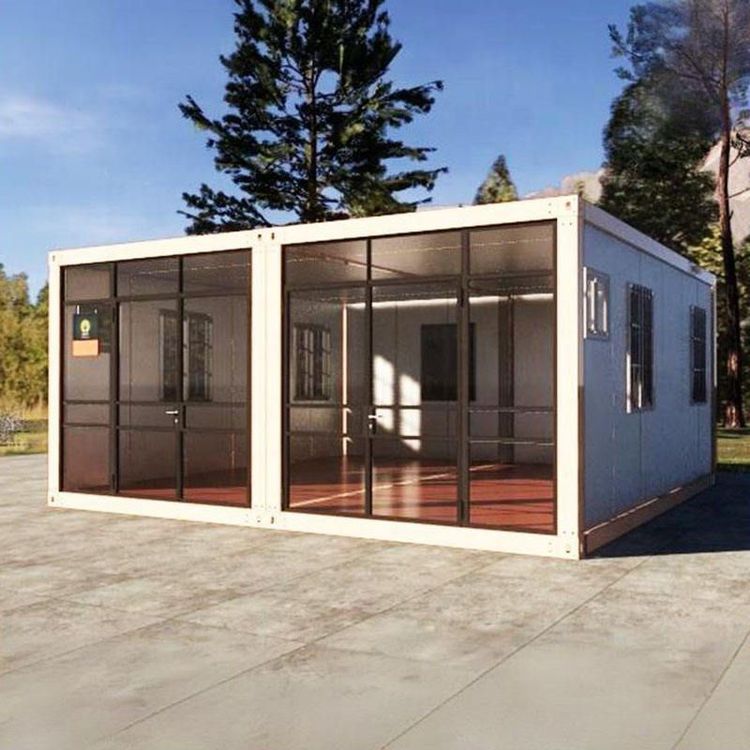
- Composite structure: Multi-unit combinations meeting large-scale usage requirements.
- Mobility Methods:
- Hoisting/handling type: Relies on mechanical equipment for movement;
- Powered/trailer type: Equipped with its own power or can be towed, offering higher flexibility.
- Sewage Treatment:
- Flush type: Requires connection to a water source, offering a good experience but at a high cost;
- Waterless suction type: Uses vacuum or chemical treatment for feces, suitable for water-scarce environments;
- Dry-pack type: Uses biodegradable bags to collect waste, being eco-friendly and easy to maintain.
Market Trends in 2026
- Sustainability: Eco-friendly materials (such as biodegradable components) and energy-saving designs become mainstream;
- Multi-functional Integration: Some models add shower functions, providing one-stop sanitation services;
- Smart Upgrades: High-end models may be equipped with intelligent monitoring systems (such as waste capacity alerts);
- Personalized Customization: Supports adjustments in size, color, and additional functions (such as baby care stations).
Purchasing Recommendations
- Capacity Matching: Choose single-unit or composite structures based on the number of users to avoid congestion during peak times;
- Mobility Priority: For frequently moved scenarios, opt for powered/trailer types or lightweight designs;
- Environmental Compliance: Ensure the product meets local waste treatment standards (such as EU CE certification);
- Budget Balance: Flush types offer a good experience but are costly, while dry-pack types are easy to maintain but require regular replacement of consumables.
Certifications and Standards
Prioritize products that have passed ISO 9001 quality certification to ensure material safety and durability. Some regions may require additional certifications (such as US ANSI standards or EU EN standards), which need to be further verified according to local regulations.