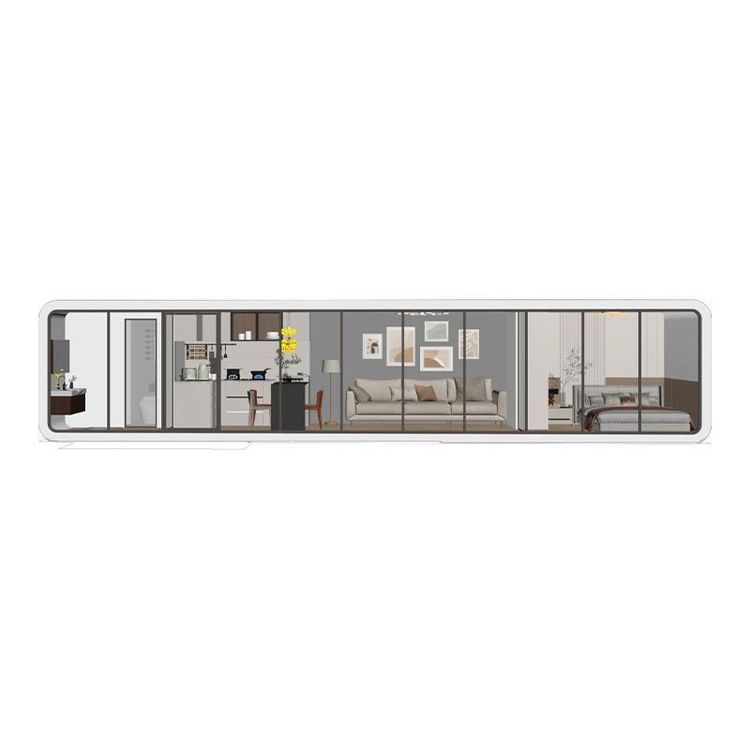
How to Choose the Right Portable Toilet Flat Roof
Choosing the right portable toilet with a flat roof requires a comprehensive consideration of material durability, ventilation design, portability, stability, sanitation features, compliance, and specific scenario requirements.

Material and Structural Durability
Prioritize models that use corrosion-resistant steel frames and lightweight sandwich panel structures, as these materials ensure structural strength while maintaining portability. High-density polyethylene (HDPE) is another reliable choice, known for its wear resistance and environmental erosion resistance, commonly used in standard mobile toilets for construction sites. For long-term use, consider models with polymer-reinforced steel or thick-gauge HDPE, which offer stronger load-bearing capacity and are suitable for high-frequency use scenarios.
Ventilation and Odor Control
Flat roof designs should be equipped with ventilated roofs or air circulation systems to reduce odor accumulation by promoting airflow and maintaining internal freshness. Some models combine sidewall vents with roof ventilation to further enhance sanitation conditions, especially in crowded or high-temperature environments.
Portability and Deployment Efficiency
Toilets with flat-pack designs can be quickly assembled and disassembled without professional tools, making them ideal for temporary events or disaster relief scenarios. During transportation, ensure that the dimensions comply with vehicle load requirements and that the structure supports manual handling or mechanical lifting.
Stability and Load-Bearing Capacity
Stability is crucial for flat roof toilets. Check for the use of triangular or rectangular reinforcement frames and materials with deformation resistance (such as thick-gauge HDPE or polymer steel). Some models are equipped with folding hinges or locking mechanisms that form a stable structure when deployed, preventing tipping during use.
Sanitation Feature Configuration
Choose additional features based on needs:
- Integrated shower or flushing systems: Provide comprehensive cleaning solutions, suitable for long-term驻扎 (stationing) scenarios.
- Sealed waste liquid collection systems: Prevent leaks and reduce maintenance frequency.
- Easy-to-clean interior walls or removable components: Simplify the cleaning process and extend service life.
Compliance and Certification
Ensure that the product complies with regional safety standards (such as California Cal/OSHA Title 8 construction site regulations) or ISO 9001 quality certification to guarantee that the materials are safe and non-toxic, avoiding legal risks.
Scenario Adaptability
- Construction site scenarios: Focus on durability, ease of maintenance, and occupational health compliance.
- Event/emergency scenarios: Choose compact, high-capacity, and rapidly deployable models with enhanced odor control.
- Outdoor leisure scenarios: Prioritize lightweight, weather-resistant, and ergonomic designs to enhance user comfort.
Additional Facilities
Add accessible units, portable showers, or handwashing stations based on needs to enhance functionality and user experience.