Portable Toilet Durable: What to Know Before You Buy
Key information to know before purchasing a durable portable toilet is as follows:
Material and Composition Affect Durability
The durability of a portable toilet primarily depends on its core materials. Early products often used wood, which was prone to decay and odor absorption, and have gradually been phased out. Modern products commonly use polymer materials such as fiberglass and polyethylene, which are corrosion-resistant, aging-resistant, and impact-resistant, significantly extending their service life. For example, the toilet shell made of fiberglass can withstand long-term exposure to sunlight and rain, while the polyethylene inner tank can resist corrosion from chemical cleaning agents, reducing the risk of cracking. Additionally, attention should be paid to the materials of the floor and walls, as high-quality materials can prevent wear and tear caused by frequent movement or use.
Structural Form and Mobility Determine Suitability for Use Scenarios
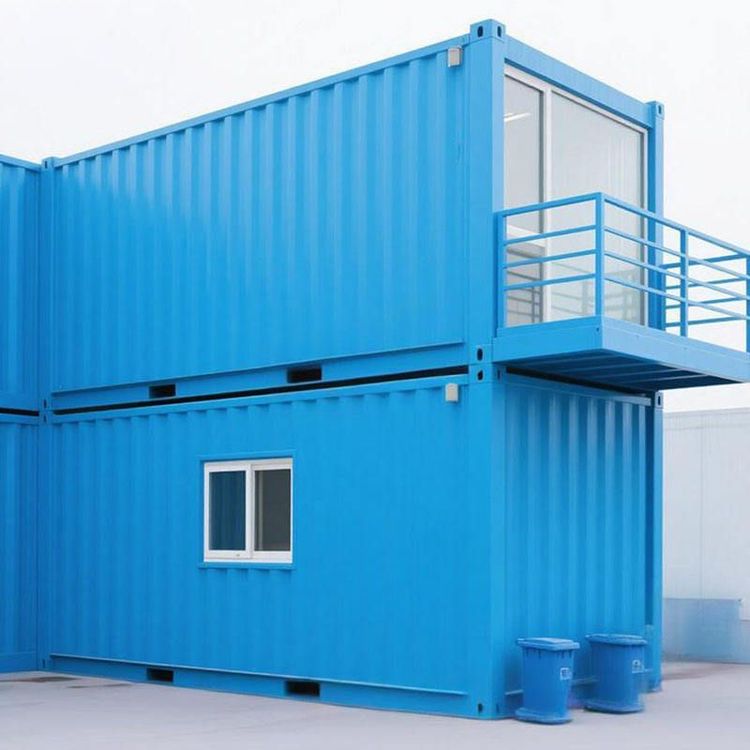
Structural forms are divided into single-unit structures and composite structures. Single-unit structures are lightweight but less stable, suitable for short-term, low-frequency use scenarios; composite structures enhance overall strength through modular design, making them more suitable for long-term, high-frequency use. In terms of mobility, lifting and handling types rely on external equipment (such as forklifts) and are suitable for repeated use at fixed locations; powered and towed types are equipped with engines or axles and can move independently, suitable for scenarios requiring frequent relocation. When choosing, it is necessary to weigh portability against stability based on actual needs.
Sewage Treatment Method is Related to Maintenance Costs
The sewage treatment method directly affects the durability and maintenance frequency of the toilet. Flush and non-flush suction types require regular cleaning of the fecal storage tank, and improper maintenance can easily lead to blockages or odors; recirculating flush types reuse water resources through a filtration system but require regular replacement of filter elements, resulting in higher maintenance costs; dry-pack types use biodegradable bags to collect excreta, requiring no flushing, with simple maintenance and no odors, but requiring regular replacement of the packing bags. Dry-pack types are generally more durable due to their simple structure and low failure rate.
Limitations of Special Types of Portable Toilets
Some portable toilets (such as portable female toilets and pocket toilets) emphasize portability but have lower durability. For example, the leaf-shaped urine bags introduced in Germany are disposable products with thin and fragile materials; Japanese pocket toilets, although compact in size, have limited load-bearing capacity and are only suitable for emergency use. For long-term repeated use, it is recommended to choose traditional portable toilets.
You may also like

Which Portable Toilet Color Steel Is Right for You? A Comparison
Read More
Portable Toilet Eco-Friendly For Sale Buying Guide: Options & Tips
Read More
Portable Toilet Independent: A Practical Buyer's Guide
Read More