Why Portable Toilet Flat Roof Matter: A Quick Guide
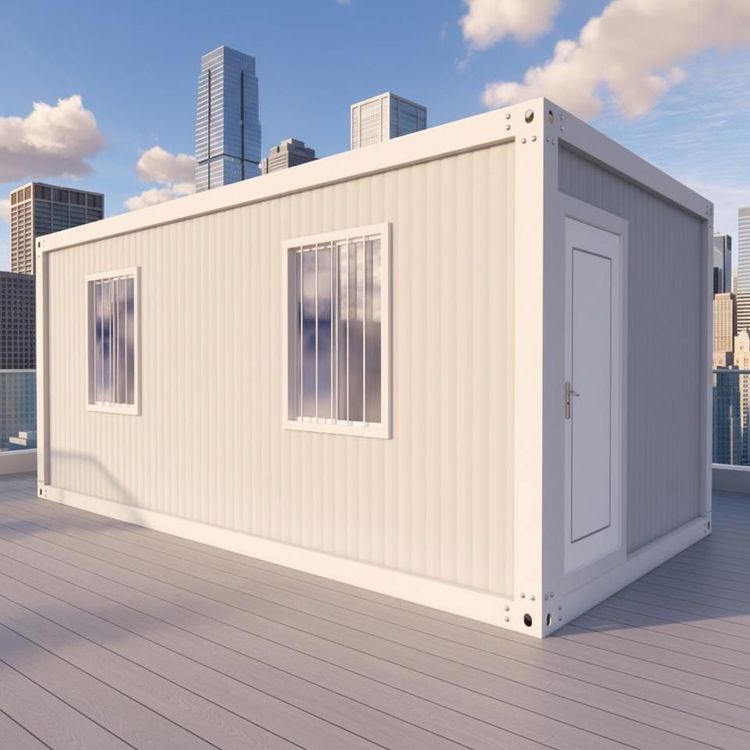
The flat-roof design of portable toilets is primarily important due to its structural stability, modular expandability, and optimized space utilization, serving as a key manifestation of functional adaptability and scenario flexibility.
1. Balancing Structural Stability and Portability
Flat-roof designs are commonly found in lightweight tent-style portable toilets (such as Yangzhou Smile Outdoor's "Instant Quick Change Pop-up Portable Shower Privacy Toilet Tent"). These products use flexible fiberglass rods to support a single-layer polyester fiber structure, with the flat-roof shape reducing wind resistance and minimizing the risk of structural deformation caused by strong winds during outdoor use. Meanwhile, the foldable design simplifies the top structure, enabling quick deployment and storage, making it suitable for scenarios requiring frequent movement, such as camping and beach trips. Their capacity is typically marked as ≤2 people, emphasizing instant privacy protection, and the flat-roof design further compresses the overall volume, enhancing transportation efficiency.
2. Supporting Modular Expansion Needs
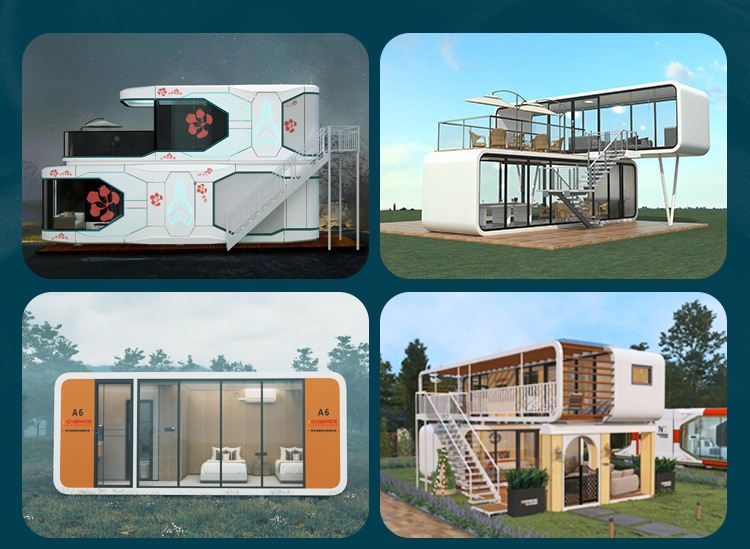
In prefabricated container-style toilets (such as Foshan Yahouse's "20FT/40FT Flat Pack Expandable Luxury Container House"), the flat-roof structure provides standardized interfaces for modular stacking. By using sandwich panel walls and galvanized steel frames to achieve shock and moisture resistance, the flat-roof design allows multiple containers to be stacked vertically, maximizing transportation space (each 20-foot container can hold 5 units). Additionally, the uniform size of flat roofs facilitates combination with other functional modules (such as office areas and classrooms) to form multifunctional temporary buildings, meeting the diverse needs of scenarios like post-disaster reconstruction and large-scale events.
3. Optimizing Space Utilization and Functional Expansion
Flat-roof container toilets (such as Henan K-Home's "20FT Portable Storage Combo Container Lunch Room") achieve functional transformation through customized internal layouts (such as adding sanitary facilities). Their standard dimensions (300060002800mm) can be flexibly adjusted, and the flat-roof structure allows full utilization of the top space: installing solar panels enables off-grid power supply, meeting the energy needs of medical stations and temporary offices; adding storage units expands storage capacity, adapting to long-term deployment requirements. This design balances the convenience of temporary use with the stability of long-term use.
Summary of Core Value: The flat-roof design enhances portability by simplifying the structure while providing a foundation for modular applications and space expansion, enabling portable toilets to adapt to diverse scenarios ranging from short-term outdoor activities to long-term post-disaster reconstruction. Different products further strengthen the applicability of flat-roof designs in specific scenarios through material differentiation (polyester fiber/sandwich panels/galvanized steel) and certification standards (CE/ISO).
You may also like
Top Portable Toilet House Manufacturers: How to Choose a Factory Partner
Read More
Portable Toilet Rental For Sale: Top Options & Considerations
Read More
How to Choose the Right Portable Toilet Movable Eco-Friendly
Read More