How to Choose the Right Container Steel House
Choosing the right container steel house requires a comprehensive evaluation from multiple aspects, including customization, material quality, waterproof and thermal insulation performance, service life, ease of installation, after-sales service, certification and warranty, cost-effectiveness and sustainability, and lifestyle adaptability.
1. Customization Options
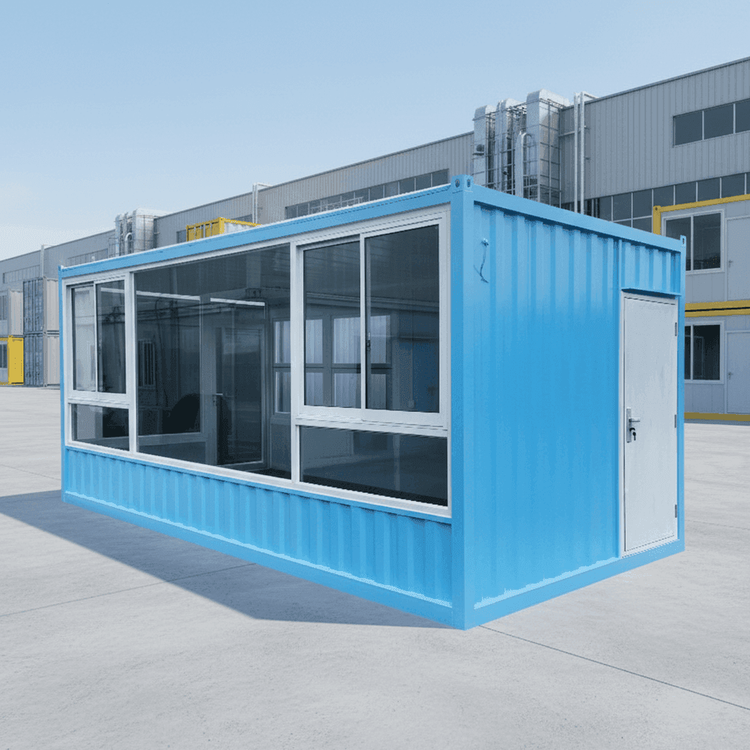
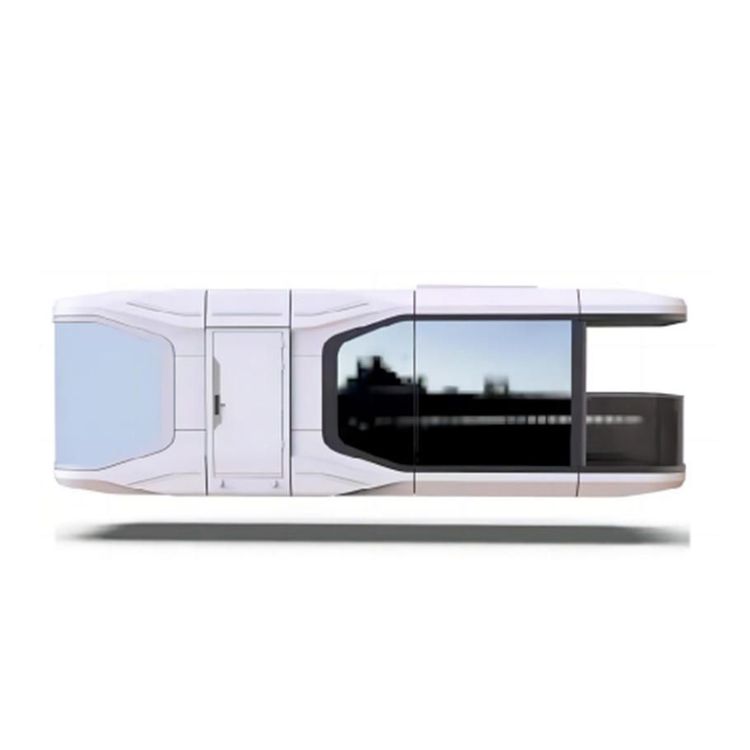
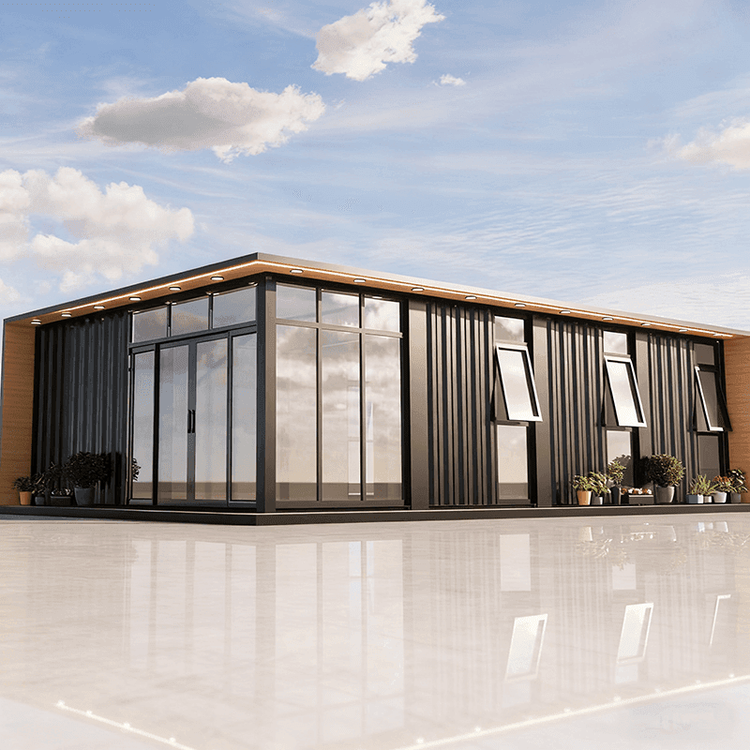
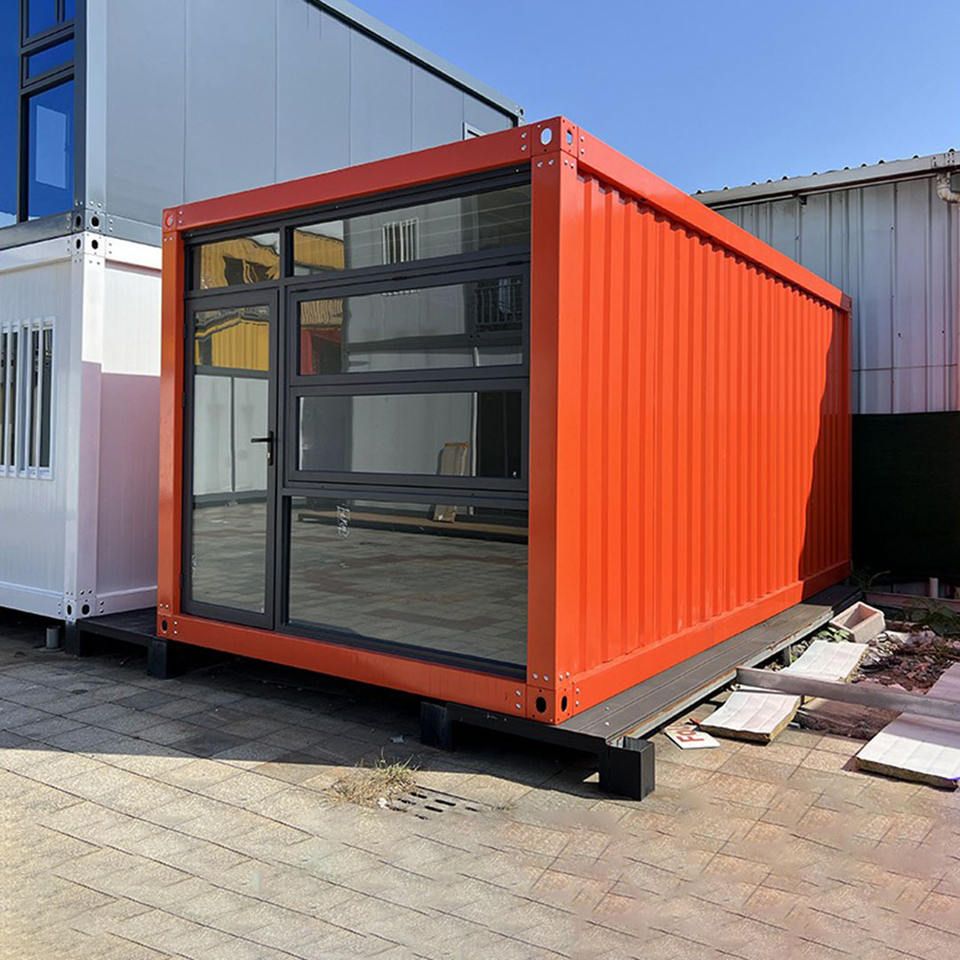
Prioritize suppliers that offer customization services to ensure that the house size, design layout, and exterior color meet specific needs. For example, adjust the positions of doors and windows, add partitions, or expand modules according to the usage scenario to meet different functional requirements such as living, office, or temporary space.
2. Material Quality
Pay attention to whether the core materials use a high-strength steel structure frame paired with high-quality sandwich panels (such as EPS or rock wool wall panels, PPGI + glass wool roof insulation layers). These materials combine corrosion resistance with structural stability, extending the house's service life and enhancing living comfort.
3. Waterproof and Thermal Insulation Performance
Verify whether the house has a waterproof design without the need for additional facilities, such as sealed joints, rust-proof treatment, and drainage systems. At the same time, check whether the thermal insulation layer is effective to ensure a comfortable temperature in both hot and cold regions, reducing energy consumption.
4. Service Life
Choose products with a designed lifespan of over 20 years, focusing on the steel structure's anti-corrosion treatment process (such as hot-dip galvanizing) and the weather resistance of the sandwich panels. Long-term use reduces maintenance costs and improves the return on investment.
5. Ease of Installation
Prioritize houses with a modular design that can be quickly assembled and disassembled with simple tools. Such structures are easy to transport and relocate, making them especially suitable for scenarios with high temporary or mobile demands (such as construction site dormitories and post-disaster reconstruction).
6. After-sales Service
Confirm whether the supplier provides online technical support, on-site installation guidance, and regular maintenance services. A comprehensive after-sales system reduces usage risks and ensures timely resolution of issues.
7. Certification and Warranty
Check whether the product has passed international certifications such as CE and confirm the warranty period (usually 1 year). Certification and warranty are important guarantees of quality and safety, avoiding subsequent disputes.
8. Cost-effectiveness and Sustainability
Container houses achieve low-carbon environmental protection by recycling used steel boxes and have a short construction period and low cost. Market trends in 2026 indicate that their cost-effectiveness and ecological advantages will become even more prominent, making them suitable for users with limited budgets and a focus on sustainability.
9. Lifestyle Adaptability
Choose the house type according to actual needs: if frequent movement is required, opt for a lightweight and foldable design; if used for long-term living, expand modules to increase space; if used as a temporary office, enhance sound insulation and ventilation performance.