
How to Choose a Mobile Single Toilet
When choosing a mobile single toilet, it is essential to consider the usage scenario and needs, focusing on six key aspects: positioning and demand matching, material and structural stability, privacy and safety, drainage and ventilation, portability and storage, and fabric durability. Here are the specific selection methods:
1. Positioning and Demand Matching
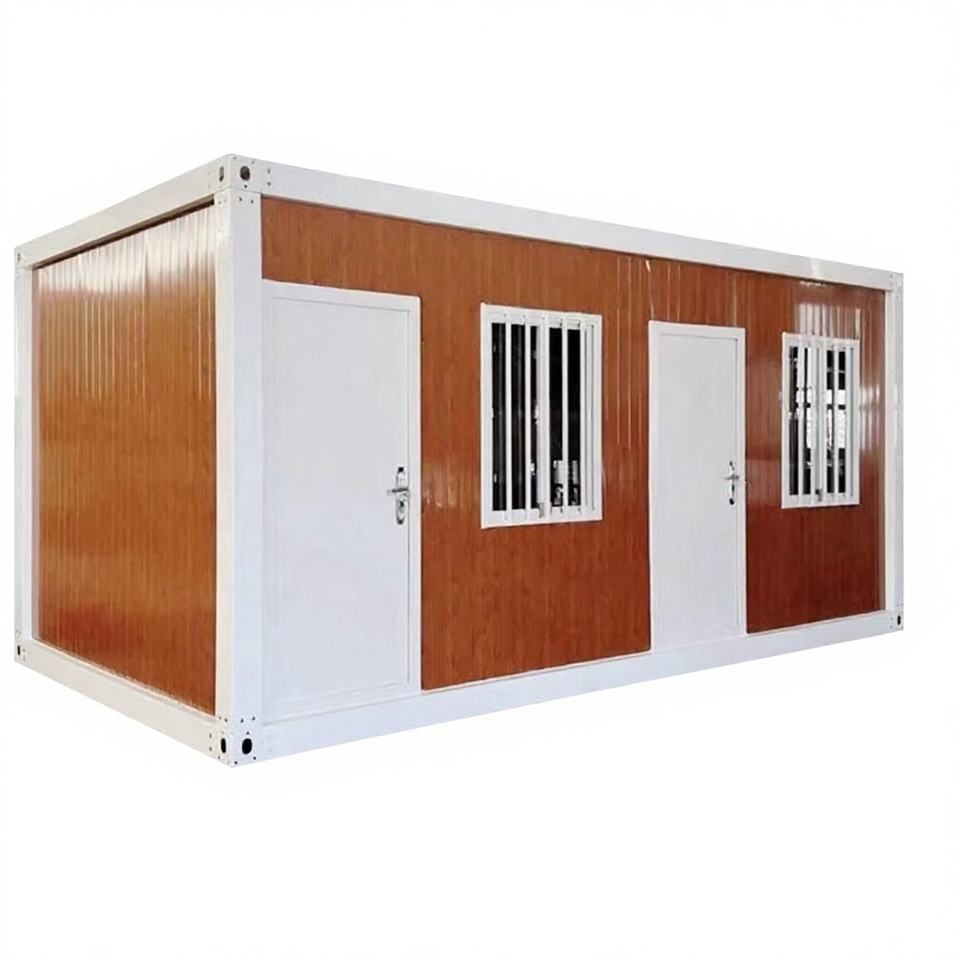
Clarifying the usage scenario is the first priority. For temporary construction sites, choose engineering-type mobile toilets with independent compartments, flushing devices, and sinks to meet the needs of multiple people using them frequently. For outdoor camping or hiking, lightweight tent-type toilets are preferred for their portability. For home care scenarios (such as for the elderly or pregnant women), choose portable toilet chairs with armrests, elevated designs, and non-slip footrests to ensure both safety and comfort. Regarding functional needs, whether flushing, sinks, lighting, and other facilities are required should be planned in advance to avoid functional redundancy or deficiency.
2. Material and Structural Stability
Engineering-type toilets should use high-strength materials, such as 100*100 galvanized square steel welded frames, to ensure wind and pressure resistance and adapt to complex environments. For tent-type toilets, pay attention to the frame material; aluminum alloy poles are superior to fiberglass. The joints and buckles at the connections should be tightly fitted, with complete ground stakes and wind ropes, and a thickened anti-scratch design at the bottom to extend the service life.
3. Privacy and Safety
For tent-type toilets, check the smoothness of the zippers, the double-layer design of the door curtains (non-transparent inner layer and anti-peeping coating outer layer), and the adjustability of the side window shades to ensure privacy. For home portable toilets, choose models with armrests and non-slip footrests at the bottom to reduce the risk of slipping when the elderly or pregnant women get up.
4. Drainage and Ventilation Performance
Tent-type toilets should have reasonably designed drainage holes and guide channels at the bottom, a rainproof breathable skylight on the roof, and adjustable ventilation openings on the sides to prevent stuffiness and water accumulation. Engineering-type toilets should be equipped with flushing systems and sewage pipes to ensure hygiene and convenience.
5. Portability and Storage
Tent-type toilets should be foldable, small in volume, and lightweight after folding, equipped with shoulder straps and compression bags for easy carrying to the wilderness or fitting into the trunk. For home portable toilets, pay attention to ease of movement, such as triple-seal designs to reduce odors, waterproof and easy-to-clean buckets for hassle-free cleaning.
6. Fabric and Durability
The outer tent of tent-type toilets should have a water-repellent PU coating, with seam sealing at the joints and thickened Oxford cloth at the bottom for scratch resistance. For home portable toilets, choose models with strong load-bearing capacity and waterproof materials, such as steel pipe structures and enlarged and thickened buckets, to avoid deformation after long-term use.
Scenario-based Recommendations: For temporary construction sites, choose engineering-type toilets, focusing on materials and sewage systems; for outdoor camping, choose tent-type toilets, prioritizing structural stability, strong privacy, and good drainage and ventilation (such as the Jingdong Jingzao outdoor changing and shower tent); for home care, choose portable toilet chairs, focusing on elevated designs, armrests, non-slip footrests, and ease of cleaning (such as the Miaoxin Si or Kangji brands).



