
How to Buy a Container House
Buying a container house requires a comprehensive consideration of needs, budget, quality, and compliance, selecting reliable suppliers through professional platforms, and paying attention to post-maintenance costs.
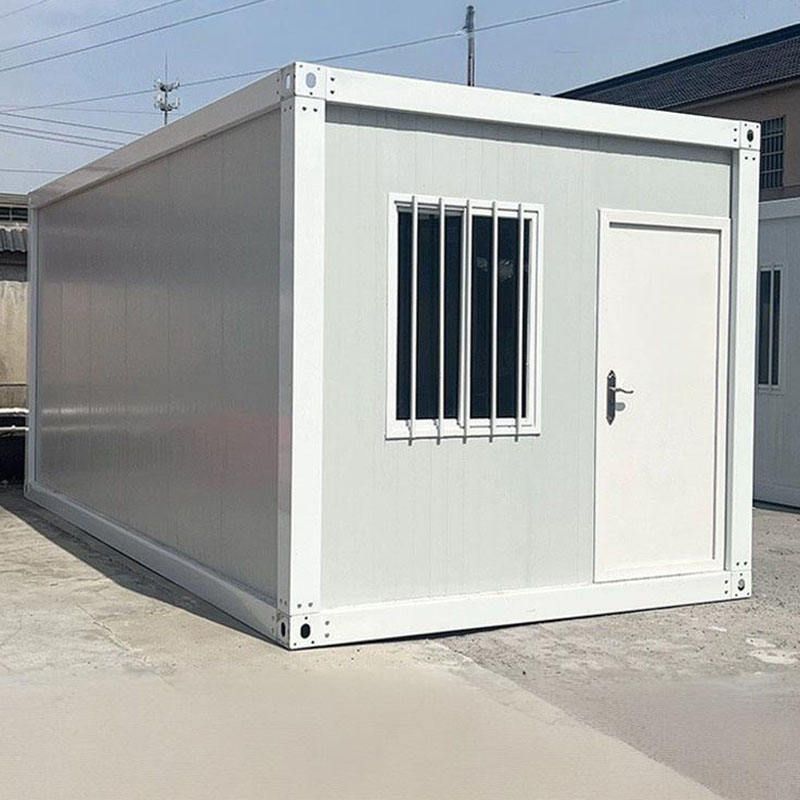
1. Clarify Needs and Budget
The price of container houses is significantly influenced by materials, design, scale, and functionality. There is a large cost difference between ordinary steel and lightweight steel. High-end custom design and construction costs are higher, while standardized products can reduce costs. Determine the scale of the house and functional configurations (such as electrical systems, thermal insulation, and waterproofing) based on the intended use (e.g., residential, office, commercial). Formulate a reasonable budget in conjunction with personal financial circumstances and set aside funds for post-maintenance. For example, the price of a basic 20-foot model ranges from approximately $268 to $335, while a luxury modular villa can cost between $20,000 and $30,000.
2. Select Reliable Suppliers
Choosing a professional manufacturer with full-chain capabilities in research and development, production, and sales is crucial. You can check supplier qualifications, project cases, and user reviews through industry platforms (such as Alibaba, 1688). Prioritize manufacturers with domestic and international certifications (such as ISO, CE) that offer project delivery and after-sales services. For example, Qinghai Guangzan Light Steel Housing Engineering Co., Ltd. can provide customized designs and ensure product quality, while Shanghai Jiarui Container Services Co., Ltd. has won market trust with its wide variety of products and reasonable prices.
3. Evaluate Quality and Performance
Focus on material quality, structural stability, and environmental adaptability. Materials must meet standards and have waterproof, thermal insulation, and fire-resistant properties. The structure should enable multiple disassemblies and reassembly through a welding-free quick-assembly process, with leading products averaging more than 8 disassemblies and reassembly cycles and reducing construction waste emissions by 90%. Additionally, consider wind and earthquake resistance to ensure safety and reliability under different climatic conditions. For example, the Z-type folding container house uses sturdy and environmentally friendly materials, is easy to install, and aligns with low-carbon recycling trends.
4. Comply with Regulations and Standards
There are restrictions on the use and construction of container houses in different regions. It is necessary to understand local policy requirements in advance to ensure that the product complies with building, fire, environmental protection, and other regulations. For example, cross-border projects need to meet the qualification certifications of the target country, while domestic projects need to align with circular economy and green construction policy guidelines.
5. Plan for Post-Maintenance
Reasonable layout and decoration can enhance comfort and practicality, while regular maintenance (such as checking the structure and replacing worn parts) can extend the service life. It is recommended to choose suppliers that offer full-lifecycle services to reduce operation and maintenance costs. For example, expandable modular houses reduce maintenance difficulty through standardized designs, while solar container houses lower long-term energy consumption by integrating new energy systems.



