
How to Build a Mobile Toilet by the River
The following steps and key points can be referred to when building a mobile toilet by the river:
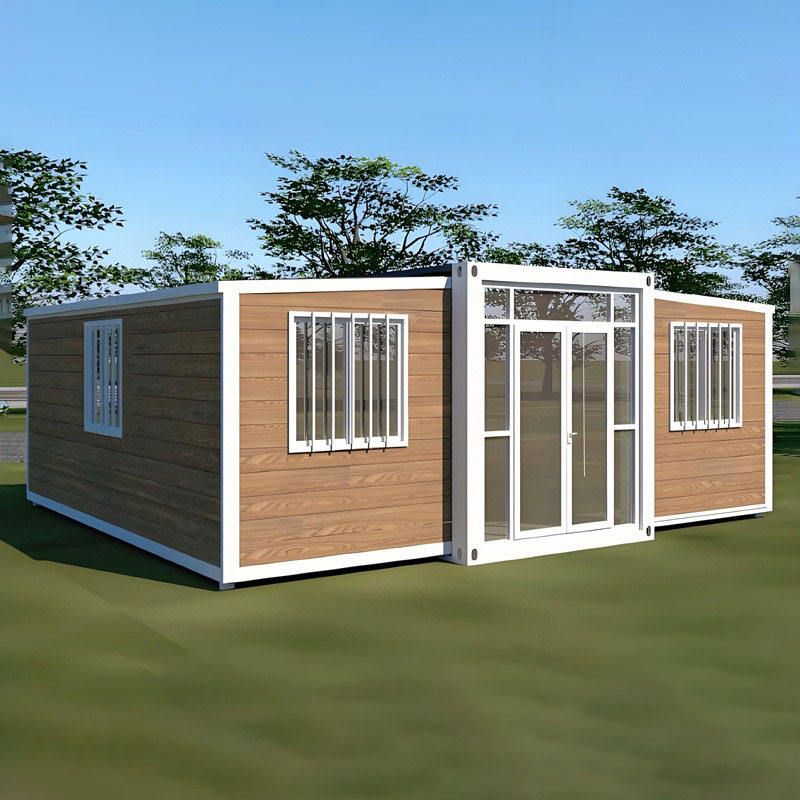
Site Selection: Comprehensively evaluate the convenience of the geographical location, the suitability of the surrounding environment, and the adequacy of space. Prioritize locations that are elevated and far from the river's floodplain to avoid flooding. Ensure that the foundation is deep enough and enhance stability through methods such as concrete pouring or steel pile reinforcement. Given the high humidity in riverside environments, focus on moisture-proofing, such as using waterproof coatings or laying moisture-proof membranes to prevent material corrosion or mildew.
Design and Planning:
- Functional Layout: Determine the scale of the toilet based on usage needs, reasonably divide the ratio of male and female areas, and reserve space for disabled facilities. For example, set up barrier-free access, handrails, and low-level washbasins.
- Structure and Materials: Choose corrosion-resistant and waterproof building materials, such as stainless steel plates as the main frame, paired with non-slip floors and waterproof roofs. The structural design should consider wind resistance, with the addition of diagonal braces or reinforced connectors.
- Drainage and Ventilation: The drainage system should be independent of natural water bodies, using septic tanks or sealed sewage tanks to treat waste and avoid direct discharge into the river. Ventilation design can combine natural ventilation with mechanical exhaust to reduce odor accumulation.
Infrastructure Construction and Installation:
- Underground Works: When laying sewage pipes, ensure a reasonable pipe slope to prevent blockages. Water, electricity, and gas lines should be protected with waterproof sleeves and equipped with leakage protection devices.
- Main Assembly: Weld walls, install floors and roofs according to the design drawings, and use high-strength bolts or electric welding to fix connections to ensure structural stability.
- Equipment Installation: Install water-saving toilets, sensor-activated faucets, and other environmentally friendly equipment, and equip with emergency lighting and firefighting equipment.
Inspection and Acceptance: After construction, conduct multiple inspections, including structural load-bearing tests, waterproof performance tests, and equipment function debugging, to ensure no leakage, electrical safety, and adequate ventilation before putting it into use.
Management and Maintenance: Establish a regular cleaning system, clean and disinfect the sewage tank daily. Check the operating status of equipment, promptly replace damaged parts, provide consumables such as toilet paper and hand soap, and set up usage instructions to guide users in proper use.



