
How to Build a Doorway for a Mobile Toilet
Building a doorway for a mobile toilet requires consideration of the overall installation requirements of the mobile toilet and the structural characteristics of the doorway. The key points include confirming the nature of the wall, following the installation specifications for the mobile toilet, properly planning the doorway dimensions, and handling details carefully.
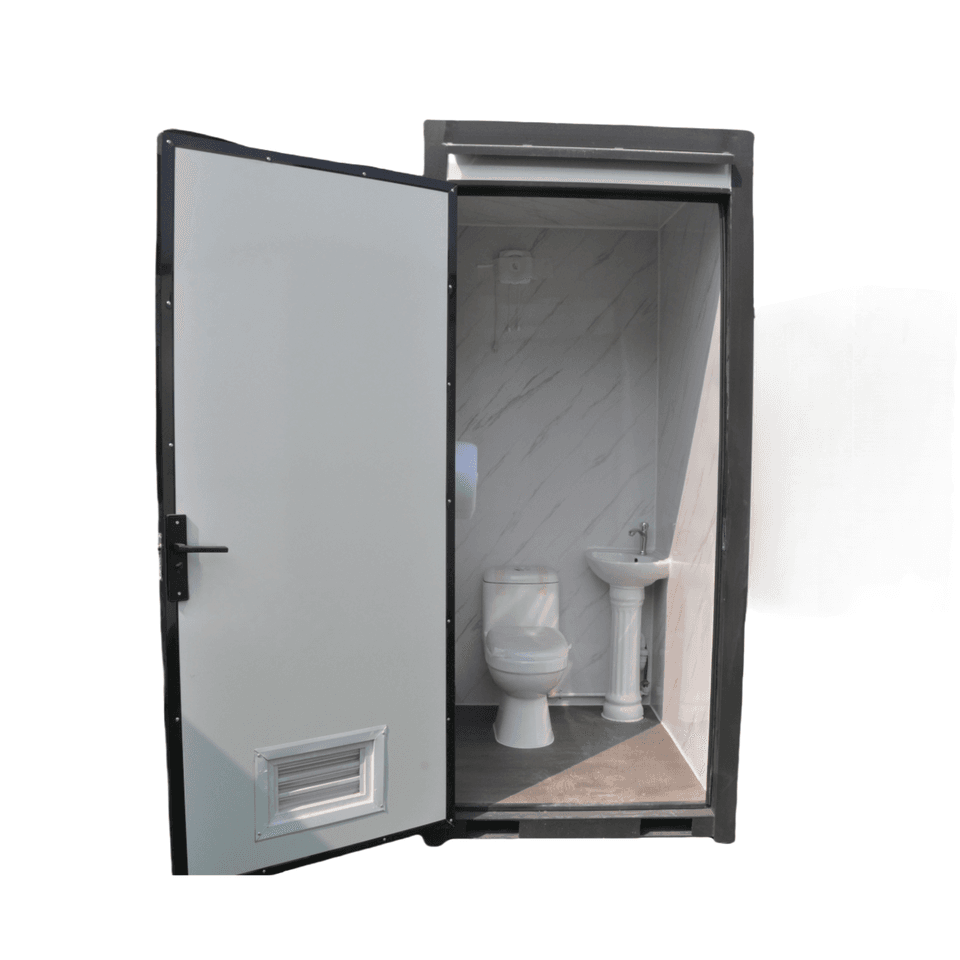
Confirming the Nature of the Wall
When constructing a doorway for a mobile toilet, the first consideration is whether the wall can be modified. If the doorway location involves moving or removing a wall, it must be confirmed whether the wall is a non-load-bearing wall. Only non-load-bearing walls allow for removal or relocation operations. If it is a load-bearing wall, arbitrary modifications can damage the building's structural integrity and lead to serious consequences. The nature of the wall can be determined by checking architectural drawings, consulting professionals, or using professional testing tools.
Following Mobile Toilet Installation Specifications
The installation of a mobile toilet has specific procedures and specifications. Before constructing the doorway, refer to the overall installation requirements of the mobile toilet. For example, during the site survey phase, it is necessary to confirm whether the ground's load-bearing capacity can support the combined weight of the mobile toilet and the doorway after construction, to avoid issues such as subsidence or cracking due to insufficient ground support. Additionally, the foundation should be treated according to basic construction specifications to ensure it is level and solid, providing a stable base for doorway construction. During the main assembly process, ensure that the connection between the doorway and the main body of the mobile toilet is secure, using appropriate connection methods and materials, such as bolts, to prevent the doorway from shaking or shifting during use.
Properly Planning Doorway Dimensions
Plan the doorway dimensions reasonably based on the usage needs and internal space layout of the mobile toilet. The doorway width should allow for normal personnel access and should generally not be too narrow to facilitate the smooth passage of people of different body types and those carrying items. The doorway height should also conform to ergonomic principles to avoid collisions due to excessive lowness. Additionally, consider the opening method of the mobile toilet door, such as a swing door or sliding door, as different opening methods have different requirements for doorway dimensions and space, which need to be planned in advance.
Handling Details Carefully
During the construction of the doorway, pay attention to detail handling. For example, the edges of the doorway should be made smooth and slip-resistant to prevent people from being scratched or slipping when entering or exiting. The perimeter of the doorway should be properly sealed to prevent rainwater, dust, etc., from entering the interior of the mobile toilet, affecting the usage environment and hygiene conditions.



