
How Long Can Container Houses Last
The lifespan of container houses typically ranges from 5 to 50 years, depending on their type, quality, usage environment, and maintenance conditions. Here is a detailed classification and analysis of influencing factors:
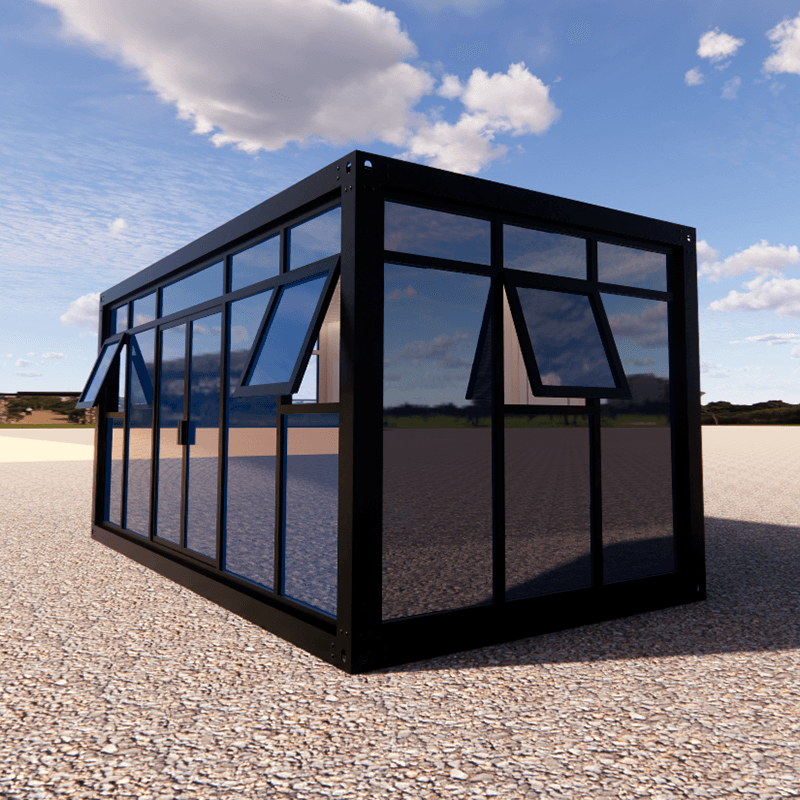
1. Lifespan Differences Among Various Types of Container Houses
- Simple Construction Site Container Houses: These are made with simple materials and processes, mostly used as temporary dormitories or warehouses on construction sites, with a lifespan usually not exceeding 5 years. Some low-cost products may experience fading, rusting, or even structural deformation within 2 years due to the use of thin steel plates or ordinary coatings.
- Modular Houses: These achieve accommodation and office functions through modular assembly, with better structural stability than simple types, and a lifespan of up to 5-20 years. Their core components (such as frames and walls) are designed in a standardized manner, facilitating maintenance and replacement.
- Box-Type Houses: These have a wide range of applications (such as tourist camps and commercial exhibition halls), with a general lifespan of 8-15 years. If special designs (such as reinforced frames and weather-resistant coatings) are adopted, they can last up to 25 years.
- Light Steel Villas: These use light steel structures as the main body, combined with thermal insulation and sound insulation materials, and can be used as semi-permanent buildings. After anti-corrosion treatment, their lifespan can reach 50 years, close to that of traditional brick-concrete houses.
- High-Quality Customized Container Houses: These use corrugated plates over 2mm thick, aluminum alloy or stainless steel materials, combined with fine craftsmanship (such as welded seals and multi-layer coatings), with a lifespan of up to 30 years. For example, a customized container office has been in use for over 25 years and remains in good condition due to its high-quality materials.
2. Core Factors Affecting Lifespan
- Material Type: Ordinary carbon steel containers have a lifespan of about 10-15 years, which can be extended to 20-25 years after hot-dip galvanizing or spraying anti-corrosion paint; aluminum alloy or stainless steel containers have a longer lifespan of 25-30 years or even longer due to their strong corrosion resistance.
- Usage Environment: Coastal or high-humidity areas accelerate metal corrosion, shortening the lifespan by 3-5 years compared to inland dry areas; extreme temperatures (such as severe cold or heat) may cause materials to expand and contract, leading to cracks; external forces such as earthquakes and strong winds can also directly affect structural integrity.
- Maintenance Conditions: Regular inspections (such as checking welds and coatings every six months), waterproofing treatments (such as roof leak repairs and wall moisture-proofing), and environmental protection measures (such as adding anti-corrosion coatings and installing sunshades) can significantly extend the lifespan. For example, a company has extended the actual lifespan of its container houses by 40% through annual comprehensive maintenance.
3. Usage Recommendations
For long-term use (such as over 10 years), it is recommended to choose light steel villas or high-quality customized container houses, and prioritize the use of corrosion-resistant materials such as aluminum alloy and stainless steel, while signing maintenance contracts to ensure regular upkeep; for temporary use only (such as 3-5 years), simple construction site container houses can be chosen, but their shorter lifespan and possible maintenance costs must be accepted.



