
How Long Can a Portable Toilet Last
The normal service life of a portable toilet is generally around 8 to 15 years, but the specific duration is influenced by various factors such as material, usage environment, and daily maintenance.
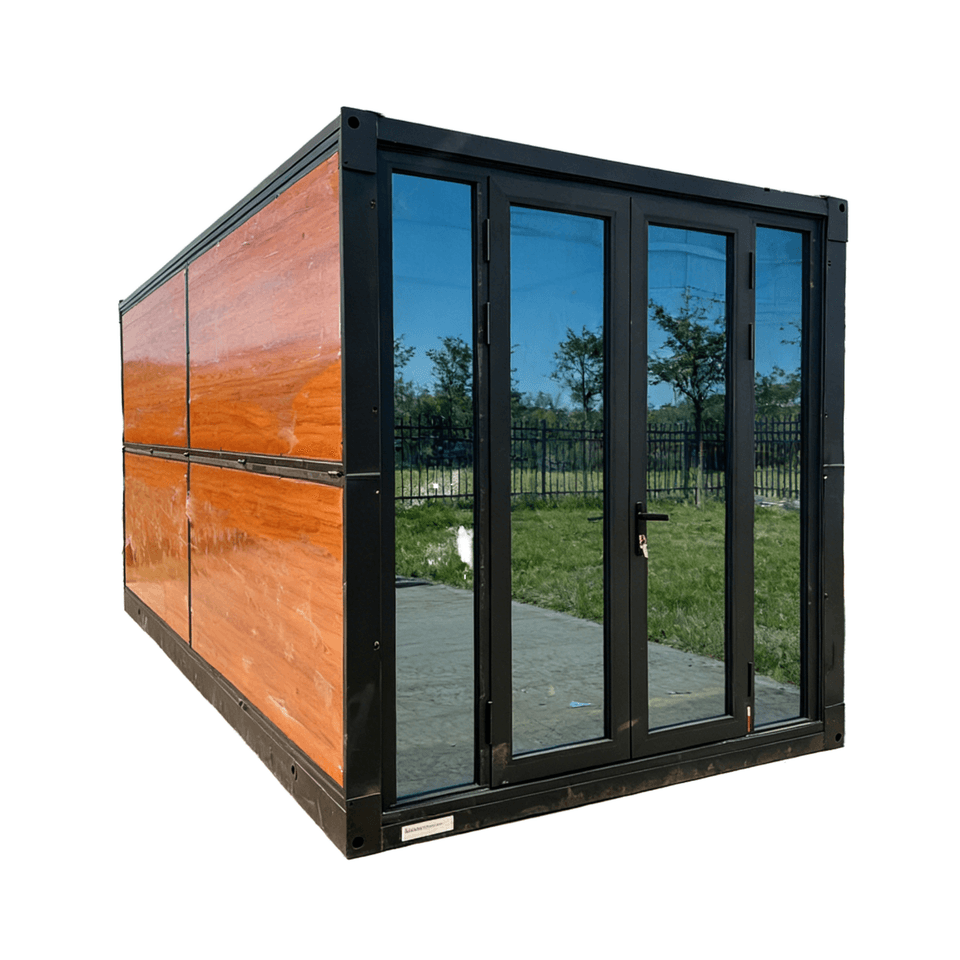
Material is a key factor affecting the lifespan of portable toilets: Portable toilets made of different materials have significantly different service lives. Plastic portable toilets are relatively lightweight and cost-effective, but they have poor durability and typically last around 8 years. Metal portable toilets, such as those made of stainless steel, are sturdy, durable, and highly corrosion-resistant. With proper use and maintenance, their service life can reach 10 to 15 years. Fiberglass-reinforced plastic portable toilets combine aesthetics and durability, with a general service life of about 10 years. Additionally, there are claims that the exterior walls of some portable toilets can last up to 30 years, but this may only apply to specific materials and special manufacturing processes for the exterior walls. There are also claims that fully equipped portable toilets made of color-coated steel plates, costing 800 yuan each, can have a service life of over 15 years, as the color-coated steel plate material to some extent ensures their long lifespan.
The usage environment has a significant impact on the lifespan of portable toilets: In areas with mild climates and moderate usage frequencies, portable toilets experience relatively less natural erosion and usage wear, resulting in a longer service life. However, under harsh climatic conditions, such as high humidity environments that can easily cause metal parts to rust and wooden parts to rot; strong winds that may pose a threat to the structural stability of portable toilets; heavy dust that can easily clog components and wear down surfaces; and drastic temperature changes that can cause materials to expand and contract, accelerating aging, all of these factors can shorten the service life of portable toilets. At the same time, portable toilets that are frequently used and subject to high usage intensities, such as those in tourist attractions and large event venues, also experience faster wear and tear.
Daily maintenance can effectively extend the lifespan of portable toilets: Regular cleaning of portable toilets can prevent the accumulation of dirt and the growth of bacteria, reducing corrosion to materials and components. Checking for component wear and promptly replacing aged or damaged parts can prevent minor issues from escalating into major failures. Timely repair of damaged parts, such as patching up broken exterior walls and replacing damaged door locks, can maintain the normal functionality of portable toilets, thereby effectively extending their service life.



