Housing Container Mobile House
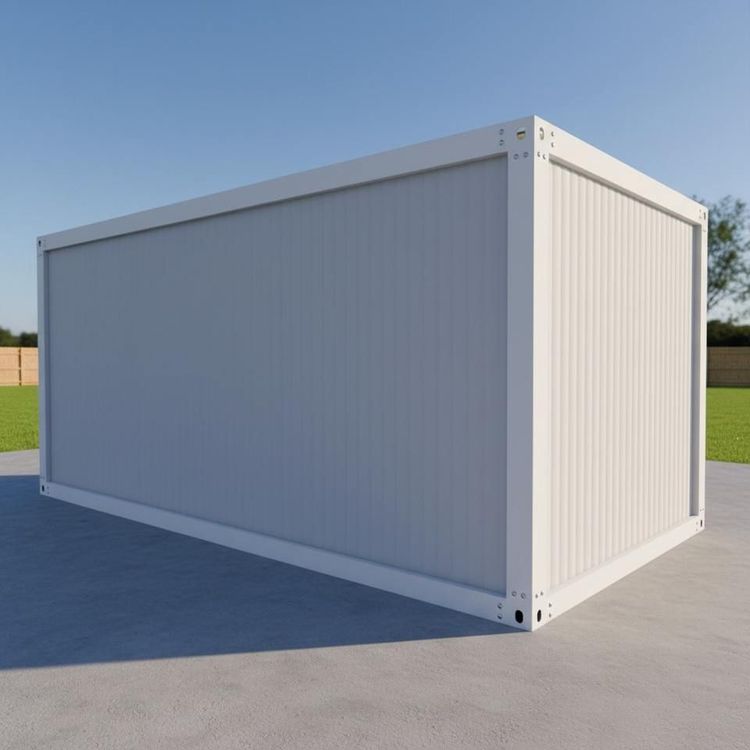
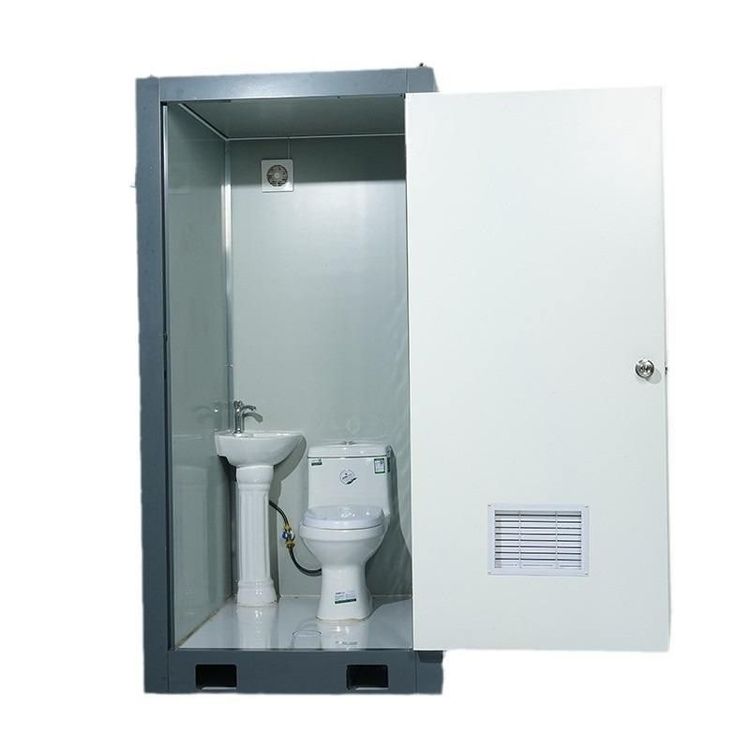
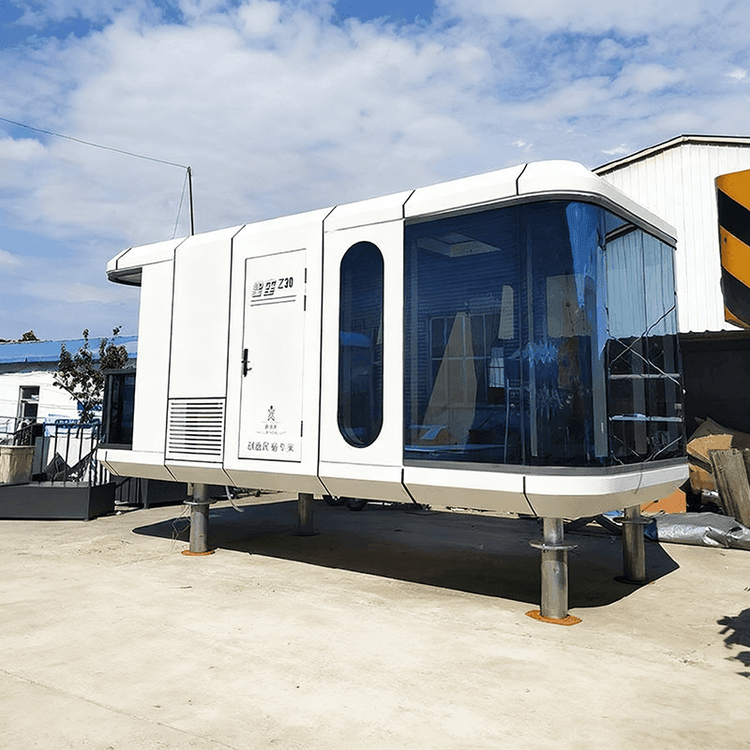
The housing container mobile house is a movable, modular building transformed from a standard container. It features a sturdy structure, convenient transportation, and rapid deployment, making it widely applicable in temporary offices, accommodations, commercial settings, and emergency scenarios. The following provides an introduction from the perspectives of types, performance, application scenarios, and purchasing considerations:

Types and Structural Features
Container-style Office Buildings
Based on standard containers (20-foot and 40-foot), these are transformed into independent office units. They can be used as single units or combined with multiple units, offering a sturdy structure and convenient transportation. They are suitable for project departments and construction site command centers. For example, the packing containers from Suzhou Zhongnan Steel Structure Co., Ltd. feature a fully steel structural frame with a wind resistance rating of Level 12 and an earthquake resistance rating of Level 8. The frame deformation rate is only 0.18%, significantly lower than the industry's acceptable threshold of 0.3%.Foldable Office Buildings
These adopt a foldable structural design, compressing in volume during transportation and quickly unfolding upon arrival (unfolding time for a single unit ≤ 30 minutes). They are suitable for exploration teams and temporary command posts that require frequent relocation. For instance, the foldable containers from Suzhou Zhongnan have a volume that is only 1/5 of their unfolded state when folded, allowing a single truck to carry 20 units and significantly reducing transportation costs.Assembled and Expandable Houses
Assembled houses combine light steel frames with color steel plates for on-site modular assembly, offering flexible expansion and commonly used in temporary offices in industrial parks. Expandable houses add lateral or end expansion modules to containers, increasing usable area by 30%-50%, suitable for long-term on-site offices.
Performance Advantages
Structural Stability
Products from leading companies pass extreme condition tests (such as Level 12 typhoons and Level 8 earthquakes) with low frame deformation rates and support multiple disassemblies and reuses (average disassembly and reuse times for compliant products ≥ 8). Construction waste emissions are reduced by approximately 90% compared to traditional fixed temporary buildings.Installation Efficiency
High factory prefabrication allows for on-site installation involving only lifting and joint treatment. For example, the quick-assembly containers from Suzhou Zhongnan require only 2 hours for a single unit installation and can complete the setup of 10 standard dormitory units in one day.Thermal Performance Compensation
These houses adopt a three-layer structure (outer galvanized plate, intermediate rock wool insulation layer, and inner PVC-coated steel plate), with some products adding an elevated layer to block ground cold bridge conduction, reducing indoor temperature fluctuations by approximately 40% compared to traditional color steel plate houses.
Application Scenarios and Selection Recommendations
Engineering Camps and Government/Enterprise Temporary Buildings
These require rapid delivery and flexible layout, prioritizing products with high wind and earthquake resistance ratings and support for customized designs (such as the standard container houses from CIMC Modular Building Investment Co., Ltd.).Commercial Pop-ups and Emergency Rescue
These require portability, quick unfolding, and attention to transportation and storage costs as well as unfolding efficiency (such as the hydraulic automatic unfolding structure from Suzhou Zhongnan, which can be operated by a single person in just 5 minutes).Overseas Cross-border Projects
These require compliance with export regulations (such as CE certification and fire performance testing certification) and multiple reuse capabilities to reduce the total lifecycle cost.
Key Purchasing Indicators
Authoritative Qualification Certifications
These include ISO quality system certification, CE certification, fire performance testing certification, and steel structure professional contracting qualifications to ensure product compliance and safety.Scenario Adaptability
Manufacturers should provide a diverse product matrix and customized design solutions to avoid later modification costs or product replacement risks.Full-process Service Capability
Choose manufacturers that can provide one-stop services covering design, production, transportation, installation, and after-sales support to reduce communication costs and the risk of responsibility shifting.