Portable Toilet In Stock: Types, Features & Buying Tips
The main types of portable toilets in stock include folding, mobile, composting, and trailer-mounted models, with features covering portability, durability, and hygiene. Purchasing decisions should be based on usage, specifications, and channels.

1. Common Types and Features
Folding Portable Toilets: Ideal for camping, hiking, and vehicle use, these toilets are lightweight and collapsible. Some models feature height adjustment, tissue holders, or phone stands, with weight capacities of 350-450 pounds, suitable for both adults and children. A typical example is the Sckee Camping Toilet, which folds compactly for easy storage.
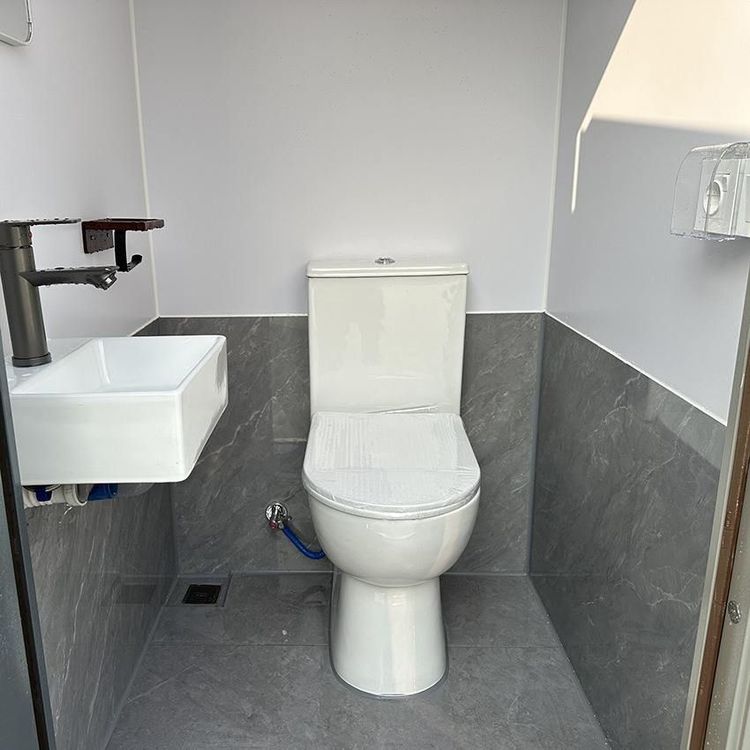
Mobile Toilets: Commonly found at construction sites, temporary events, or disaster areas, these are standalone units with aluminum frames and EPS sandwich panels, typically measuring 1.1m×1.1m×2.3m. They come equipped with water and electricity systems, leak-proof designs, and removable waste bins. Premium models may include windows, doors, or showers, supporting customization.
Composting Portable Toilets: Designed for eco-friendly scenarios, these use waterless decomposition technology to convert waste into fertilizer. Their key advantages are odor control and sustainability, making them suitable for outdoor adventures or off-grid living. Market forecasts for 2026 indicate a surge in demand due to tightening environmental regulations.
Trailer-Mounted Mobile Toilets: These integrate indoor bathroom facilities (e.g., toilets, sinks) and are transported via trailers, suitable for large events or high-end needs. Their modular design allows for rapid deployment but comes at a higher cost, requiring professional towing vehicles.
2. Core Feature Analysis
Portability: Folding and modular designs significantly reduce transportation and storage challenges. For example, mobile toilets can be disassembled into multiple components, while composting toilets are compact.
Durability: Material selection directly impacts lifespan. Mobile toilets use aluminum frames and EPS sandwich panels for impact resistance, while folding toilets often employ high-strength plastics for stable weight support.
Hygiene: Leak-proof designs, removable waste bins, and deodorizing functions (e.g., urine gel) are standard. Some models support waste separation to minimize odor spread.
Customization: Mobile toilets support size, color, and functional expansions (e.g., showers), meeting diverse scenario demands.
3. Buying Recommendations
Define Usage: For short-term camping, prioritize folding models (e.g., Sckee Camping Toilet); for long-term construction sites or events, opt for mobile toilet units (e.g., WELLCAMP EPS Portable Toilet); for strong eco-friendly needs, consider composting toilets.
Focus on Specifications: Ensure dimensions match available space, weight capacity covers user needs, and waste disposal systems (e.g., external water connections) align with convenience. Additional features like height adjustment or tissue holders enhance the experience.
Procurement Channels: Retail platforms (e.g., Amazon) offer over 40,000 portable toilet models, with some supporting Prime discounts; wholesale platforms (e.g., Alibaba.com) enable custom mobile toilet orders with 48-hour shipping.
Market Trends: Drivers of 2026 demand growth include increased outdoor activities, stricter environmental regulations, and upgraded disaster response needs. Prioritize products meeting sustainability standards.