House-style Container
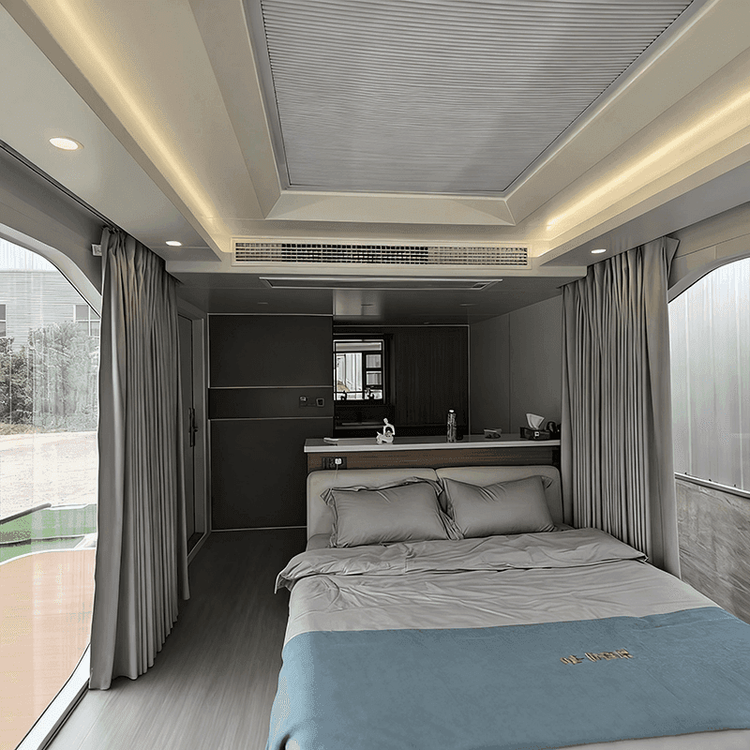
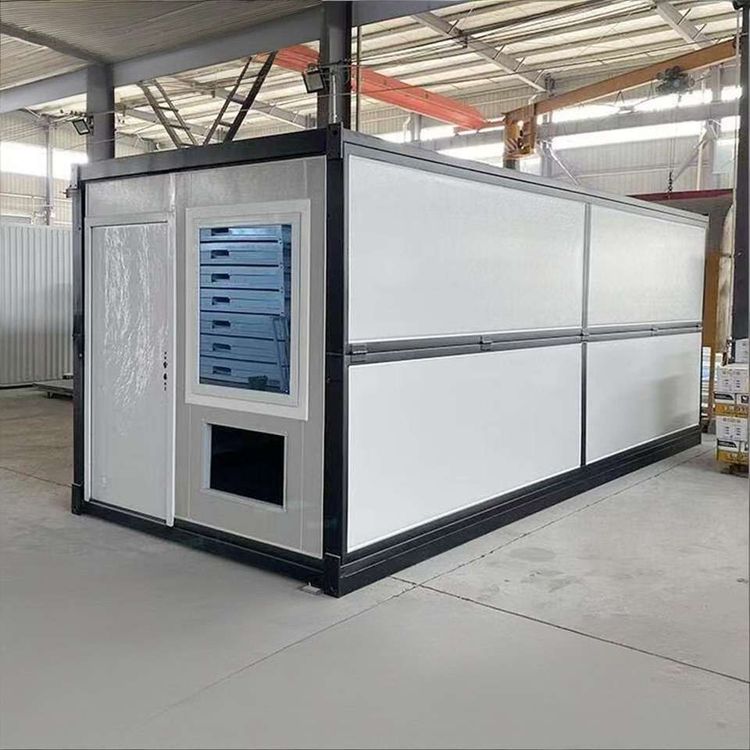
A house-style container is a modular building unit that uses a standard container as a carrier and is transformed to have residential or office functions. The following is an introduction from aspects such as structure, application scenarios, advantages, and disadvantages:

Structural Features
House-style containers are usually based on 20-foot or 40-foot standard containers and are transformed through structural reinforcement, interior decoration, and functional expansion. Their core frames are welded or bolted with high-strength steel to ensure overall stability. The interior can be equipped with thermal insulation layers, electrical systems, sanitary facilities, etc. according to needs. Some products also support lateral or end expansion to increase the usable area. For example, expandable container houses add expansion modules to the basic structure, and the usable area can be increased by 30%-50% after expansion.
Application Scenarios
- Temporary Accommodation: In large-scale events, disaster relief operations, or construction site camps, container houses can be quickly deployed as athlete dormitories, rest areas for relief workers, or temporary shelters for workers. For example, the Nagoya Asian Games used about 200 container houses to accommodate athletes, with each unit containing two bedrooms, a living room, and basic living facilities.
- Office Space: Container houses can serve as office spaces for project departments, temporary command centers, or commercial pop-up stores. Their modular design supports single-container use or multi-container combination to meet different scale requirements.
- Special Scenarios: In wilderness camps without water and electricity, container houses can integrate self-circulating sewage systems to treat gray water and black water through sewage collection tanks and microbial agents, achieving water resource recycling.
Advantages
- Structural Stability: The all-steel frame can withstand strong winds of up to Level 12 and earthquakes of up to Level 8, with a frame deformation rate much lower than industry standards.
- Convenient Transportation: Foldable container houses, when folded, have a volume only one-fifth of their expanded state. A single truck can carry 20 sets, significantly reducing transportation costs.
- Environmental Sustainability: The steel can be 100% recycled, and the disassembly and assembly loss rate is controlled within 5%, reducing construction waste generation.
- Rapid Deployment: A single container house can be installed in just 2-5 hours, supporting factory prefabrication and on-site quick assembly, shortening the project cycle.
Disadvantages
- Limited Space: The standard container has a height of only 2.2-2.5 meters, with narrow aisles, limiting the activities of tall people.
- Poor Sound and Thermal Insulation: The metal walls easily conduct sound and heat, requiring additional installation of soundproof cotton or thermal break structures to improve performance.
- Low Comfort: Some products are only equipped with one air conditioner, and the ventilation is insufficient in hot and humid environments, affecting the living experience.