
House Renovation: Prefabricated and Cast-in-Place Options
In house renovation, the choice between prefabricated and cast-in-place options requires a comprehensive consideration of construction methods, performance, cost, and applicable scenarios. Cast-in-place structures offer good overall integrity but come with high costs, while prefabricated construction is faster but requires careful attention to joint treatment. A combined approach can balance safety and cost-effectiveness.
1. Differences in Construction Methods
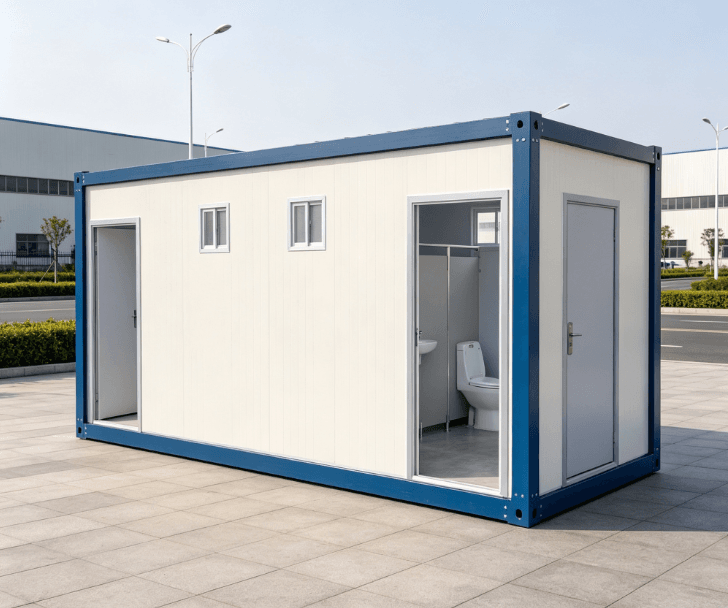
Cast-in-place construction is akin to “making a cake on-site”: workers first erect formwork, tie steel reinforcement, then pour concrete and wait for it to solidify, ultimately forming an integrated structure of beams, columns, and floor slabs. Prefabricated slab construction, on the other hand, resembles “playing with Lego blocks”: standardized cement slabs are produced in factories in advance and then transported to the construction site for direct assembly. Cast-in-place requires on-site wet work with complex procedures, while prefabricated slabs involve dry work, offering higher construction efficiency.
2. Comparison of Key Performance Characteristics
Due to integral pouring, cast-in-place structures exhibit significantly better earthquake resistance and crack resistance compared to pure prefabricated slabs. Pure prefabricated slabs are prone to cracking due to poor inter-slab connections or temperature changes, especially in seismic environments. However, by adopting a “prefabricated slab + cast-in-place strip” combined solution (i.e., setting a 15-20 cm wide cast-in-place concrete strip above load-bearing walls and at the joints of prefabricated slabs), scattered prefabricated slabs can be “locked” into an integrated whole, greatly enhancing structural safety. Note: The cast-in-place strip must cover all joint seams; otherwise, the crack prevention effect will be compromised.
3. Cost and Schedule Analysis
Prefabricated slab construction, with its factory-based production and rapid on-site assembly, incurs lower labor and material costs, typically shortening the construction period by 30%-50% compared to cast-in-place. Cast-in-place construction requires on-site formwork erection and curing, resulting in higher costs and longer schedules. However, a combined solution (prefabricated slabs + cast-in-place strips) can balance cost and safety: prefabricated slabs reduce the main structure cost, while cast-in-place strips ensure structural stability, with overall expenses still lower than pure cast-in-place and a shorter construction period than pure cast-in-place.
4. Recommendations for Applicable Scenarios
- Scenarios requiring cast-in-place: High-rise residential buildings (needing high earthquake resistance), large-span spaces (such as living rooms), and bathrooms (with high waterproofing requirements).
- Scenarios where prefabricated options can be selected: Temporary buildings, projects with extremely tight budgets (such as rural low-rise residences), but strict joint waterproofing treatment must be carried out (e.g., applying waterproof coatings, laying waterproof membranes).
- Recommended combined solution: Most renovation projects can adopt the “prefabricated slab + cast-in-place strip” approach, controlling costs while meeting safety requirements.
5. Key Points for Selecting Prefabricated Slabs
- Type: Prioritize “prestressed hollow slabs” (with circular holes in the middle), which offer sufficient load-bearing capacity and light weight, avoiding solid slabs (prone to cracking and increasing floor loads).
- Grade: Choose “national standard compliant products”; non-standard slabs may have hidden dangers such as steel reinforcement corrosion and insufficient concrete strength.
- Appearance: Check for cracks or chipped corners on the slab body, and ensure the concrete at both ends is dense (can be tested by lightly tapping with a small hammer). It is recommended to purchase directly from reputable prefabricated slab factories to avoid second-hand or refurbished slabs.



