House Conversion: Types, Features & Buying Tips
The types and features of house conversion include dedicated spaces, multifunctional rooms, and outdoor area expansions that adapt to new lifestyles. When purchasing a home, it is essential to clarify needs, set a budget, and prioritize properties that align with current living trends.
Types and Features of House Conversion
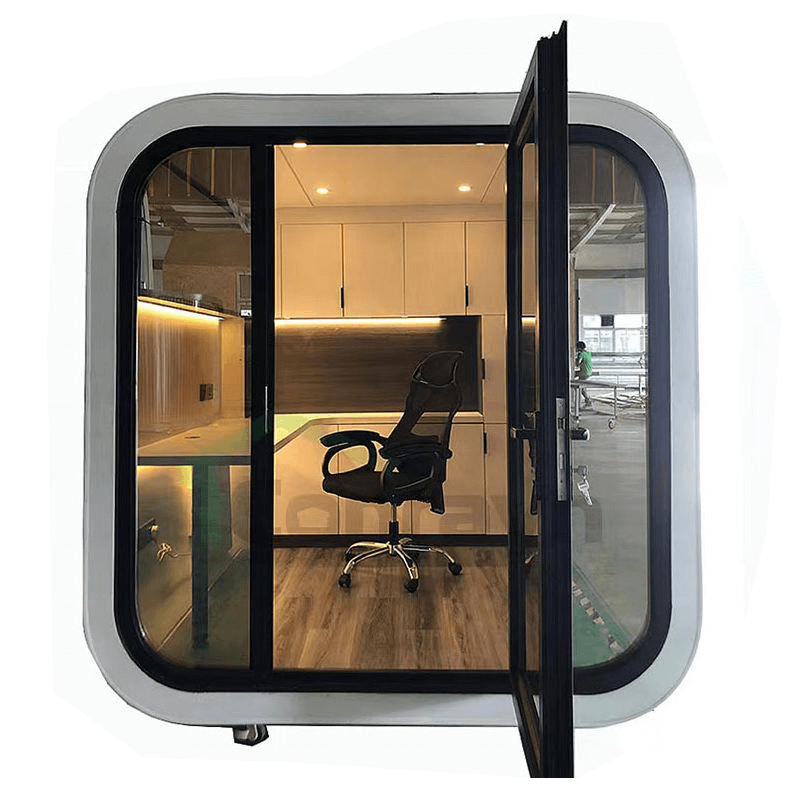
Driven by changes in lifestyle, house conversion trends focus on functionality and flexibility. Dedicated workspaces have become a key requirement, such as studies or offices with separate doors that ensure privacy and minimize disruptions from household activities. Multifunctional rooms are increasingly common, allowing a single space to flexibly transform into a remote learning area, family meeting room, or entertainment zone to meet diverse needs. Outdoor area expansions are also a significant direction, including adding balconies, enlarging yards, or creating rooftop gardens, which enhance living comfort and align with post-pandemic preferences for nature contact. Additionally, open layouts are gradually being replaced by segmented spaces, with functions divided by partitions or independent areas to reduce noise interference and support simultaneous activities by family members.
Practical Tips for Home Buying
- Clarify needs: Determine the type of property (e.g., apartment, townhouse, or detached house) based on family structure, career requirements, and future plans, focusing on the number of bedrooms and bathrooms, community environment, yard size, and transportation accessibility. For example, families with school-age children should consider nearby school resources, while remote workers should prioritize properties with dedicated office spaces.
- Set a reasonable budget: In addition to the down payment, reserve funds for closing costs, monthly mortgage payments, and daily expenses. It is advisable to apply for mortgage pre-approval in advance to clarify the loan amount and utilize first-time homebuyer programs (e.g., Canada's FHSA or HBP) to alleviate financial pressure.
- Prioritize properties that fit living trends: Check if the property has renovation potential, such as underutilized basements that can be converted into home theaters or gyms, or attics that can be planned as guest rooms or studios. Also, inspect the completeness of outdoor facilities, such as balcony load capacity and yard drainage, to ensure feasibility for future renovations.
By combining functional needs with financial planning, homebuyers can more efficiently filter properties that meet current living scenarios while offering long-term adaptability, balancing practicality and living experience.