Back to blog
Article
House Container Homestay Decoration
Admin September 15, 2026
The decoration of house container homestays can be diverse, ranging from simple and practical to high-end and exquisite, meeting the needs of different scenarios. Here are the specific decoration points:

Exterior Design
- Preserve Container Characteristics: Retain the tough lines and metallic texture of the container, such as the iconic corrugated metal exterior walls, to showcase an industrial aesthetic style. For example, a container homestay in the forest features a black main body paired with wooden doors and windows, creating a contrast between cold and warm tones, and adding windows on the side of the door for a lively touch.
- Color Matching and Layout: Use classic and simple color tones like black, white, and gray to highlight minimalism. Through a staggered arrangement, such as some placed horizontally and others stacked vertically, form a building shape with ups and downs and a rich sense of hierarchy, increasing visual impact while creating multiple terraces and balconies.
- Blend into Natural Landscapes: Arrange green plant landscapes around the building, transform the container roof into a green garden, and plant succulents, herbaceous flowers, and small shrubs to add greenery, provide thermal insulation, and achieve harmony between the building and nature.
Interior Space
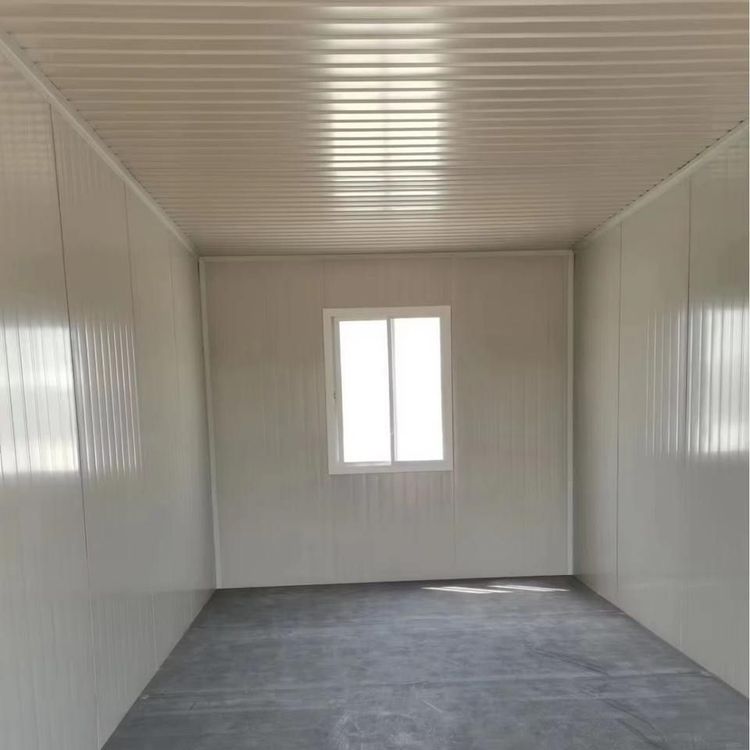
- Basic Decoration: Walls can be covered with wall panels, and floors can use different materials such as wooden floors and self-leveling cement. For high-end homestays, install ceilings and reserve positions for air conditioners and hot water equipment. Most interior decoration work is completed in the factory to reduce on-site construction.
- Functional Zoning: Reasonably divide functional areas such as living rooms, kitchens, bathrooms, and bedrooms. For example, some container homestays have living rooms and kitchens on the first floor and guest rooms and studios on the second floor; small container homestay hotels have sanitary facilities and guest rooms downstairs and guest rooms and shared terraces upstairs.
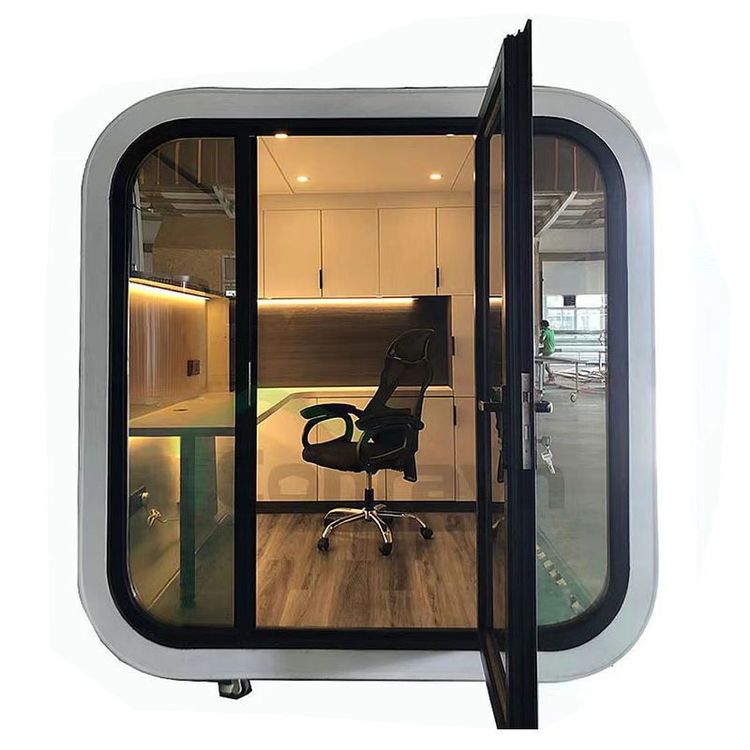
- Furniture and Decoration: Select lamps and furniture in appropriate styles and incorporate distinctive elements. For example, the bedroom of a container homestay in Cape Town incorporates elements from the Victorian era, and the bathroom is equipped with brass claw-foot faucets to enhance the guest experience. You can also use birch plywood to make walls, ceilings, and custom furniture, and use natural linoleum in different colors and industrial lighting to decorate details and distinguish rooms.
Related