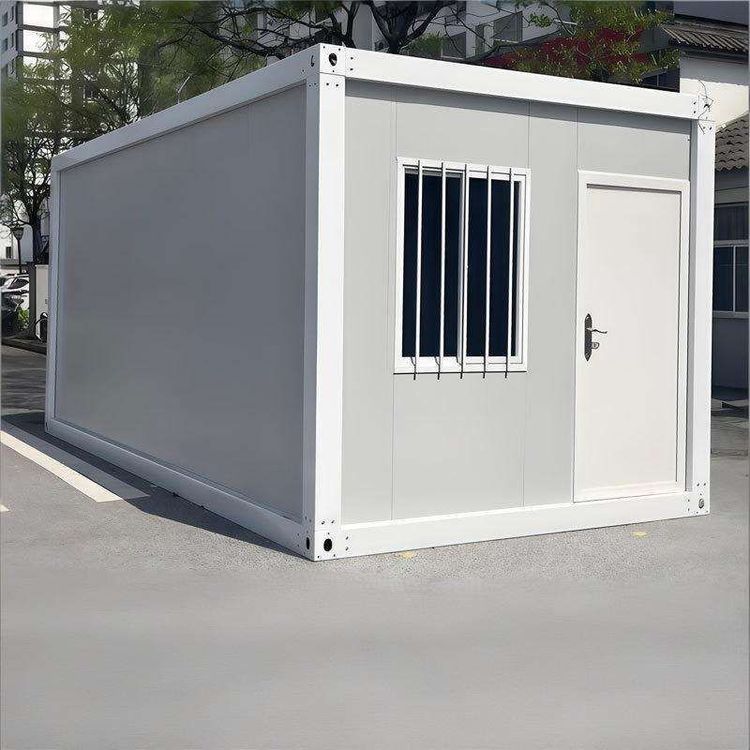
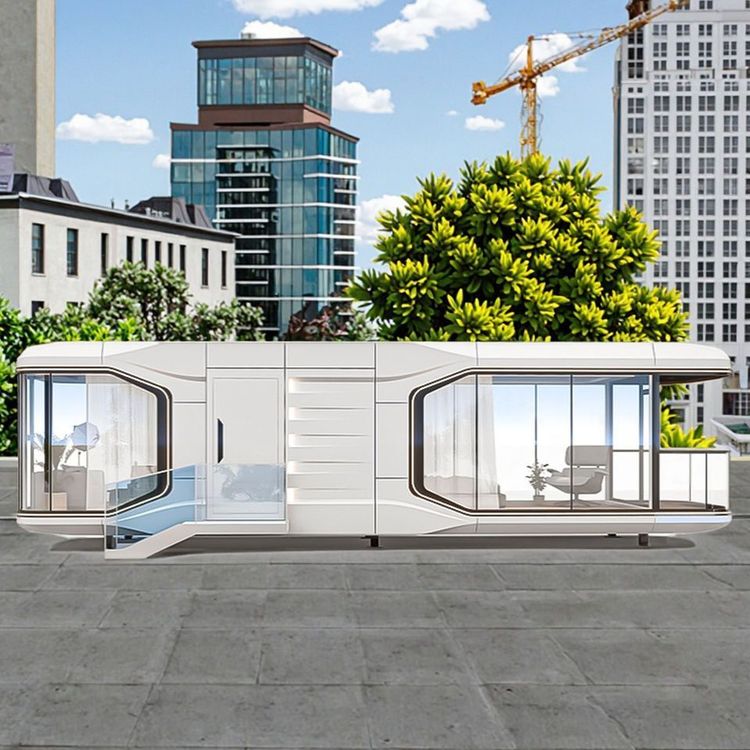
Homestay Mobile Toilet Project
The Homestay Mobile Toilet Project is an engineering system that combines modular design, integrated technology, and environmental protection concepts to provide efficient, flexible, and low-carbon sanitation facility solutions for homestay scenarios. Its core content can be elaborated from the following aspects:

1. Product and Service Model
This project relies on the full-process services provided by professional companies, covering scheme design, product customization, transportation, installation, and post-maintenance. The service scenarios are not limited to homestays but can also extend to urban management, commercial activities, etc. However, personalized adjustments are made according to the needs of homestays. For example, based on the topographical characteristics of the homestay location (such as mountain tops or lakesides) or its operational model (such as water-based homestays), an appropriate mobile toilet structure is designed to ensure functional and landscape coordination.
2. Technical Principles and Structural Innovation
Mobile toilets adopt modular design and integrated technology. The main structure features a high-strength hot-dip galvanized steel frame paired with an aerospace-grade aluminum alloy shell, balancing strength and lightweight requirements. The shell is covered with multiple layers of polymer thermal insulation materials, enabling adaptation to extreme temperature variations. Some high-end products integrate a whole-house AI intelligent system, supporting voice or mobile phone remote control of lighting, ventilation, and other equipment; the off-grid survival mode achieves energy self-sufficiency through photovoltaic power generation and water circulation systems, reducing reliance on external infrastructure. For example, the combination of photovoltaic panels and energy storage systems can reduce carbon emissions by 1.2 tons per toilet annually and lower energy costs by 55% compared to traditional toilets.
3. Targeted Optimization for Application Scenarios
- Land-based Homestays: For areas difficult to reach with traditional construction (such as mountains or forests), mobile toilets can be prefabricated as a whole and quickly deployed through lifting, avoiding damage to the natural landscape.
- Water-based Homestays: Adopting a pontoon design, they are fixed on the water surface through an anchoring system and equipped with sewage collection devices to prevent water pollution, meeting environmental protection requirements.
- Emergency Scenarios: In natural disasters or temporary events, mobile toilets can be deployed within 48 hours to quickly restore basic sanitation services.
4. Design Advantages and Environmental Benefits
- Efficiency Improvement: Traditional fixed toilet construction takes 3-6 months, while mobile toilets achieve "immediate deployment and operation," significantly shortening the construction period.
- Low-carbon Operation: By replacing concrete with environmentally friendly polymer composite materials, resource consumption is reduced; microbial degradation technology converts sewage into harmless fertilizer, avoiding secondary pollution.
- Cost Optimization: Maintenance costs are reduced by 70% compared to traditional toilets, mainly due to the modular design facilitating localized repairs and the water circulation system reducing water consumption.
In summary, the Homestay Mobile Toilet Project achieves a balance between efficiency, environmental protection, and economy through technological innovation and scenario adaptation, providing a sustainable sanitation facility solution for the homestay industry.