Back to blog
Article
Home Portable Toilet Rental
Admin September 21, 2026
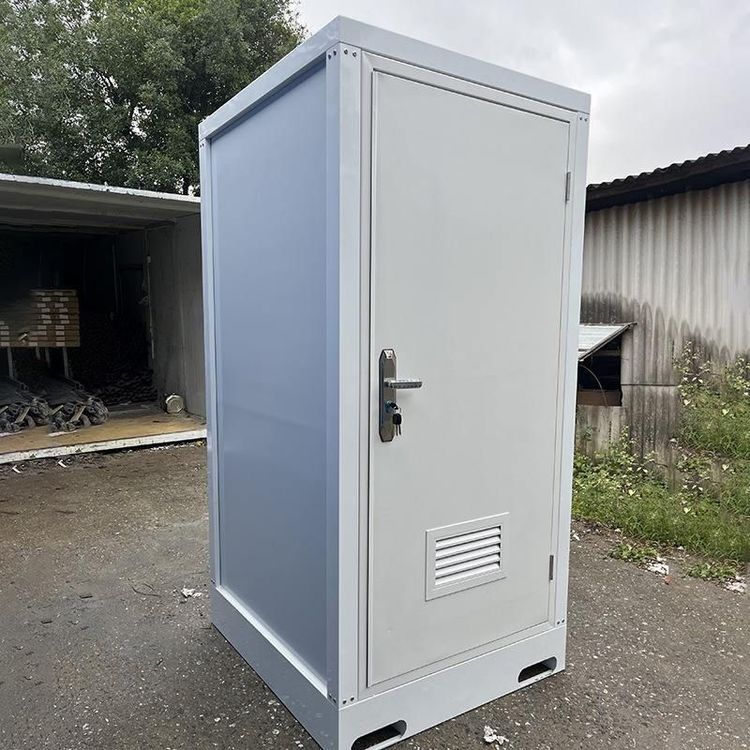
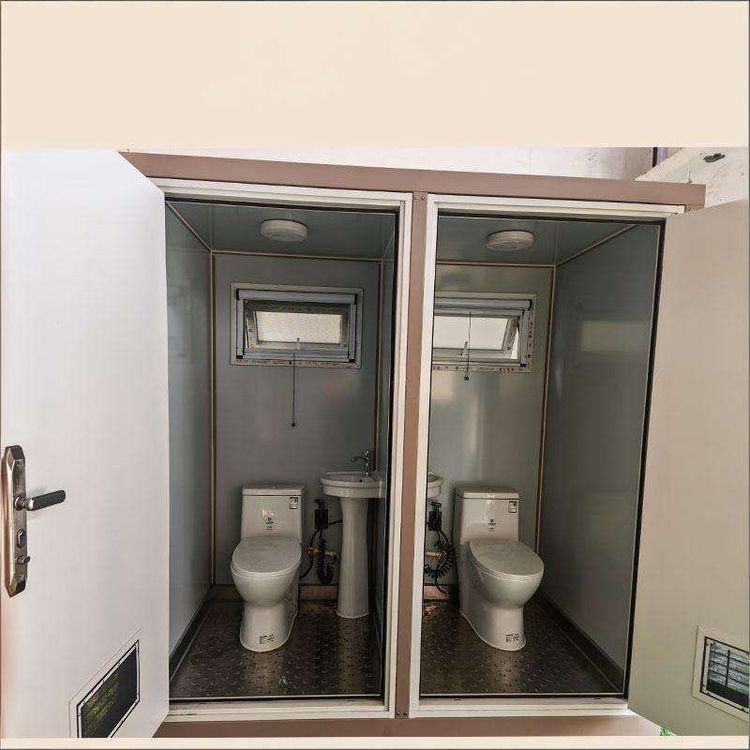
Home portable toilet rental provides a solution for portable sanitation facilities for temporary or short-term needs, suitable for scenarios such as family gatherings, outdoor activities, and renovations. When renting, it is necessary to comprehensively consider factors such as usage scenarios, hygiene conditions, costs, installation, and environmental protection.

1. Matching Usage Scenarios
Select the type of toilet based on the type of activity:
- Family Gatherings/Small Events: Prioritize lightweight, easy-to-install single or double-seat toilets to meet basic needs.
- Outdoor Camping/Construction Sites: Focus on portability and choose models with wheels or that are detachable for easy movement and reuse.
- During Renovations: Choose durable, rust-resistant materials to avoid damage due to the construction environment.
2. Ensuring Hygiene Conditions
- Cleaning and Disinfection: Confirm whether the rental company provides regular cleaning services and is equipped with disinfection equipment and cleaning tools (such as brushes and disinfectants) to prevent odors and bacterial growth.
- Sewage Disposal Design: Choose toilets with effective sewage disposal systems, such as septic tanks or models connected to municipal sewage pipes, to ensure timely cleanup after use.
3. Rental Costs and Terms
- Billing Method: Usually billed by the day or week, with prices varying based on specifications and service content (such as cleaning frequency). For example, the daily rental for a basic model may be as low as 9 yuan, but confirm whether it includes basic services such as delivery, installation, and water replacement.
- Deposits and Additional Fees: Deposits are generally 1-2 times the rental fee. Clarify refund conditions before signing the contract to avoid hidden clauses such as 'cleaning fees' or 'damage fees.'
- Overdue Usage and Early Termination: The contract should specify the charges for overdue usage and the calculation method for early termination penalties, and retain pickup and return receipts.
4. Installation and Environmental Requirements
- Installation Conditions: Choose a flat surface and ensure that drainage facilities (such as septic tanks or drainage pipes) are in place to prevent equipment tilting or damage due to uneven ground.
- Environmental Design: Prioritize water-saving or biodegradable toilets to reduce water consumption and environmental pollution, suitable for long-term outdoor use.
5. Contract and Qualification Review
- Matching Equipment Models: Choose specifications based on the number of people (e.g., single-seat for fewer than 50 people) to avoid excessive rental costs.
- Contract Details: Carefully review hidden items such as 'equipment maintenance fees' and 'insurance fees,' clarify whether minor scratches on the equipment are considered damage, and define liability for force majeure factors.
- Company Qualifications: Choose a rental company with a proper business license and conduct on-site inspections or view samples to ensure the facilities meet expectations.
Related