
Highway Mobile Toilet
Highway mobile toilets are portable toilet facilities specifically designed for highway scenarios, featuring diverse materials and flexible sewage disposal methods to meet the restroom needs in various settings along highways.
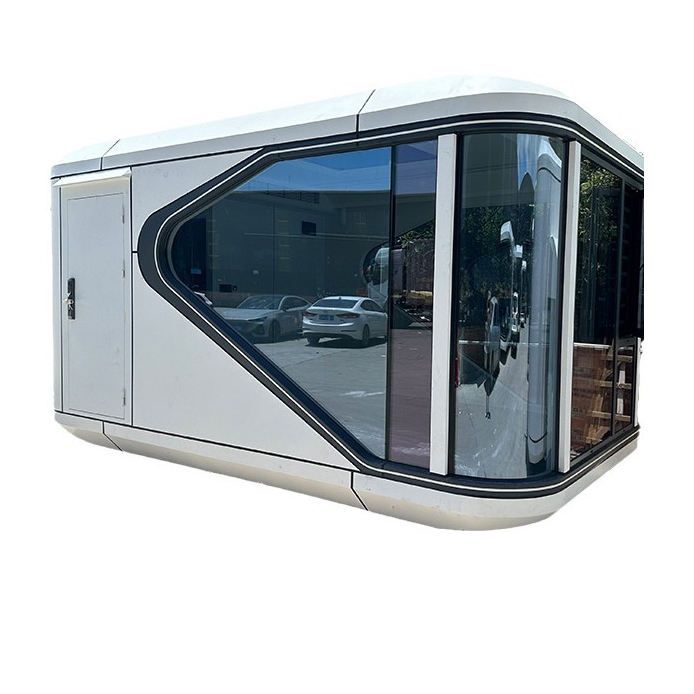
Material and Structural Features
Highway mobile toilets offer a wide range of material options, commonly including aluminum-plastic panels, metals, color-coated steel, and steel structures. For example, the 28-unit early morning toilets ordered for highways in Tibet are entirely made of galvanized steel. This material is corrosion-resistant and highly strong, enabling it to adapt to the complex climatic conditions along highways, such as strong winds, sandstorms, or low temperatures in high-altitude areas. Some products also incorporate anti-rust treatments or insulation layer designs to further enhance durability and applicability.
Sewage Disposal Methods and Technologies
Their sewage disposal methods mainly fall into two categories:
- Vacuum self-priming type: By generating negative pressure with a vacuum pump, it quickly sucks excreta into storage tanks, reducing odor diffusion. This method is suitable for service areas or transportation hubs with high pedestrian traffic.
- Mechanical packaging type: Using mechanical devices to package excreta into sealed blocks without the need for flushing, this method is applicable to water-scarce areas or regions with strict environmental requirements, such as plateaus and desert highways.
In addition, emergency urine bags can serve as a temporary supplementary solution. Their bag openings are designed with a curve, suitable for both men and women. The interior is filled with absorbent sand that can rapidly solidify liquids. With a large capacity and strong sealing property, they effectively prevent side leakage and are suitable for emergency use during highway traffic jams or in remote road sections.
Application Scenarios and Product Selection
The deployment of highway mobile toilets should be based on specific scenario requirements:
- Service areas/toll stations: Priority should be given to vacuum self-priming or large steel-structured toilets to meet high-frequency usage demands.
- Remote road sections/construction areas: Mechanical packaging or galvanized steel toilets are more suitable, reducing maintenance costs.
- Emergency scenarios: Emergency urine bags can be quickly distributed to alleviate temporary restroom pressure.
Manufacturers and Product References
Several domestic enterprises offer highway mobile toilet solutions, such as Cangsheng and Xiang'antong, with products covering various materials and sewage disposal types. Users can select appropriate models based on budget, usage frequency, and environmental conditions. For example, in the case of highways in Tibet, the 28-unit early morning toilets made of galvanized steel balance durability and cost-effectiveness.
Highway mobile toilets effectively solve the problem of difficult restroom access along highways through modular design and flexible deployment. The diversity of their materials and technologies also provides customized options for different scenarios.



