Hengshui Residential Container House
Hengshui residential container houses are modular temporary or permanent residential buildings transformed from containers, featuring convenience, flexibility, and cost-effectiveness, but requiring attention to material fire safety.

I. Product Types and Functions
Residential container houses in Hengshui mainly fall into two categories:
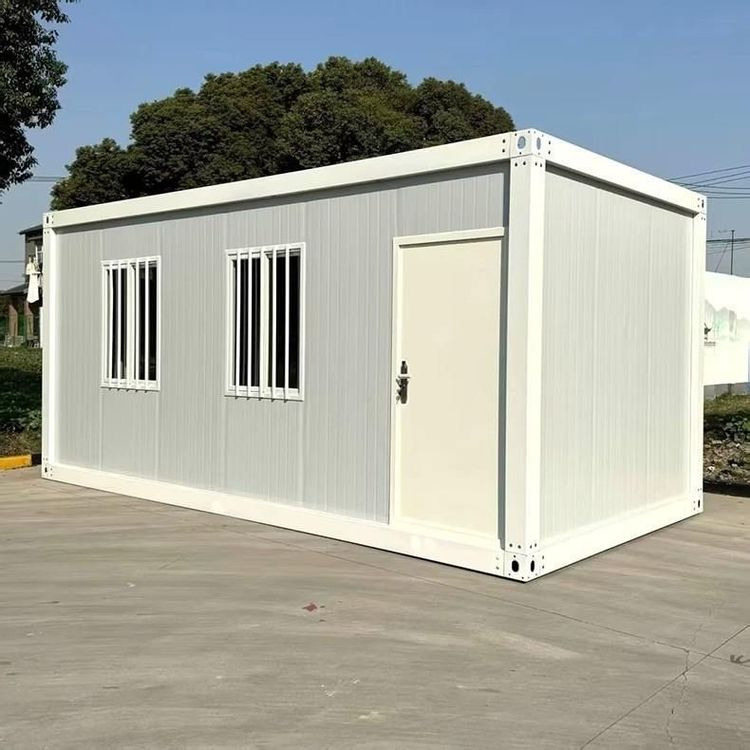
- Standard Container-Modified Houses: Based on shipping containers, they form complete residential units through interior renovations (including water and electricity, flooring, doors and windows, and sanitary facilities), suitable for construction site dormitories, field operation camps, etc.
- Modular Foldable Container Houses: Featuring a double-wing folding design, they fold to standard container size and expand 2-3 times in space when unfolded, supporting rapid deployment and retrieval, ideal for emergency shelter, cultural tourism homestays, etc.
Some manufacturers' products have achieved full-house integrated pre-assembly, completing structural, insulation, and water and electricity work in the factory, enabling immediate use upon site delivery, with deployment efficiency significantly higher than traditional temporary buildings.
II. Application Scenarios and Advantages
- Infrastructure Projects: As worker dormitories and project office spaces, they meet immediate occupancy needs and can be reused, reducing overall costs.
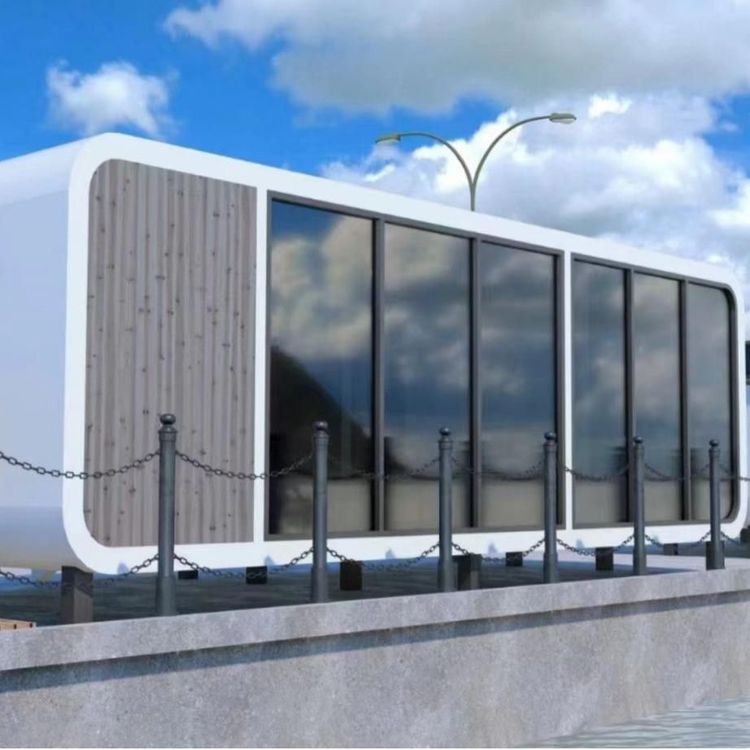
- Cultural Tourism Homestays: Through customized designs (such as space capsules and energy storage units), they fit into scenic area homestays, camping sites, etc., supporting multi-story stacking and horizontal splicing.
- Emergency Shelter: Quickly responding to disasters or temporary needs, they provide safe residences with fire resistance, earthquake resistance, and waterproof sealing.
Core advantages include:
- Cost-Effectiveness: Procurement, transportation, and installation costs are lower than traditional buildings, and materials are recyclable.
- Flexible Combination: They support customization of size, interior decoration, and functions according to needs, fitting domestic and international standards.
- Environmental Compliance: Dry construction generates no construction waste, meeting green building requirements.
III. Safety Risks and Prevention
Residential container houses have fire safety hazards and require focused attention on:
- Material Fire Resistance: Avoid using flammable sandwich materials such as polystyrene and polyurethane foam, and prioritize rock wool boards and fire-resistant cotton (Class A fire resistance) as fillers.
- Electrical Safety: Protect wires and cables with sleeves, use metal galvanized boxes for sockets and switches with surface mounting, and equip with fire extinguishing equipment.
- Spacing Requirements: Maintain at least a 6-meter safety distance between container houses to prevent fire spread.
- Heat Source Management: Keep open-flame operations and heat sources away from houses to reduce fire risks.
IV. Industrial Foundation and Manufacturer Selection
As a collaborative node for infrastructure in the Beijing-Tianjin-Hebei region, Hengshui has a developed integrated housing industry, gathering enterprises such as Hebei Fulin Kaitai and Fucheng Huaying, forming a full industrial chain service from R&D and production to leasing. When selecting manufacturers, comprehensive consideration should be given to deployment efficiency, cost, safety, and environmental attributes, prioritizing those with standardized production systems and mature technologies (such as high-strength light steel frames and hydraulic folding designs).