Fujian Housing Container Design
Fujian housing container design needs to integrate functional requirements, spatial planning, material selection, and compliance requirements, achieving a balance between practicality and aesthetics through modular combination and innovative design. The following elaborates on design considerations, case references, and construction processes:

I. Core Design Considerations
Spatial Combination and Functional Expansion
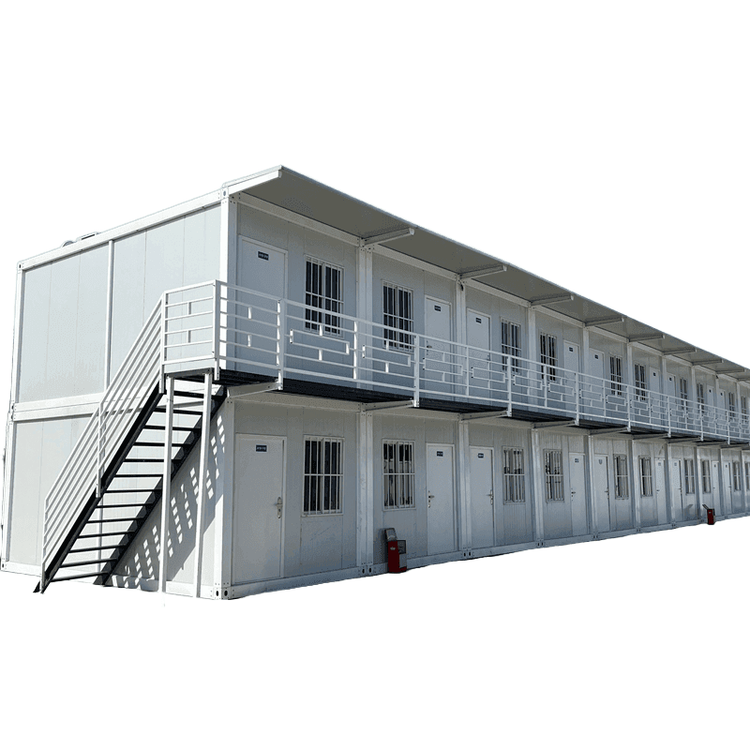
- Standard container sizes are 20 feet (6 meters long) or 40 feet (12 meters long), with an interior clear height of approximately 2.4-2.7 meters and a narrow, elongated horizontal space. Design requires expanding functional areas through splicing, stacking, or split-level arrangements. For example, horizontally splicing two 20-foot containers can create an integrated living and dining space, while vertical stacking can divide upper and lower functional areas (e.g., public areas on the lower level and bedrooms on the upper level).
- Split-level design can improve ventilation and lighting, leaving a courtyard or corridor on the lower level and setting up a terrace or leisure area on the upper level to enhance spatial hierarchy.
Lighting and Insulation Optimization
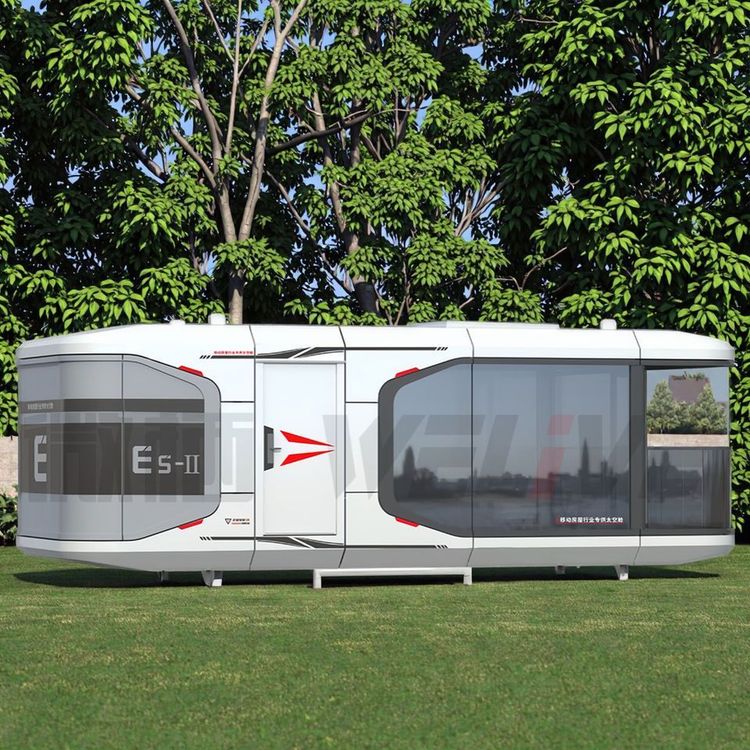
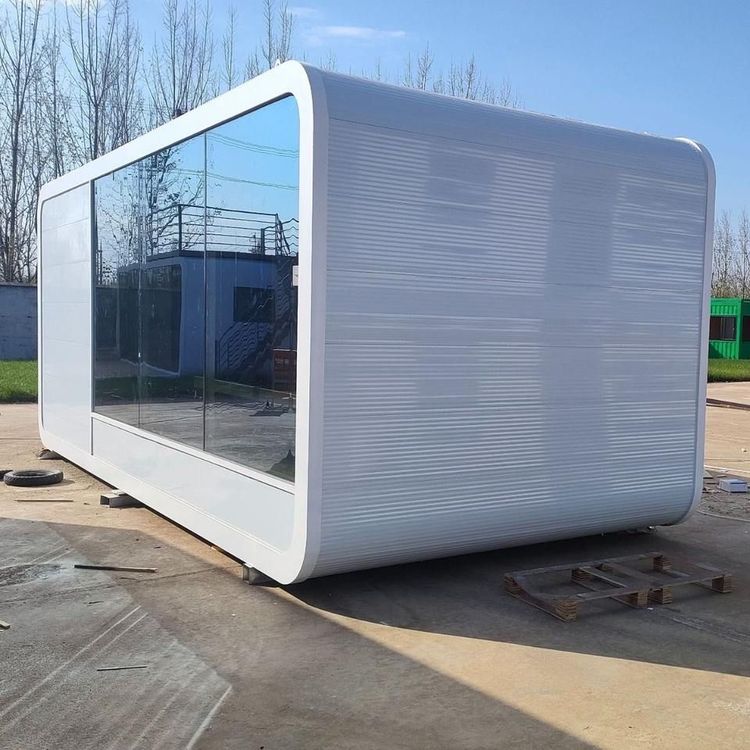
- Lighting: Install large floor-to-ceiling windows, roof skylights, or glass partitions to enhance interior brightness. For example, a case study adopted a full glass wall design, eliminating the need for additional lighting during the day while enhancing integration with nature.
- Insulation: Walls and roofs require additional interior insulation layers (e.g., polystyrene boards or rock wool), and windows should use triple-glazed structures, offering better thermal insulation than traditional brick walls. In humid southern regions, enhanced moisture-proofing is necessary to prevent condensation.
Structural Safety and Rust Prevention
- Container bodies are primarily steel and require focused rust prevention. During construction, cut and welded areas should be sanded and painted with epoxy primer and topcoat. Annually inspect welds, corners, and other rust-prone areas, and immediately touch up paint upon discovering rust spots. In coastal areas, it is recommended to repaint with anti-corrosion paint every 3-5 years, while inland dry areas can extend this to 8-12 years.
II. Fujian Local Case References
Community Support Services
- In Fujian's "Good Housing" design, "container community service centers" are set up along rivers, such as community canteens and film containers, creating a riverside living circle through modular combinations that balance functionality and landscaping.
Enterprise Customization Services
- Fujian Bafu Construction Technology Co., Ltd. offers customized services for packing containers and residential containers, with products usable for housing, dormitories, security booths, etc., supporting private design and modular combinations to meet diverse needs.
- Fuqing Haishun Container Service Co., Ltd. produces residential containers using steel plates and sandwich panels, incorporating modern home design concepts to achieve the flexibility of "ready-to-use, movable anytime."
III. Construction Process and Compliance
Approval and Land Nature
- Rural homesteads require construction approval according to local regulations, providing structural drawings to avoid being identified as illegal constructions. Cultivated land and basic farmland are strictly prohibited from construction, while forest land requires forestry approval. Leased land is limited to temporary use, with contracts clearly specifying the nature of use.
Post-Construction Maintenance
- Regularly replace window and door sealants (every 5-7 years) and clean roof debris to prevent water accumulation and corrosion. The container base should be elevated to avoid direct contact with ground moisture, extending its service life.
Through scientific planning and detailed optimization, Fujian housing container design can achieve a balance between low cost, personalization, and modular appearance while meeting safety, comfort, and compliance requirements.