
Prefabricated Slabs on Houses in Henan
The use of prefabricated slabs in houses in Henan is as follows:
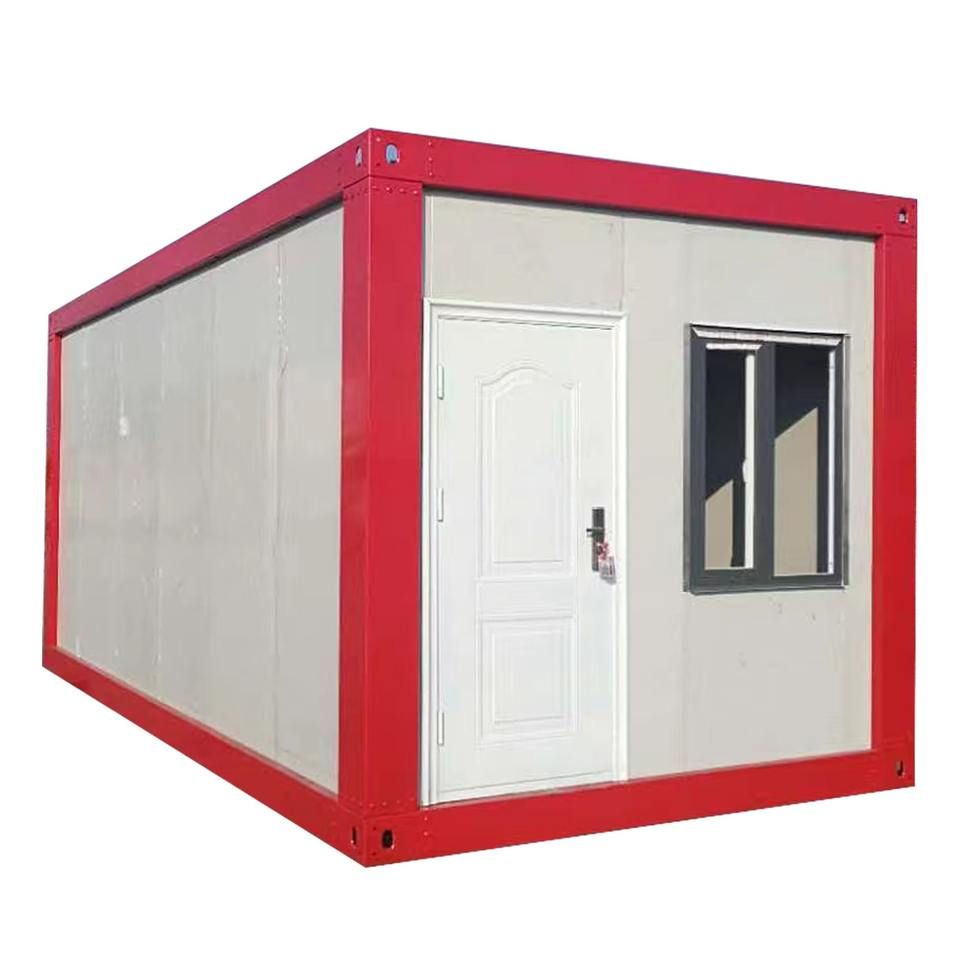
I. The Rise of Cement Prefabricated Houses Since December 28, 2024, the field of rural housing construction in Henan has begun to promote cement prefabricated houses. Their construction method is similar to 'building with blocks'. After the prefabricated cement slab components are transported to the construction site, it only takes a few workers four hours to complete the assembly of a villa, and the construction period for the entire building is shortened to two days. The cost per square meter of such houses is about 300 yuan, and the total cost of a large villa is only a little over 100,000 yuan, far lower than that of traditional brick-and-concrete houses. The design life of the house can reach 70 years, but there are issues of insufficient design flexibility, and the thermal insulation performance and seismic performance in earthquake-prone areas need further optimization.
II. Types and Price Differences of Prefabricated Slabs The market for prefabricated slabs in Zhengzhou, Henan, offers a wide variety of options, including cement fiber boards, cement pressure boards, fiber cement boards, large-hole floor slabs, loft floor slabs, soundproof nano rubber-plastic insulation boards, concrete hollow slabs, steel-framed expanded stone lightweight floor slabs, etc. The price range varies widely, from 8 yuan to 159 yuan per square meter, depending on the material composition, structural form, and functional characteristics. For example, concrete hollow slabs have a relatively low price due to their hollow structure that reduces self-weight; while steel-framed expanded stone lightweight floor slabs have a higher price due to their strong load-bearing capacity and light weight.
III. Core Reasons for Using Prefabricated Slabs in Self-built Houses
- Material Reliability: Both prefabricated slabs and cast-in-place slabs use cement mortar and steel bars as their main materials, with consistent material properties, ensuring structural stability.
- Structural Advantages: The regular hole design inside prefabricated slabs forms a hollow structure, which not only reduces the gravity of the building and saves materials but also does not significantly affect the load-bearing capacity; the sturdiness of solid prefabricated slabs can even be comparable to that of cast-in-place slabs.
- Outstanding Economy: Prefabricated slabs have a significant price advantage, especially suitable for rural families with limited economic conditions, greatly reducing housing construction costs.
- Improved Efficiency: Prefabricated houses produce components through standardized factory production and then quickly assemble them on-site, shortening the construction period and further reducing labor and time costs.



