Heilongjiang Container House Transportation
The transportation of packed container houses in Heilongjiang Province primarily relies on road or rail systems, with their 'packed' design and standardized dimensions ensuring transportation efficiency and scenario adaptability.

Transportation Methods and Core Advantages
The initial transportation phase of packed container houses depends on road or rail systems. Their design is based on standard shipping containers, with dimensions conforming to international freight norms (such as 20-foot or 40-foot containers), allowing direct loading onto trucks or train cars without additional modifications. This standardization significantly reduces logistics costs and ensures extensive coverage of transportation networks, enabling efficient delivery to both urban peripheries and remote areas.
Key Features of the Transportation Process
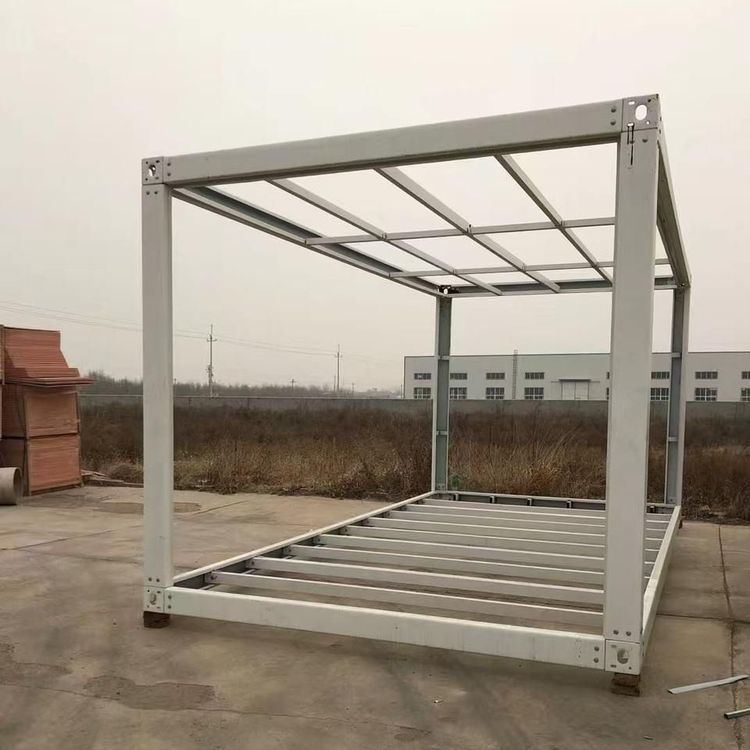
- Factory Prefabrication and Integration: All building components (such as insulation layers, doors, windows, and internal piping) are prefabricated in factories and integrated into the container frame, forming a 'packed' unit. During transportation, only overall handling is required, avoiding the complex logistics coordination needed for on-site dispersed assembly.
- Structural Robustness: The container frame is made of high-strength steel, capable of withstanding vibrations, collisions, and extreme weather conditions (such as strong winds and snow in winter in Heilongjiang Province) during transportation, reducing the risk of cargo damage.
- Rapid Deployment Requirements: Upon arrival at the destination, container houses can be quickly put into use through simple unfolding (assisted by hydraulic devices) and inter-module connections (such as bolt fixation), shortening on-site construction periods and making them particularly suitable for emergency scenarios or temporary projects.
Transportation Adaptability in Typical Application Scenarios
In remote forest, mining, or agricultural areas of Heilongjiang Province, packed container houses are often used to establish frontline workstations or temporary camps. Their transportation advantages are reflected in:
- Accessibility to Remote Areas: Road or rail transportation can cover regions without conventional construction resources, quickly forming functionally complete spaces through the stacking or paralleling of standardized containers.
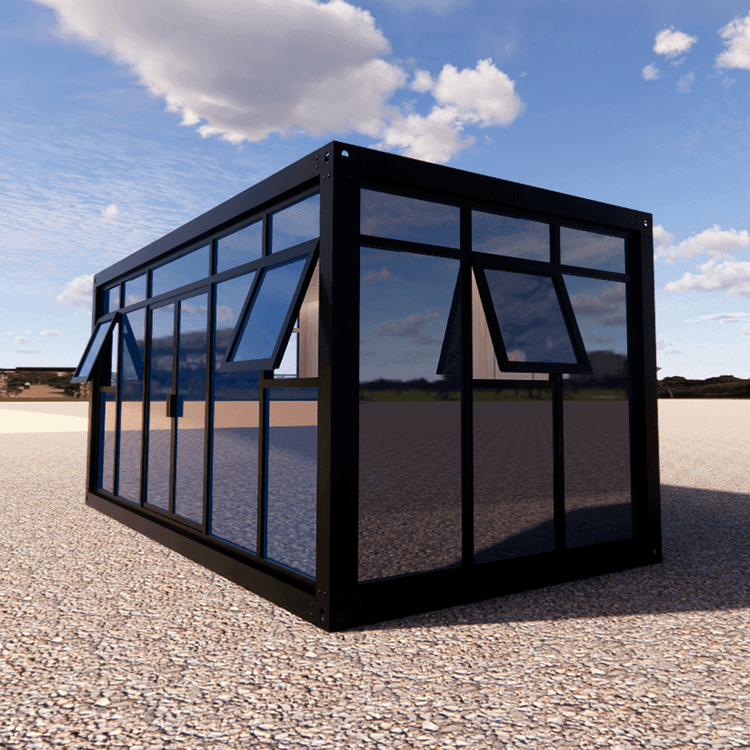
- Environmental Adaptability: Prefabricated insulation layers and sealed doors and windows enable container houses to directly withstand local low temperatures, snow, and other climatic conditions after transportation, reducing the need for additional on-site reinforcement.
- Optimization of Labor Costs: Prefabricated production reduces reliance on skilled on-site labor, requiring only a small number of workers to complete basic connection work after transportation, enhancing the feasibility of deployment in remote areas.
In summary, packed container houses in Heilongjiang Province achieve efficient, reliable, and cost-effective logistics solutions through standardized transportation and modular design, providing critical support for rapid construction in extreme environments.