
Back to blog
Article
Height of Sea Container Houses
Admin September 16, 2026
The height of sea container houses varies depending on their type and purpose, with common height ranges between 2.59 meters and 2.89 meters, and some customized projects reaching 2.7 meters or higher.
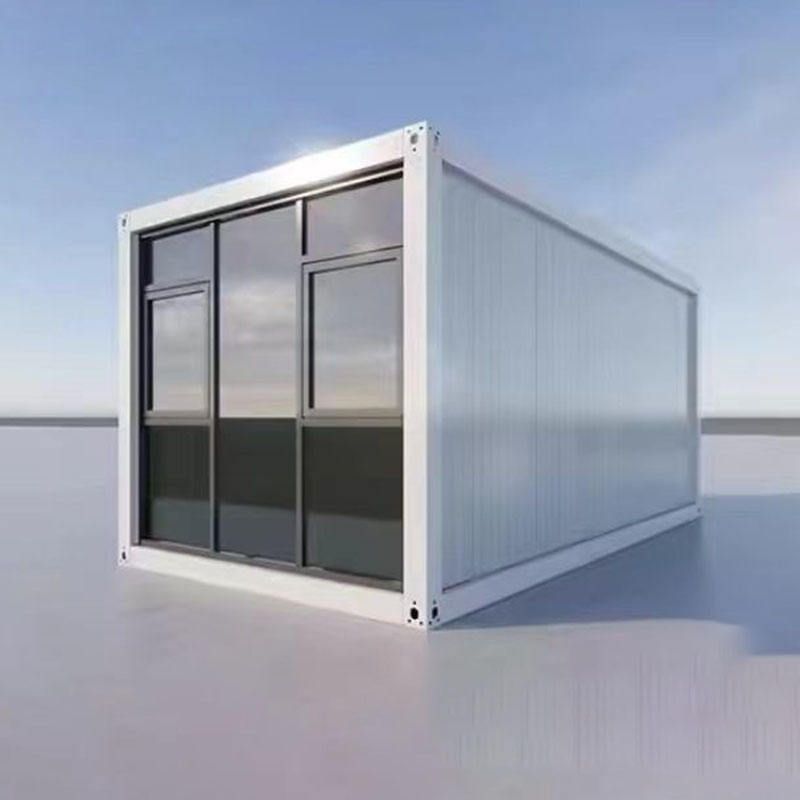
Standard Heights Specified by the International Organization for Standardization (ISO)
According to ISO standards, the heights of shipping containers are divided into two main types:
- Standard Container Height: The most common is 8 feet 6 inches (approximately 2.59 meters). This height is suitable for most standard container houses, as it complies with global shipping norms and is compatible with various transportation vehicles and storage yards.
- High Cube Container Height: This is 9 feet 6 inches (approximately 2.89 meters). By increasing vertical space, these containers offer greater internal volume, making them particularly suitable for renovation projects requiring higher ceilings, such as residential, office, or storage uses.
Common Heights of Container Houses in China
The design of container houses in China typically references ISO standards but is adjusted flexibly according to actual needs:
- Standardized Renovation: Most projects adhere to ISO standards, adopting heights of 2.59 meters or 2.89 meters to ensure compatibility with the existing logistics system while meeting basic usage requirements.
- Customized Design: Some temporary or functional buildings, such as construction site offices or mobile shops, opt for an intermediate height of around 2.7 meters. This height strikes a balance between cost and comfort, reducing material and transportation costs while providing relatively spacious interiors.
- Special Specifications: For example, a 3-meter by 6-meter container house typically has a height of 2.7 meters. By optimizing the length-to-width ratio, this specification further enhances space utilization and is suitable for scenarios requiring larger areas.
Factors Influencing Height Selection
The height selection of container houses should consider the following factors:
- Transportation Restrictions: ISO standard heights ensure seamless integration with sea, rail, and road transportation, avoiding additional costs due to over-height restrictions.
- Usage Function: Residential or office scenarios may require higher ceilings for enhanced comfort, while storage scenarios prioritize volume efficiency.
- Cost Budget: Increased height directly leads to higher material, transportation, and installation costs, necessitating a balance between functional requirements and economic efficiency.
By selecting an appropriate height, container houses can meet the needs of diverse usage scenarios while achieving efficient resource utilization.
Related



