Hefei Simple Mobile Toilet Design
The design of simple mobile toilets in Hefei features diversity, covering aspects such as materials, sewage disposal, modularity, user-friendliness, environmental protection, energy efficiency, and appearance style.

In terms of material selection, traditional materials like color-coated steel sheets, metal carved panels, anti-corrosion wood, and aluminum-plastic panels are eco-friendly, lightweight, and durable. PE material, with its excellent chemical stability and corrosion resistance, is gradually becoming mainstream. Its smooth surface makes it difficult for dirt to adhere, facilitating easy cleaning and maintenance. Additionally, it offers good thermal insulation and sealing properties, adapting to various climatic conditions.
Sewage disposal methods are diversifying. Traditional approaches such as water flushing, packing, foaming, and microbial decomposition remain widely used. Some newer models employ vacuum self-priming equipment systems that utilize negative pressure technology for direct discharge, significantly reducing sewage residue and odor diffusion, and minimizing secondary environmental pollution.
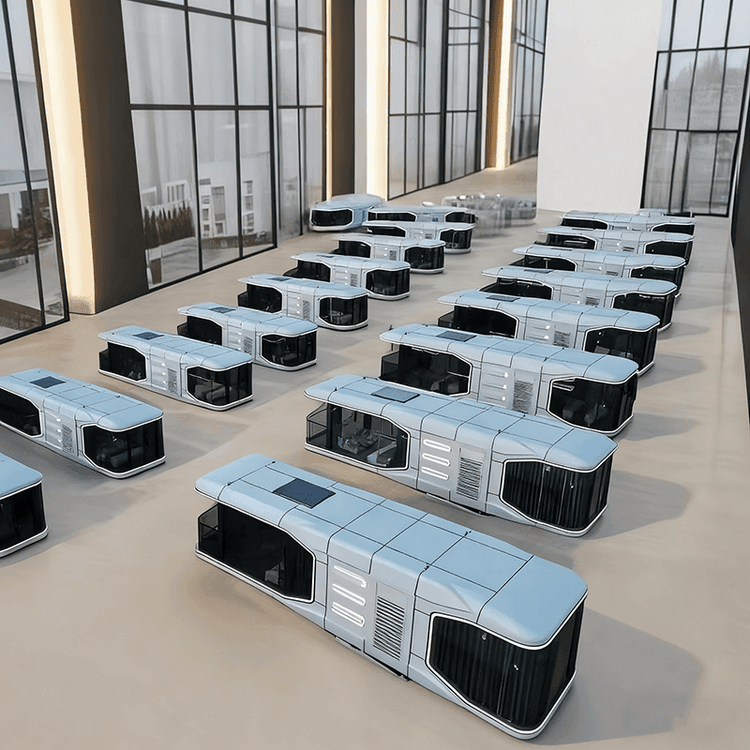
Modular design is a core advantage. Mobile toilets utilize standardized components and interfaces, supporting rapid assembly and disassembly as well as flexible combination. The number of toilet stalls or layout can be adjusted according to site requirements. This design simplifies transportation processes, reduces installation costs, and is particularly suitable for temporary events or emergency scenarios.
User-friendly design continuously optimizes the user experience. Basic facilities such as sinks, mirrors, and hooks are installed inside, while high-end models feature energy-saving lighting, ventilation systems, and smart sensors. In terms of barrier-free design, emergency call buttons, non-slip floors, handrails, and other facilities are provided. Additionally, signs for sitting and squatting positions (with a size of no less than 60cm²) are installed in the upper middle part of the door to enhance convenience.
Environmental protection and energy-saving technologies are widely applied. Some models achieve water resource reuse through wastewater circulation systems, reducing freshwater consumption. Material selection emphasizes recyclability, with metal and plastic components being disassembled and reused, aligning with sustainable development principles.
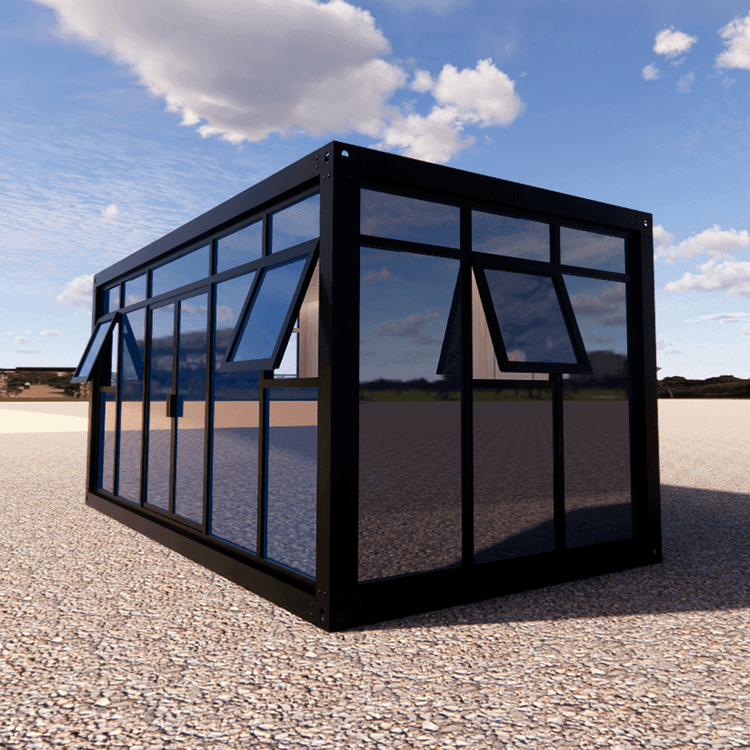
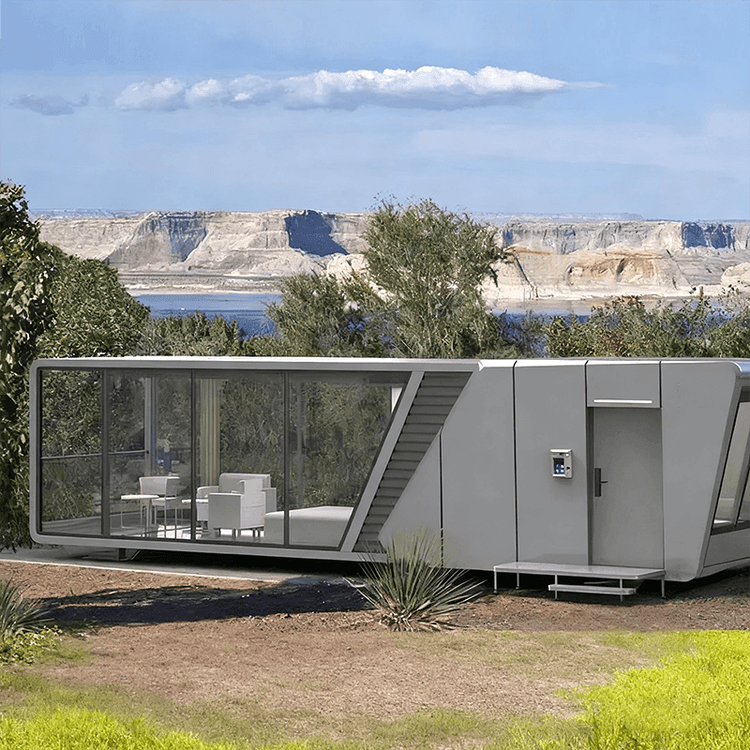
Appearance style focuses on blending with the environment. Designs are tailored to local conditions, adopting bionic or modern styles. For example, green plant-painted exterior walls harmonize with forest landscapes, while sailboat-style steel frame structures showcase technological aesthetics, avoiding visual incongrity and enhancing the quality of urban public spaces.