
Hefei Container House
Hefei container houses come in many types and serve a wide range of uses. They feature a distinctive industrial aesthetic and flexible pricing options.
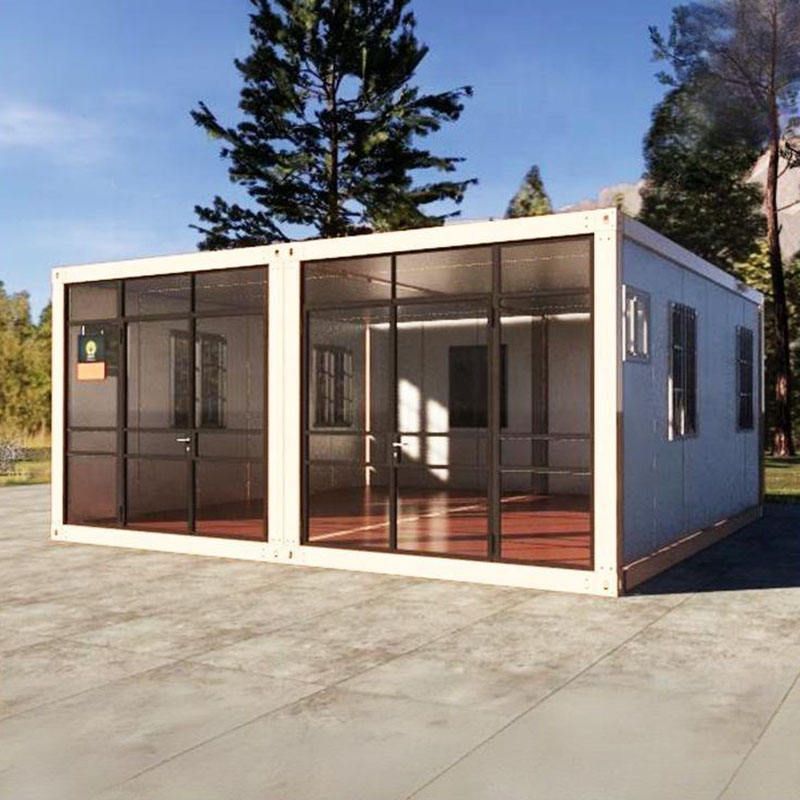
I. Brands and materials Hefei has many container house brands, including Hanwei, Huazhong Erjian, Honghao, Hongli, Tianxiang, Jinhui, Hongyan, Jumao, Aijie, Nahui, Haiwangda, and Boman. Materials center on a steel-structure main frame paired with steel plate, color-coated steel, light steel, color board, metal, and similar materials—balancing structural strength with portability and durability. Color-coated steel panels, for example, are often used for walls and roofs and offer rust resistance, thermal insulation, and sound insulation; light-steel structures raise construction efficiency through modular design.
II. Styles and uses Styles are diverse, covering light-steel mobile houses, knock-down assembled units, pack-flat units, single-story, fixed, simple temporary houses, and modern minimalist looks. Uses are broad—homestays, temporary lodging, offices, equipment rooms, and more. For example, Qingxi Town’s glass greenhouse-style containers blend with garden landscaping to create open leisure spaces; modular cabins beside an elevated roadway have been converted into a pet café and a plant studio; a double-stack design with steel staircases becomes a studio that mixes industrial feel with refined function. Pairing plant spaces with coffee corners further expands aesthetic photo-spot and leisure experience uses.
III. Pricing and rental models Taking products from Hefei Falaisi Mobile Prefab House Co., Ltd. as an example, livable containers are mainly leased for construction sites while also supporting private purchase or rental. The standard size is 3×6 m; rental is $0.83/day, $25/month, or $300/year; purchase is $1,389 per unit, with custom size, function, or appearance available on request. This flexible pricing lowers short-term use costs and offers an economical option for longer-term needs.
IV. Design features Hefei container buildings emphasize combining industrial aesthetics with regional culture. For example, Hui-style horse-head walls joined with steel structure and glass achieve a coexistence of tradition and modernity; modular combinations use standardized components to raise space utilization while leaving room for personalized renovation. Such designs meet functional needs and become distinctive symbols in the urban landscape.



