
Hebei Environmental Protection Mobile Toilet
When selecting a mobile toilet for environmental protection in Hebei, it is essential to comprehensively consider core elements such as the environmental treatment system, material structure, internal details, and production process. The following provides an analysis from specific dimensions:
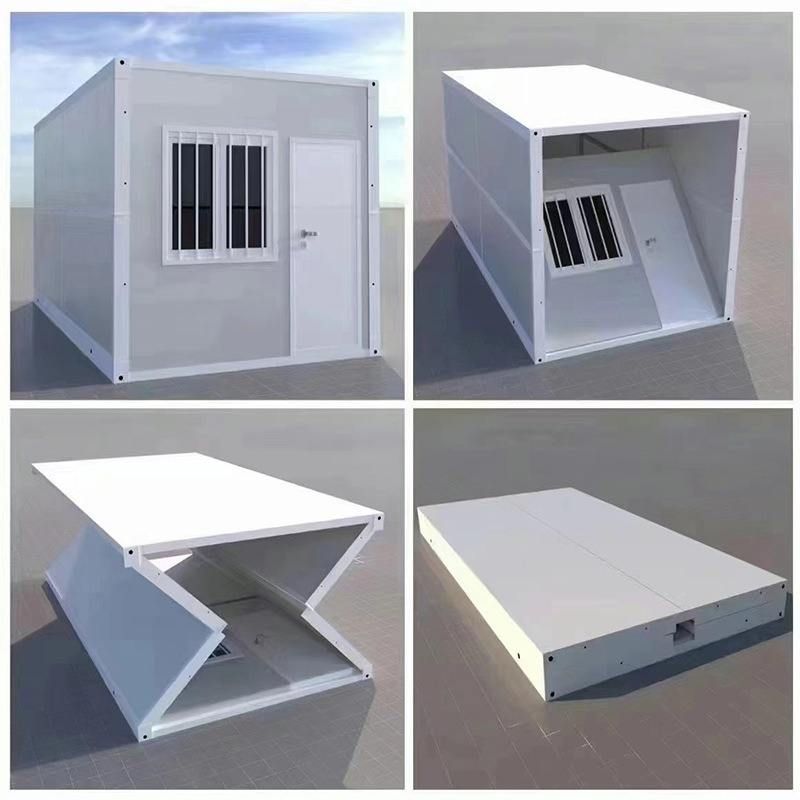
The environmental treatment system is a core indicator. Prioritize products that employ solid-liquid separation combined with microbial degradation technology. This technology can convert fecal waste into organic fertilizer raw materials and a small amount of clean water, significantly reducing the frequency of cleaning. For example, some high-end products have improved treatment efficiency by over 30% by optimizing bacterial strain ratios and reaction conditions, and extended maintenance cycles to 6-12 months. It is crucial to focus on the stability of the treatment system to prevent bacterial inactivation due to low temperatures or high loads; at the same time, require manufacturers to provide maintenance convenience instructions, such as whether modular replacement is supported and whether automatic alarm devices are equipped.
Materials and structures must be adapted to the usage scenario. Among exterior wall materials, metal carved panels are suitable for areas with strong winds or coastal regions due to their high strength and strong corrosion resistance; fiberglass-reinforced plastic, which is waterproof when molded as a whole, requires products with added anti-aging agents to extend service life; color-coated steel sheets are cost-effective but have weaker thermal insulation. The floor material should have a non-slip coefficient ≥ 0.6, with non-slip tiles or composite materials recommended. In terms of structure, the frame should be welded with national standard steel, with joint gaps ≤ 2mm, and pipeline layout should be concealed to avoid bumps. For example, products from Hebei Lvmei Sanitation Equipment Manufacturing Co., Ltd. have a temperature range of -35-50℃, meeting the needs of extreme northern climates.
Internal details determine the user experience. The ventilation system should be equipped with a bidirectional air exchanger with an air volume ≥ 200m³/h to ensure rapid removal of odors; lighting should use LED moisture-proof lamps with an illuminance ≥ 150lux; handrails should be installed 80-90cm from the ground with a diameter ≥ 35mm for easy gripping. For winter usage scenarios, electric tracing systems or insulation layers should be configured to prevent pipe freezing. Additionally, configurations such as hooks, shelves, and sinks should be reasonably laid out according to usage frequency; for example, tourist area toilets can add mobile phone charging ports, while factory toilets need enhanced dustproof designs.
Production process and after-sales service cannot be overlooked. The welding process should comply with the GB/T 3323-2005 standard, with no cold or missing welds; the lifting points of the mobile toilet should undergo mechanical calculations to ensure a load-bearing capacity ≥ 2 tons. When purchasing, it is recommended to require manufacturers to provide inspection qualification reports, focusing on verifying indicators such as environmental treatment efficiency and material compressive strength. After-sales service should specify response times, such as phone response within 2 hours and on-site repair within 24 hours, and sign long-term maintenance contracts to reduce later costs.



