Harbin Mobile Toilet for Outdoor Activities
Harbin mobile toilets meet diverse needs in outdoor activities through modular design, with functions, adaptability, and management strategies optimized for local environmental characteristics.

1. Modular Functional Design
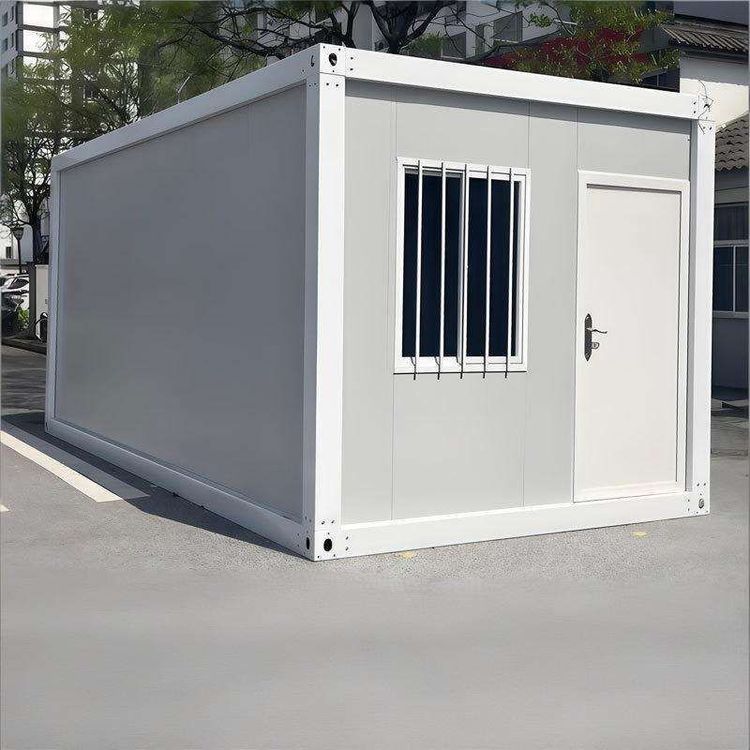
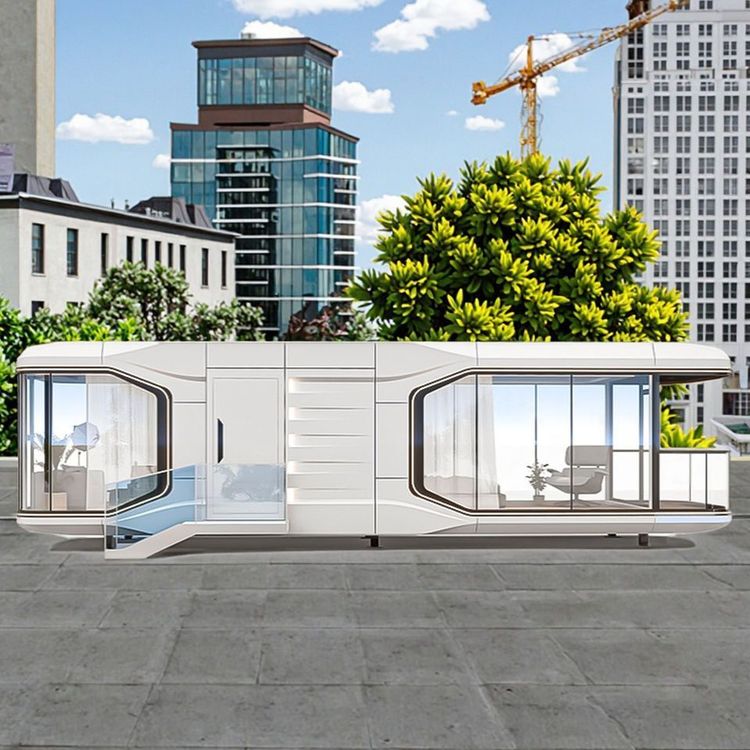
The core structure of Harbin mobile toilets consists of four independent modules: a sewage system, a water supply unit, a ventilation device, and a frame shell. The sewage system uses sealed storage tanks to temporarily store waste without relying on fixed pipe networks, making it suitable for outdoor scenarios without municipal facilities. The water supply unit is equipped with a small water tank and a pressure pump to ensure a stable supply of flushing and cleaning water. Some designs incorporate insulation materials or antifreeze agents for low-temperature environments to prevent water tank freezing and ensure usability. The ventilation device maintains air circulation through natural convection or mechanical exhaust, adjusting its operating mode in high-humidity seasons to avoid internal condensation, which could cause odors or equipment damage. The frame shell, often made of lightweight alloy materials, supports rapid assembly and disassembly, meeting the deployment needs of short-term activities (such as markets and celebrations) within hours, and facilitating the separate replacement or cleaning of individual modules in long-term activities (such as exhibitions and sports events) without interrupting overall service.
2. Climate Adaptability Optimization
Harbin's cold winter temperatures pose challenges to equipment operation. The insulation design of the water supply unit (such as wrapping with thermal insulation layers) and the use of antifreeze additives ensure normal water supply even at temperatures below -20°C. The shell material is selected from anti-corrosion coatings or stainless steel, light steel, and other materials to withstand seasonal precipitation and humidity changes, extending service life. The ventilation device reduces mechanical exhaust frequency in low-temperature environments to prevent excessive internal heat loss while maintaining basic air circulation through natural convection.
3. Dynamic Layout and Management Strategies
In large-scale outdoor activities, the distribution of mobile toilets needs to be dynamically planned based on pedestrian density. For example, during the 2026 Harbin Marathon, some areas experienced insufficient toilet numbers or unreasonable spacing, leading to runners urinating on roadside lawns, exposing flaws in layout planning. A reasonable strategy should reference pedestrian flow data, adding units in high-density areas such as starting points, finishing lines, and refreshment stations, while maintaining a spacing of 50-100 meters. In terms of service capacity, the storage capacity and processing efficiency of a single toilet determine its load threshold. When the storage tank approaches full capacity, continuous service can be maintained by quickly replacing sealed tanks to avoid interruptions.
4. Type and Brand Selection
The Harbin market offers various types of mobile toilets from brands such as Mingde, Xinsheng, and Keleiya, with materials including stainless steel, steel structures, and light steel, and processes such as welding and integrated welding. Users can choose based on activity scale, budget, and environmental requirements: for short-term activities, light steel integrated welding models are cost-effective and quick to assemble; for long-term or high-intensity use scenarios, stainless steel welded models are recommended for their superior durability.