
Hangzhou Public Toilet Mobile Toilet
There are various types of mobile toilets in Hangzhou's public toilets, including mobile landscape public toilets, 5G smart toilets (some with mobile features), and mobile toilets with general technical characteristics, each with distinct features in terms of functionality, structure, and technological applications.
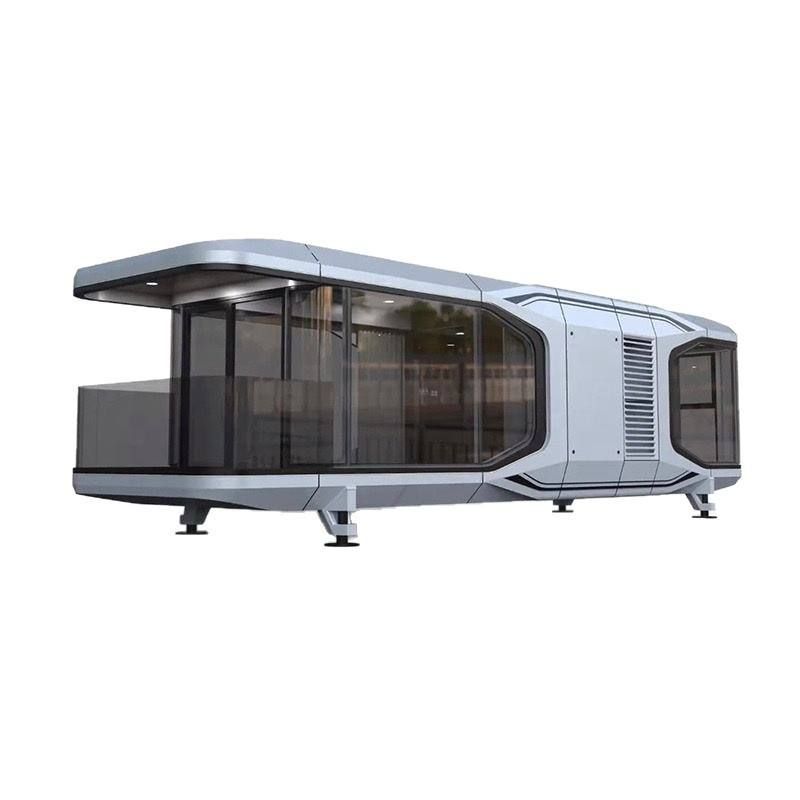
The mobile landscape public toilet is the first movable landscape public toilet in Hangzhou, which opened on June 29, 2019, at the intersection of Qianchao Road and Sanxin Road on the Qiantang River embankment. After being fully manufactured in the factory, the toilet is directly transported to the site for hoisting and installation, and can be put into use simply by connecting the pipelines. This construction method allows the toilet's location to be adjusted later according to actual needs, effectively saving construction costs. In terms of functionality, it is equipped with basic sanitary facilities such as urinals, squat toilets, and sinks, and incorporates intelligent features such as playing music when the door is closed, automatic flushing when the door is opened, and deodorization and sterilization, enhancing the user experience.
Although the 5G smart toilet resembles a café or tea bar in appearance and is partially fixed, its design concept and technological applications reflect the future development direction of mobile toilets. It features a glass material and a two-story structure, with a staircase at the entrance for wheelchair users. The interior is richly equipped, including a beverage vending machine, sinks, mirrors, toilets (including child-specific facilities), baby cribs, dryers, free mobile phone charging stations, first aid equipment, etc. The display screen inside the toilet can show the real-time usage status of each toilet cubicle, the sink pipes and hand soap are automatic, and some walls use frosted glass for privacy, all reflecting intelligent and humanized design features.
Mobile toilets also possess general technical characteristics, allowing them to be moved as a whole and are suitable for places such as stations, docks, and tourist attractions. Their materials have evolved from wood to fiberglass, polyethylene, etc., with structural forms including single and composite structures, and movement methods divided into hoisting, handling, and powered or towed types. In terms of sewage treatment, mobile toilets cover various methods such as water flushing, waterless suction, circulating water flushing, and dry packing to adapt to different environments and needs.



