
Portable Toilets at Construction Sites in Hangzhou
Portable toilets are indeed used at construction sites in Hangzhou to meet the toilet needs of workers, and their configuration and management need to be standardized according to actual conditions.
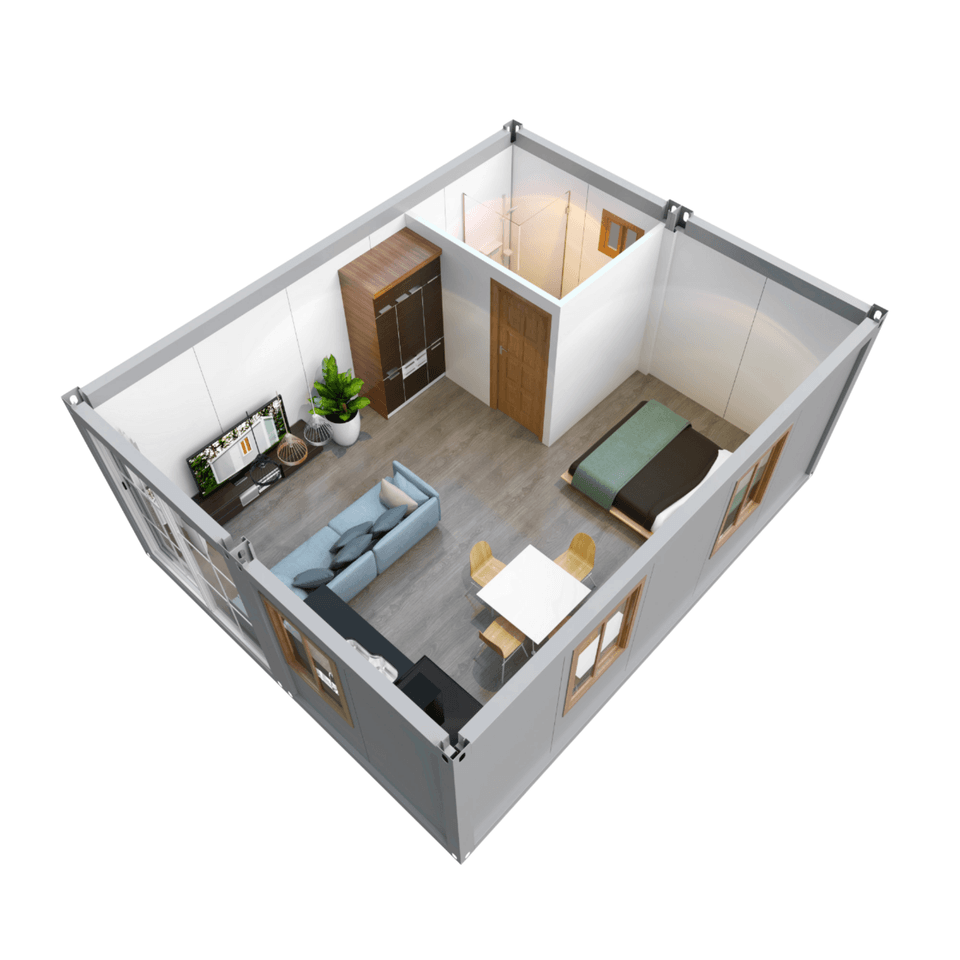
I. Applicability of Portable Toilets
Portable toilets are widely used in factories, construction sites, and other locations due to their flexibility and convenience. In the construction site environment of Hangzhou, portable toilets can be quickly deployed to solve the temporary toilet needs of workers, especially in scenarios with short construction periods or limited site conditions. For example, a customer in Zhejiang once customized portable toilets for factory workers, adjusting the number of squatting positions according to the gender ratio—1 squatting position for women and 7 for men. This differentiated configuration not only saves resources but also meets actual needs. Such cases indicate that the design of portable toilets should fully consider the characteristics of the user group to enhance practicality.
II. Key Points of Configuration and Management
- Facility Configuration: Portable toilets are usually equipped with basic sanitary facilities such as squatting positions, flushing systems, and ventilation devices. Some high-end models may also include sinks, lighting equipment, and even deodorization systems to improve the user experience. However, it should be noted that having complete facilities does not equate to effective management. For example, there have been cases in Hangzhou where temporary portable toilets provided by construction parties were locked due to management oversights, preventing workers from using them.
- Management Standards: The management of portable toilets requires a clear responsible entity. In response to such incidents, the town government emphasized that construction parties, as facility providers, need to standardize management methods and post clear notices to avoid disputes caused by a lack of information transparency. In addition, regular cleaning, maintenance, and inspections are necessary measures to ensure the normal operation of portable toilets.
III. Insights from Actual Cases
The use of portable toilets at construction sites in Hangzhou reflects two core issues: first, the configuration should meet actual needs to avoid resource waste or shortage; second, management should be institutionalized to prevent facilities from being left unused or damaged due to negligence. For example, the gender-ratio-differentiated squatting position design and the government's emphasis on management standards provide valuable experience for other construction sites.
In conclusion, the application of portable toilets at construction sites in Hangzhou should balance practicality and standardization. Through scientific configuration and effective management, they can truly serve workers and enhance the humanization of the construction environment.



