Materials of Haikou Mobile Toilets
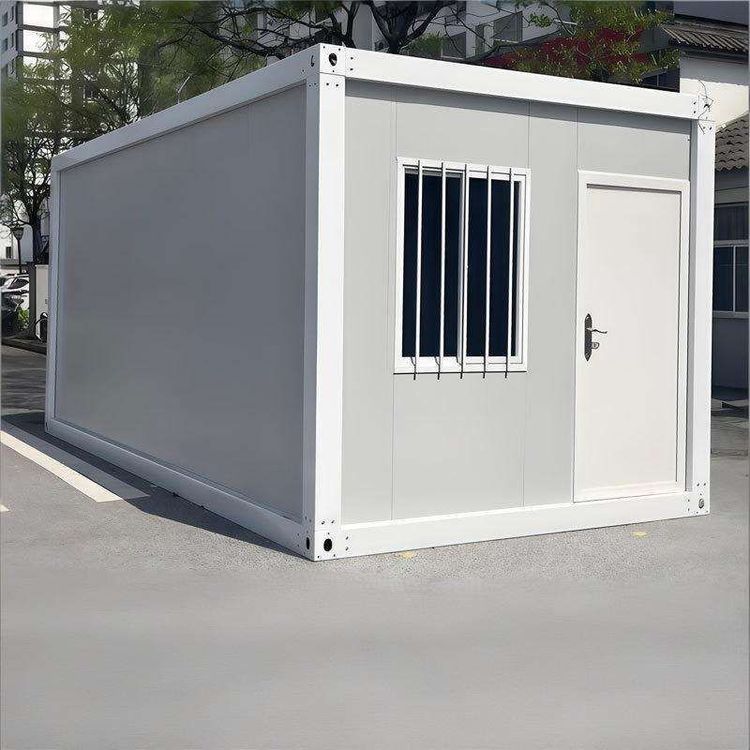
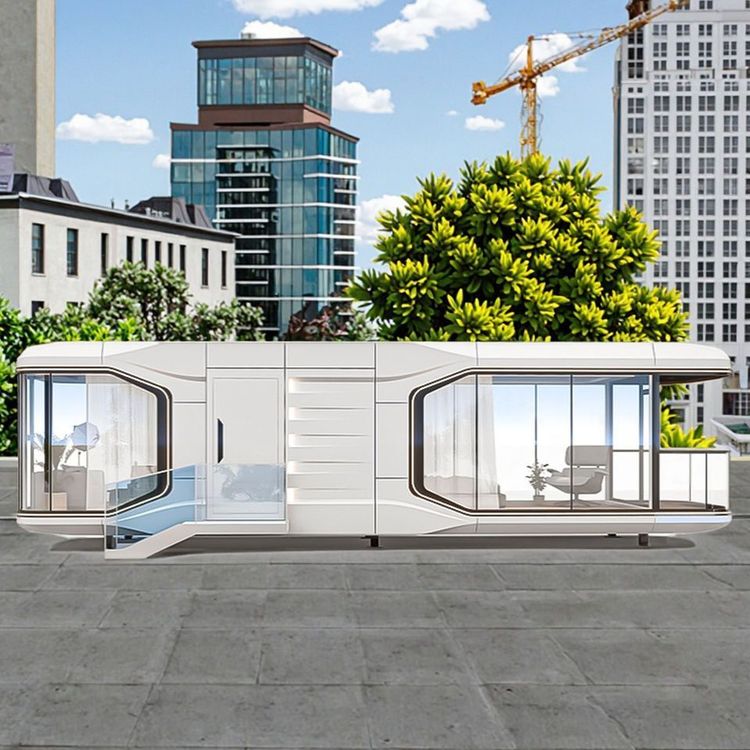
The primary material used in Haikou mobile toilets is PE (high-density polyethylene), supplemented by color-coated steel plates, stainless steel, FRP (fiberglass-reinforced plastic), and wooden materials, among others. The specific choice depends on the usage scenario, budget, and aesthetic requirements.
1. PE (High-Density Polyethylene) Material
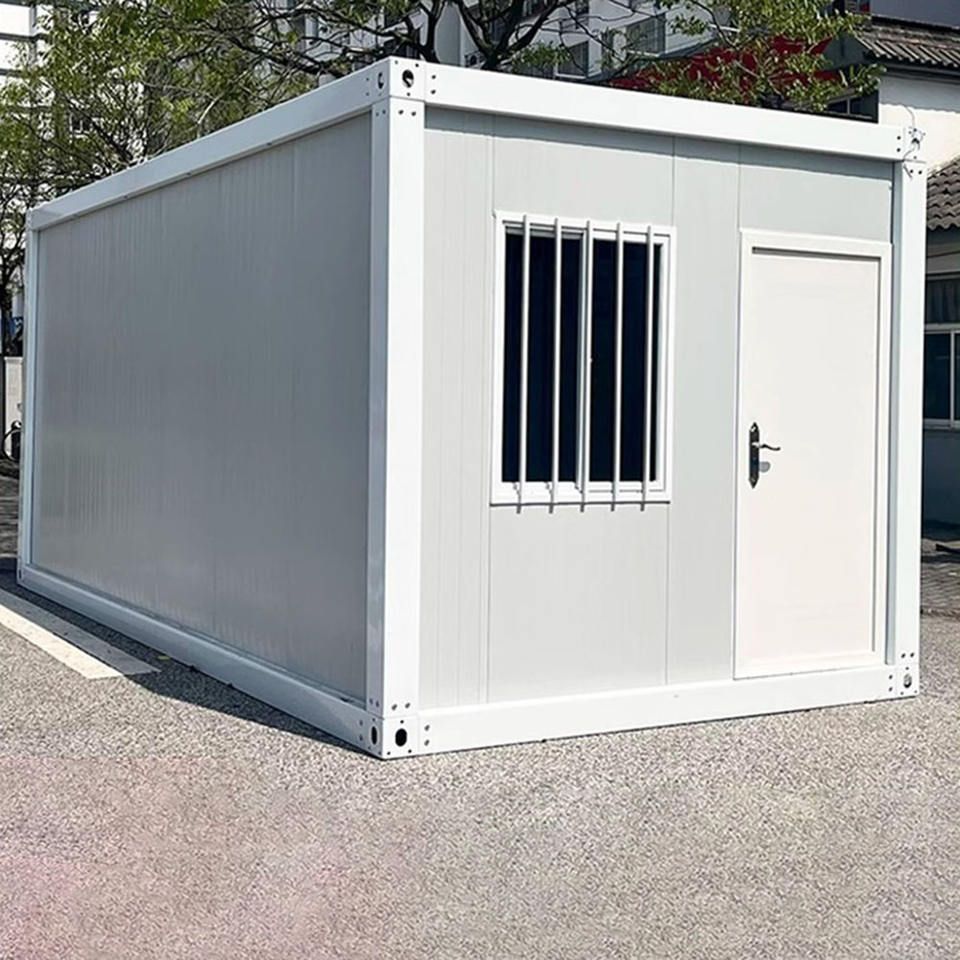
PE is the most commonly used core material for mobile toilets in Haikou, known for its strong corrosion resistance, especially suitable for humid and saline coastal environments. The dense molecular structure of high-density polyethylene effectively resists erosion from seawater, rainwater, and chemicals, avoiding the rusting issues common with traditional metal materials. Additionally, PE material has a long service life, lasting over 10 years with proper maintenance, far exceeding that of ordinary plastics or wooden structures. Its thermal insulation properties are also notable, reducing heat buildup in summer and minimizing heat loss in winter, enhancing user comfort. PE material is also lightweight, facilitating easy transportation and installation, making it ideal for temporary or mobile scenarios.
2. Color-Coated Steel Plate Material
Color-coated steel plates, composed of galvanized steel sheets coated with a colored layer, are cost-effective and easy to process, often used in public projects with budget constraints. The surface coating provides some corrosion resistance, but prolonged exposure to high-saline environments may accelerate coating peeling, requiring regular maintenance. Color-coated steel plates have high structural strength, suitable for temporary venues requiring rapid setup, but their thermal insulation is relatively weak, potentially leading to higher internal temperatures in summer, necessitating ventilation design.
3. Stainless Steel Material
Stainless steel (such as 304 or 316 grades) is renowned for its excellent corrosion resistance, particularly suitable for scenarios with prolonged exposure to seawater splashes or high humidity. Its smooth, easy-to-clean surface meets public hygiene requirements, with a service life of over 20 years. However, stainless steel is costly and highly thermally conductive, becoming hot in summer and cold in winter, often requiring thermal insulation materials or auxiliary designs (such as non-slip floors) to enhance practicality.
4. FRP (Fiberglass-Reinforced Plastic) Material
FRP, composed of glass fibers and resin, combines lightweight strength with corrosion resistance. Its surface can mimic stone or wood textures, meeting aesthetic needs, but at a higher cost than ordinary plastics. FRP material has weak impact resistance, requiring protection from sharp object collisions, suitable for low-traffic scenic areas or high-end venues.
5. Wooden Material
Wooden mobile toilets are often used in scenic or cultural venues, enhancing environmental harmony with their natural texture. However, wood is susceptible to moisture-induced decay, requiring anti-corrosion treatment (such as carbonization or waterproof paint application) to extend its lifespan, with higher maintenance costs, making it suitable for dry or short-term use scenarios.