How to Use Mobile Toilets in Guizhou
Mobile toilets in Guizhou are convenient to use and can flexibly adapt to various scenarios. When using them, it is important to maintain hygiene and make reasonable use of the facilities.

Applicable Scenarios
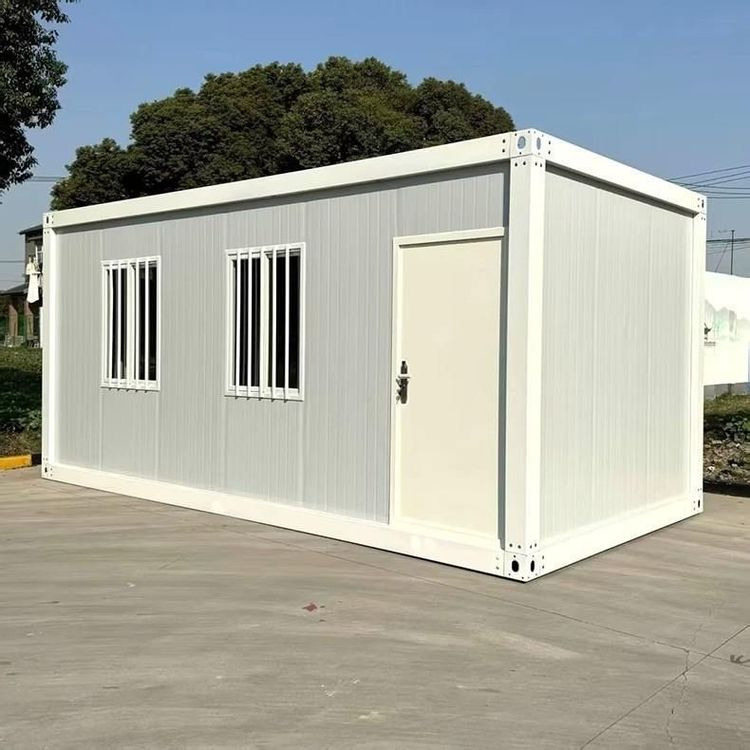
Guizhou has a complex terrain dominated by plateaus and mountains, with widespread karst landforms. Building fixed public restrooms is costly and difficult due to the challenging terrain. Mobile toilets do not require large-scale civil engineering and have low site requirements. They can be quickly installed on relatively flat ground, adapting well to the mountainous characteristics of Guizhou. They can be flexibly hoisted and transported, making them suitable for natural scenic spots, rural tourist attractions, and along mountain hiking trails. Additionally, they can meet the emergency needs of large-scale events such as folk festivals, sports competitions, and cultural exchange activities held in Guizhou in recent years, as well as temporary gatherings. Furthermore, they can serve as transitional or supplementary solutions in remote rural areas where infrastructure construction is relatively lagging, and provide sanitation for workers at construction sites for infrastructure projects such as highways and water conservancy.
Internal Facilities and Usage
The interior is usually divided into independent toilet stalls, each equipped with a toilet (mostly squat or sit-down type, chosen according to local habits), a sink (equipped with an automatic or manual faucet to save water), a mirror, and other basic facilities. Some public toilets also have barrier-free stalls to facilitate use by people with mobility impairments. The interior lighting uses energy-saving lamps, and the ventilation system reduces odor retention through natural ventilation or mechanical exhaust. When using them, people should pay attention to maintaining hygiene, avoid littering or damaging the facilities. Due to the relatively small space, it is recommended to shorten the usage time to facilitate others. If there are equipment failures or hygiene issues, they can be reported to the management for timely handling.
Waste Disposal
They do not rely on fixed sewage pipes but instead use built-in waste storage tanks or biodegradation technology to treat waste. For example, biodegradation technology uses microbial strains to decompose excrement into water and carbon dioxide (or a small amount of residue); chemical decomposition technology uses environmentally friendly chemicals for disinfection and decomposition; vacuum suction technology saves water and reduces the frequency of waste storage tank cleaning; some may be connected to municipal sewage networks or equipped with independent collection tanks that require regular removal.
Water and Power Supply
Water supply methods are diverse, commonly including built-in water storage tanks with manual or electric pumps, or connecting to temporary water supply lines through quick connectors. Power supply is also flexible, using small battery packs, solar panels (utilizing Guizhou's abundant sunshine resources to provide clean energy for lighting and ventilation fans in the restrooms), or external power sources. The choice of these technologies mainly depends on the conditions of the usage site and the expected usage period.